Search products by name
Search medicines by name
0
0 item
৳ ০.০০
আপনার সব স্বাস্থ্যসেবার সমাধান — এখন এক জায়গাতেই


১০৬৫৭
info@shukhee.com
টেলিকম ভবন, ৫৩/১, বক্স নগর, ঢাকা-১২১৬
৳ ০.০০
১০৬৫৭
info@shukhee.com
টেলিকম ভবন, ৫৩/১, বক্স নগর, ঢাকা-১২১৬


Quantity:

Products

Payment

Delivery
Indications
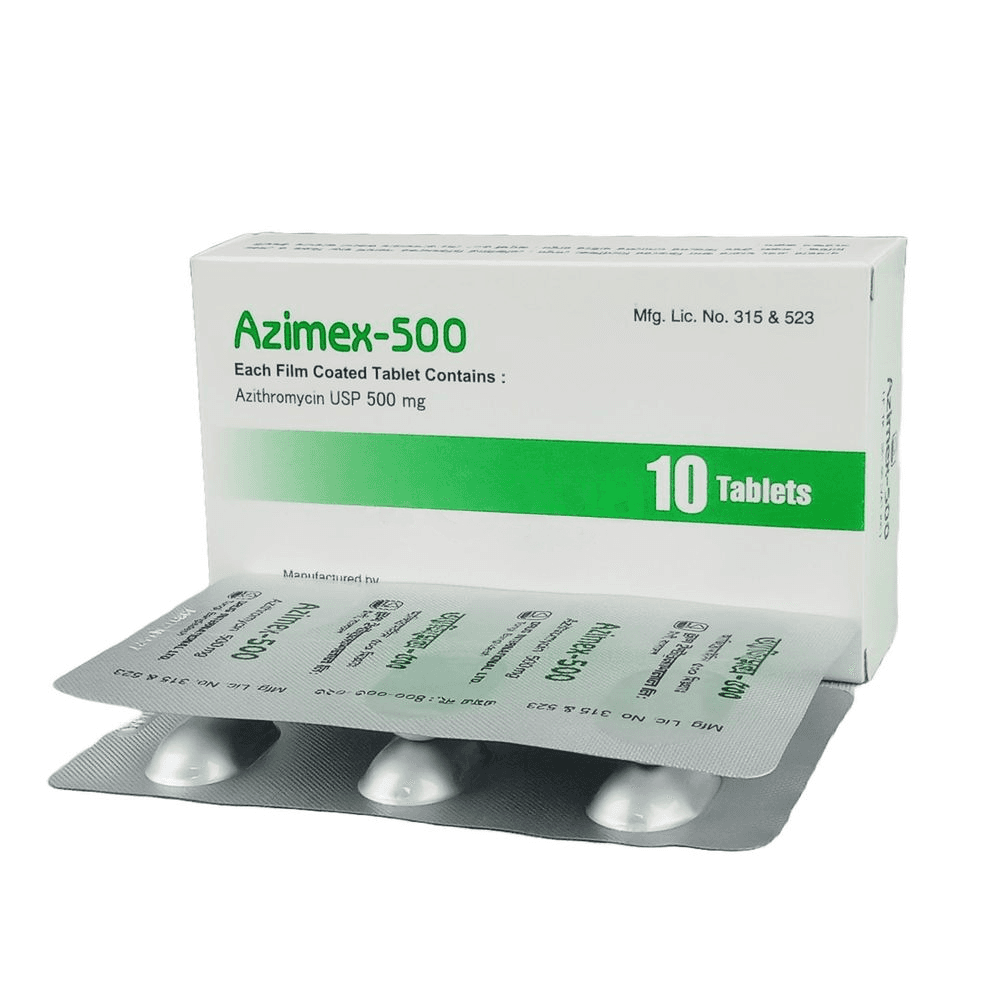
Azimex is indicated for infections (caused by susceptible organisms) in lower respiratory tract infections including bronchitis and pneumonia, in upper respiraory tract infections including sinusitis and
pharyngitis/tonsillitis, in otitis media, and in skin and soft tissue infections. In sexually transmitted diseases in men and women, Azimex is indicated in the treatment of non-gonococcal urethritis and cervicitis
due to Chlamydia trachomatis.
Pharmacology
Azithromycin is acid-stable and can thercfore be taken orally with no need of protection from gastric acids. It is readily absorbed; its absorption is greater on an empty stomach. Time to peak concentration in
adults is 2.1 to 3.2 hours for oral dosage forms. Due to the high concentration in phagocytes, azithromycin is actively transported to the site of infection. During active phagocytosis, large concentrations of
azithromycin are released. The concentration of azithromycin in the tissues can be over 50 times higher than in plasma. This is due to ion trapping and the high lipid solubility.
Azithromycin's halt-life allows a large single dose to be administered and yet maintain bacteriostatic levels in the infected tissue for severall days. Following a single 500 mg dose, plasma concentrations of
azithromycin dedlined in a polyphasic pattern with a mean apparent plasma clearance of 630 mL/min and a terminal elimination half life of 68 hours. The prolonged terminal halt-life is thought to be due to
extensive uptake and subsequent release of drug from tissues. Billary excretion of azithromycin, predominantly unchanged, is a major route of elimination. Over the course of a week, approimately 6% of the
administered dose appoars as unchanged drug in urine.
Microbiology: Azithromycin acts by binding to the 50S ribosomal subunit of susceptible microorganisms and, thus, interfering with microbial protein synthesis. Nucleie acid synthesis is not affected. Azithromycin
has been shown to be active against most isolates of the following microorganisms, both in vitro and in clinical infections:
. Aerobie and facultative gram-positive mieroorganisms: Staphylococcus aureus, Streptococcus agalactiae, Streptococcus pneumoniae, Streptococcus pyogenes
Aerobic and facultative gram-negative microorganisms: Haemophilus ducreyi, Haemophilus influenzae, Moraxella catarrhalis, Neisserla gonorrhocan
.
. Other microorganisms: Chlamydia pneumoniae, Chlamydia trachomatis, Mycoplasma pneumoniae, Betalactamase production should have no effect on azithromycin activity.
. Aerobie and facultative gram-positive microorganisms: Streptoconci (Groups C,F,G]. Viridans group streptococci
Aerobie and facultative gram-negative microorganisms: Bordetella pertussis, Legionella pneumophila
. Anaerobie microorganisms: Peptostreptococcus spocies, Prevotella bivia
Dosage
Oral
Adult: 500 mg once daily orally for 3 days or 500 mg once on day 1, then 250 mg once on days 2-5 for 4 days. For sexually transmitted diseases caused by Chlamydia trachomatis in adults, the dose is 1gm given
as a single dose or 500 mg once on day 1, followed by 250 mg once daily for next 2 days may also be given.
Children:
. 10 mg/kg body weight once daily for 3 days for child over & months
. 200 mg (1 teaspoonful) for 3 days if body woight is 15-25 kg
. 300 mg (T teaspoonfuls) for 3 days if body woight is 26-35 kg: 400 mg (2 teaspoonfuls) for 3 days if body weight is 36-45 kg.
. In typhold fever, 500 mg (2, teaspoontuls) once daily for 7-10 days is given.
Azithromycin Injection (For IV Infusion only): The recommended dose of Azithromycin for injection for the treatment of adult patients with community-acquired pneumonia due to the indicated organisms is:
500 mg as a single daily dose by the intravenous route for at least two days. Intravenous therapy should be followed by Azithromycin by the oral route at a single, daily dose of 500 mg, administered as two
250-mg tablets to complete a 7 to 10-day course of therapy. The timing of the switch to oral therapy should be done at the discretion of the physician and in accordance with clinical response.
The recommended dose of Azithromycin for the treatment of adult patients with pelvic inflammatory disease due to the indicaed organisms is: 500 mg as a single daily dose by the intravenous route for
one or two days. Intravenous therapy should be followed by Azithromycin by the oral route at a single, daily dose of 250 mg to complete a 7-day course of therapy. The timing of the switch to oral therapy
should be done at the discretion of the physician and in accordance with clinical response. If anaerobie microorganisms are suspected of contributing to the infection, an antimicrobial agent with anacroble
activity should be administered in combination with Azithromycin.
Safety and effectiveness of azithromycin for injection in children or adolescents under 16 years have not been established.
Administration
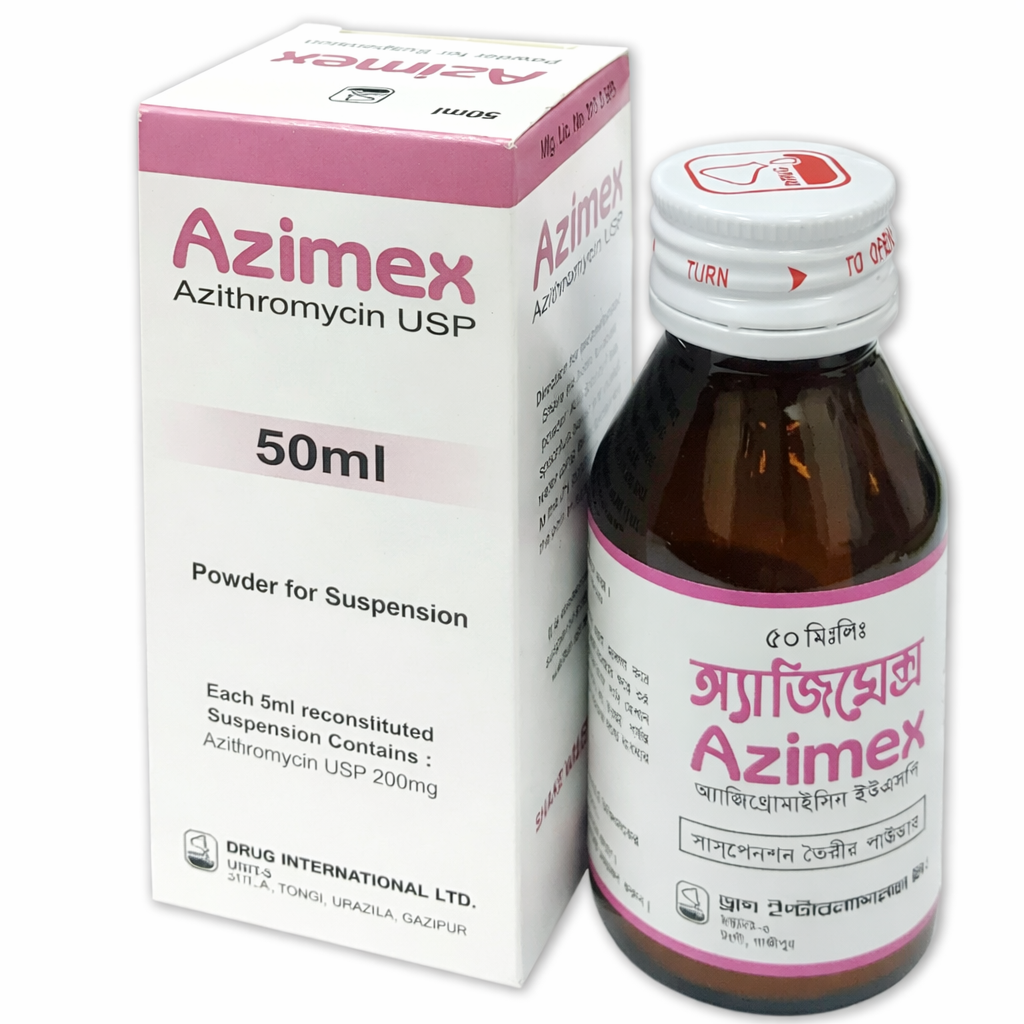
Reconstitution procedure of suspension-
Step 01: Shake the bottle well to loosen the powder.
Step 02: Add bolled and cooled water up to the water mark of the bottle label.
Step 03: Shake until powder is completely mixed with water.
Azithromycin should be taken at least 1 hour before or 2 hours after meal.
Interaction
Antacid: In patients receiving azithromycin and antacids, azithromycin should be taken at least 1 hour before or 2 hours after the antacid. Carbamazepine: In a pharmacokinetic interaction study in healthy
wolunteers, no significant effect was observed on the plasma levels of carbamazepine or its active metabolite.
Cyclosporin: Some of the related macrolide antibioties interfere with the metabolism of cyclosporin. In the absence of condlusive data from pharmacokinetie studies or elinical data investigating potential
interactions betweon azithromycin and cyclosporine, caution should be exercised before co-administration of these two drugs. If coadministrations is necessary, cyclosporin levels should be monitored and the
dose adjusted accordingly.
Digoxin: Some of the macrolide antibioties have been reported to impair the metabolism of digaxin (in the gut) in some patients. Therefore, in patients recelving concomitant azithromycin and digoxin the
possibility of raised digoxin levels should be borne in mind and digoxin levels monitored.
Ergot derivatives: Because of the theoretical possibility of ergotism, azithromycin and ergot derivatives should not be co-administered.
Methylprednisolone: In a pharmacokinetic interaction study in healthy volunteers, azithromycin had no significant effect on the pharmacokinetics of methylprednisolone.
Theophylline: There is no evidence of any pharmacokinetic interaction when azithromycin and theophylline are co-administered to healthy volunteers. In general, however, theophylline levels should be
monitored.
Warfarin: In a pharmacodynamic interaction study, azithromycin did not alter the anticoagulant effect of a single 15 mg dose of warfarin administered to healthy volunteers. Azimex and warfarin may be co-
administered, but monitoring of the prothrombin time should be continued as routinely performed.
Terfenadine: Azimex did not affect the pharmacokinetics of terfenadine administered at the recommended dose of 60 mg every 12 hours. Addition of azithromycin did not result in any significant changes in
cardiac repolarisation (OTe interval) measured during the steady state dosing of terfenadine.
Contraindications
Azithromycin Dihydrate is contraindicated in patients hypersensitive to Azithromycin or any other macrolide antibiotie. Co-administration of ergot derivatives and Azithromycin is contraindicated. Azithromycin is
contraindicated in patients with hepatic diseases
Side Effects
Azimex is well tolerated with a low incidence of side-effects. Most side-effects observed were mild to moderate in severity. The majority of side-effects were gastrointestinal in origin with nauseas, abdominal
discomfort (pain/cramps), vomiting, flatulence, diarrhoea and loose stools being occasionally observed. Allergie reactions such as rash or photosensitivity have occurred and there have also been rare reports of
serious hypersensitivity reactions. Reversible clevations in liver transaminases have been seen with a frequency similar to the comparative macrolides and penicillins used in elinical trials. Rarely, cases of
cholestatic jaundice have been observed. Transient mild reductions in neutrofl counts have occasionally been observed in clinical trials, although a causal relationship to azithromycin has not been established.
Hearing impairment: In investigational studies where higher doses were used for prolonged periods of time, reversible hearing impairment was seen in some patients.
Pregnancy & Lactation
Pregnancy Category of Azithromycin Dihydrate is B. Animal reproduetion studies have demonstrated that Azithromycin has no evidence of harm to the fetus. There are no adequate and well controlled studies in
pregnant women. Since animal reproduction studies are not always predictive of human response, Azithromycin should be used during pregnancy only if adequate alternatives are not available. It is not known
whether Azithromycin is seoreted in breast milk. So, caution should be exercised when Azithromycin is administered to nursing women.
Precautions & Warnings
As with erythromycin and other macrolides, rare serious allergie reactions, including angioneurotie oedema and anaphylaxis, has been reported. Some of these reactions with azithromycin have resulted in
recurrent symptoms and required a long period of observation and treatment.
Use in Special Populations
Use in renal impairment: No dose adjustment is needed in patients with mild renal impairment (oreatinine clearance >40 ml/min), but there are no data regarding azithromycin in patients with more se
impairment, thus caution should be exercised in using azithromycin in these patients.
Use in hepatie impairment: As the liver is the principal route of excretion of azithromycin, it should not be used in patients with hepatie disease.
Effeets on ability to drive and use machines: There is no avidence to suggest that azithromycin may have an effect on a patient's ability to drive or operate machinery.
Overdose Effects
Thore is no data on overdosage with Azimex. Typicall symptoms of overdosage with macrolide antibioties include hearing loss, severe nausea, vomiting and diarrhooa. Bastrie lavage and general suppor
measures are indicated.
Therapeutic Class
Macrolides
Storage Conditions
Keep in a dry place away from light and heat. Keep out of the reach of children.
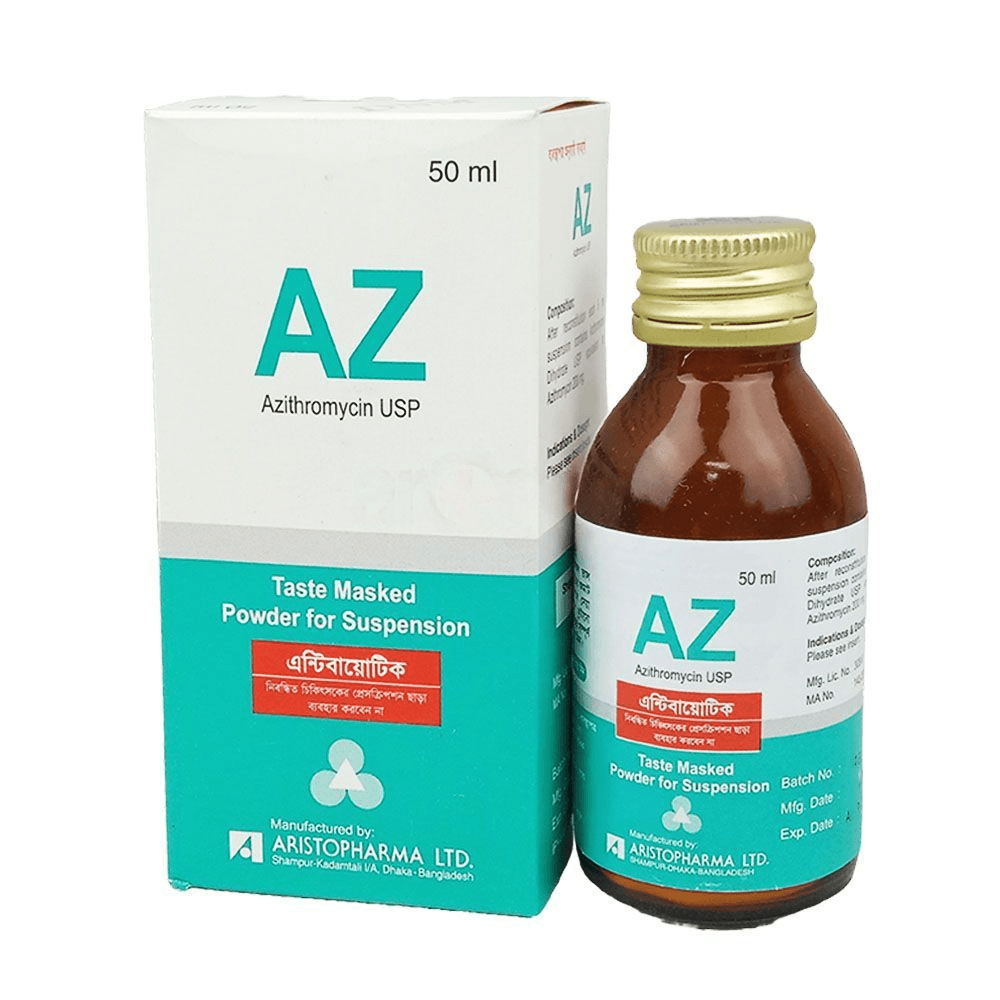
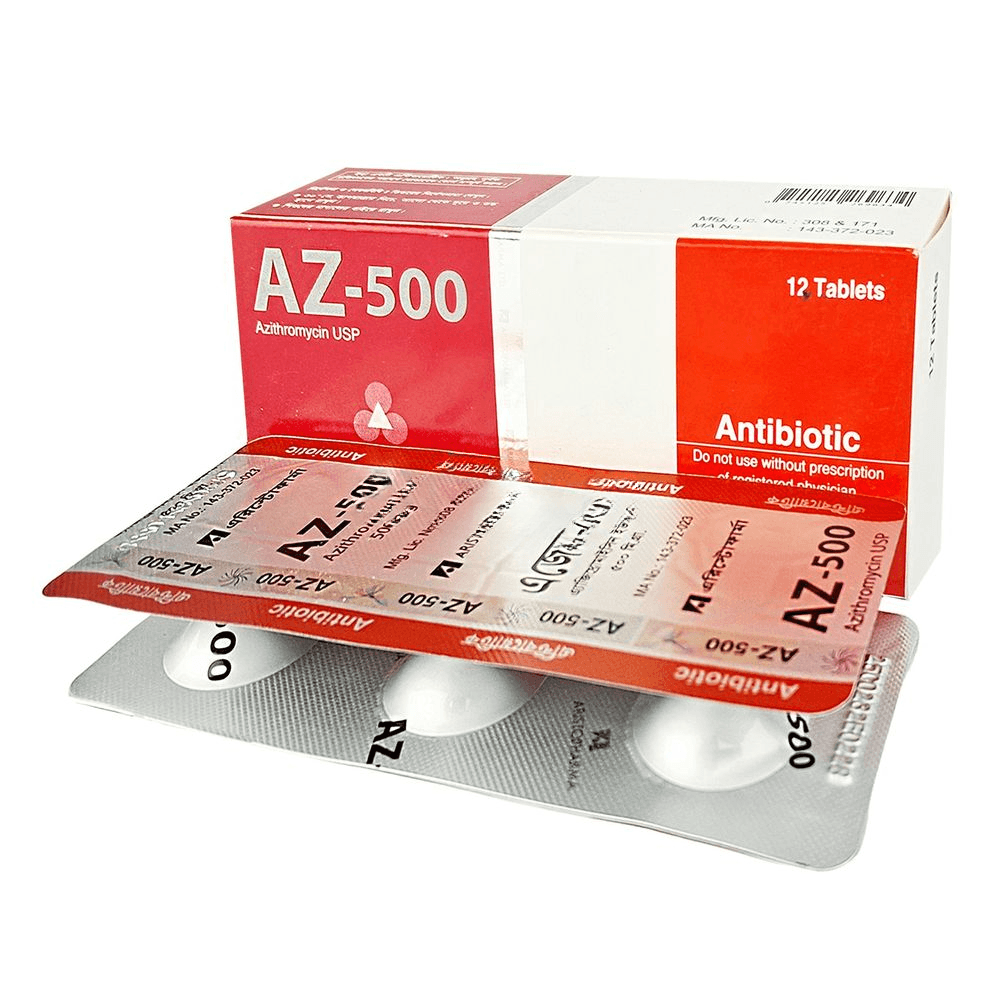
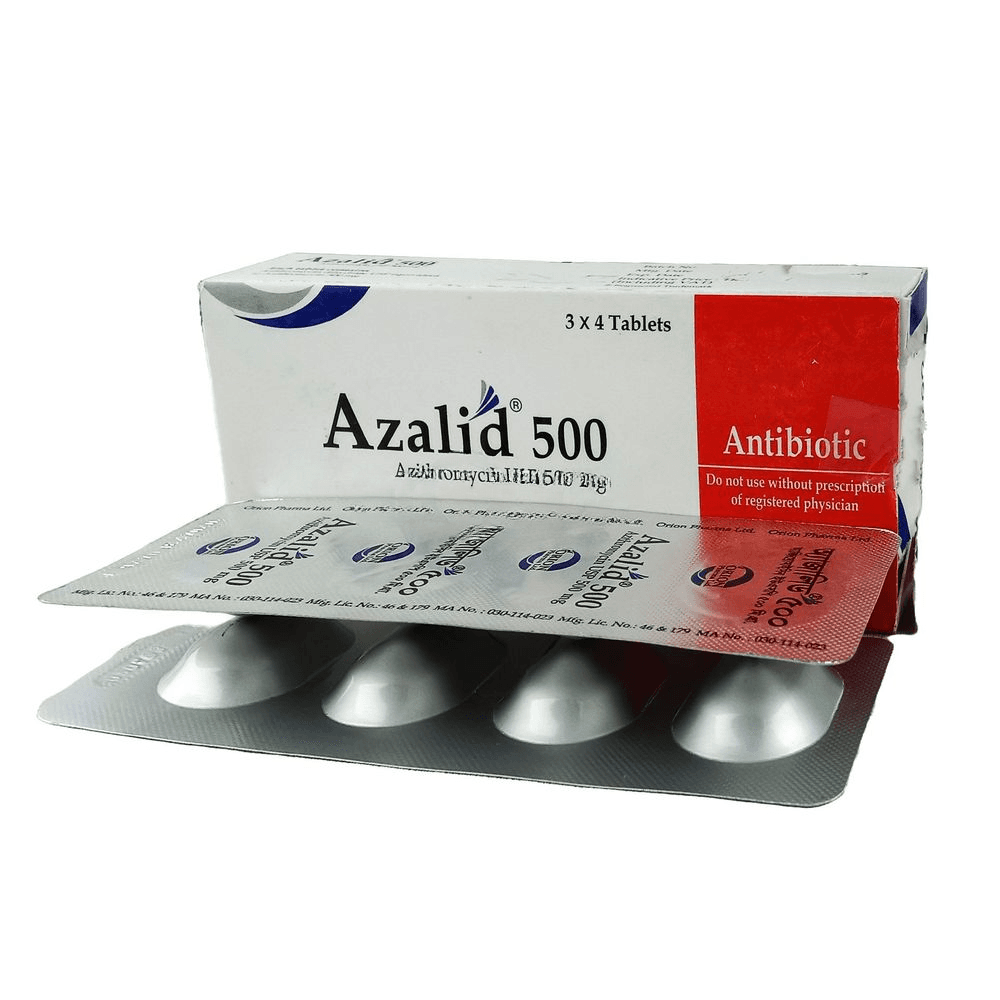
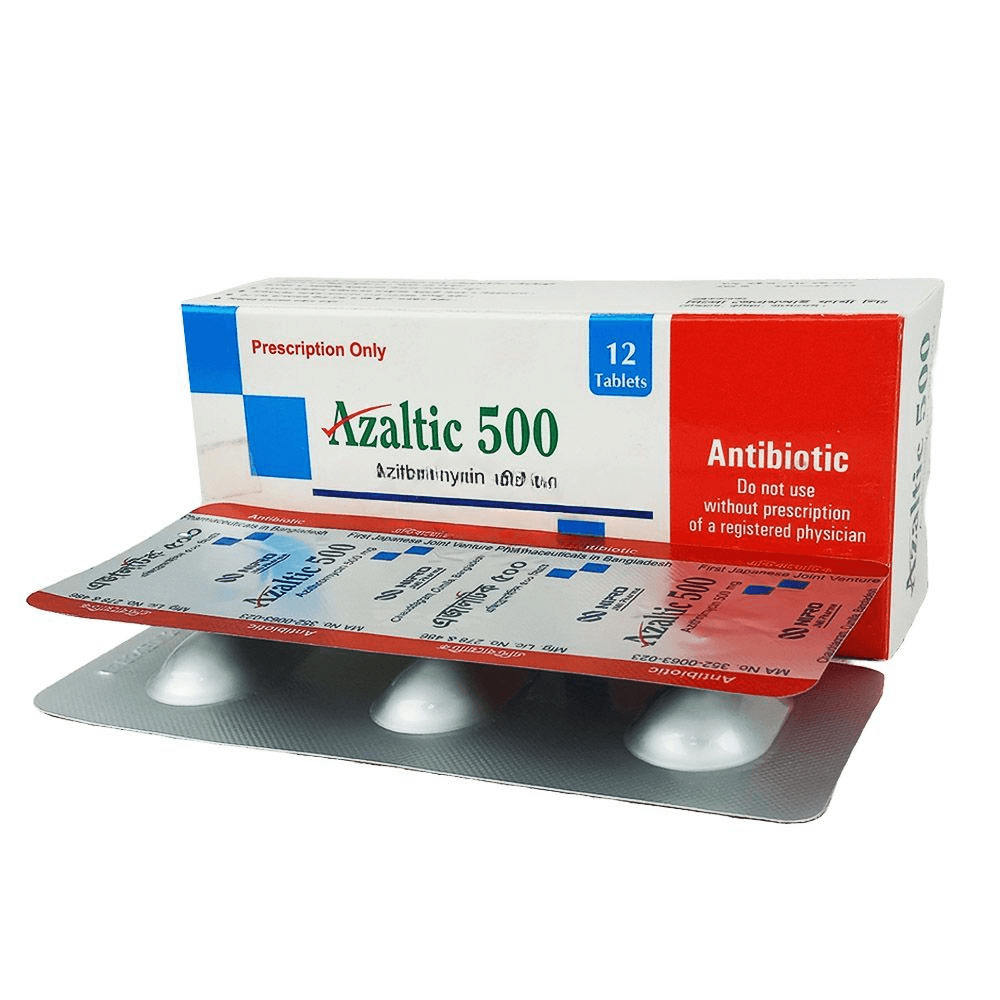
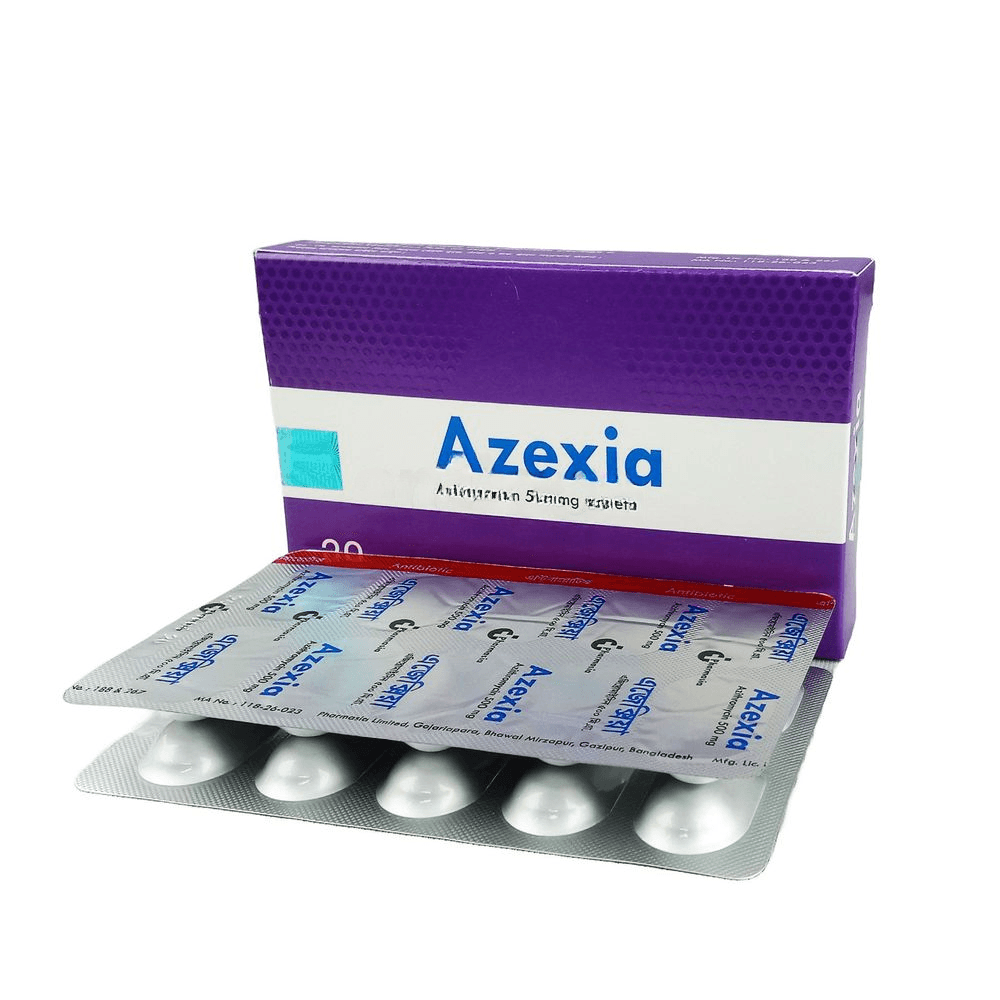
Take this medicine in the dose and duration as advised by your doctor. Swallow it as a whole. Do not chew, crush or break it. Azithromycinmay be taken with or without food, but it is better to take it at a fixed time.
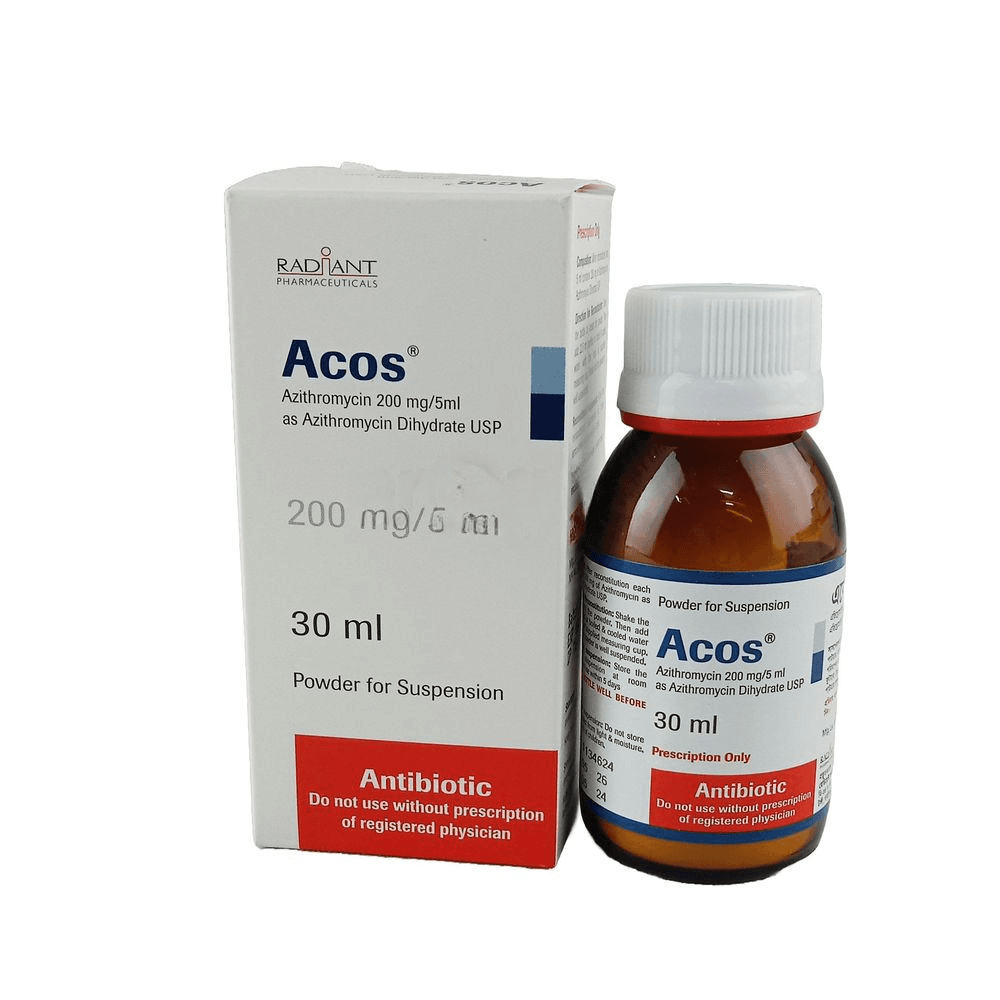
Azimex 50 ml Powder For Suspension is an antibiotic. It works by preventing synthesis of essential proteins required by bacteria to carry out vital functions. Thus, it stops the bacteria from growing, and prevents the infection from spreading.
If you miss a dose of Azimex 50 ml Powder For Suspension, take it as soon as possible. However, if it is almost time for your next dose, skip the missed dose and go back to your regular schedule. Do not double the dose.