Search products by name
Search medicines by name
0
0 item
৳ ০.০০
আপনার সব স্বাস্থ্যসেবার সমাধান — এখন এক জায়গাতেই


১০৬৫৭
info@shukhee.com
টেলিকম ভবন, ৫৩/১, বক্স নগর, ঢাকা-১২১৬
৳ ০.০০
১০৬৫৭
info@shukhee.com
টেলিকম ভবন, ৫৩/১, বক্স নগর, ঢাকা-১২১৬
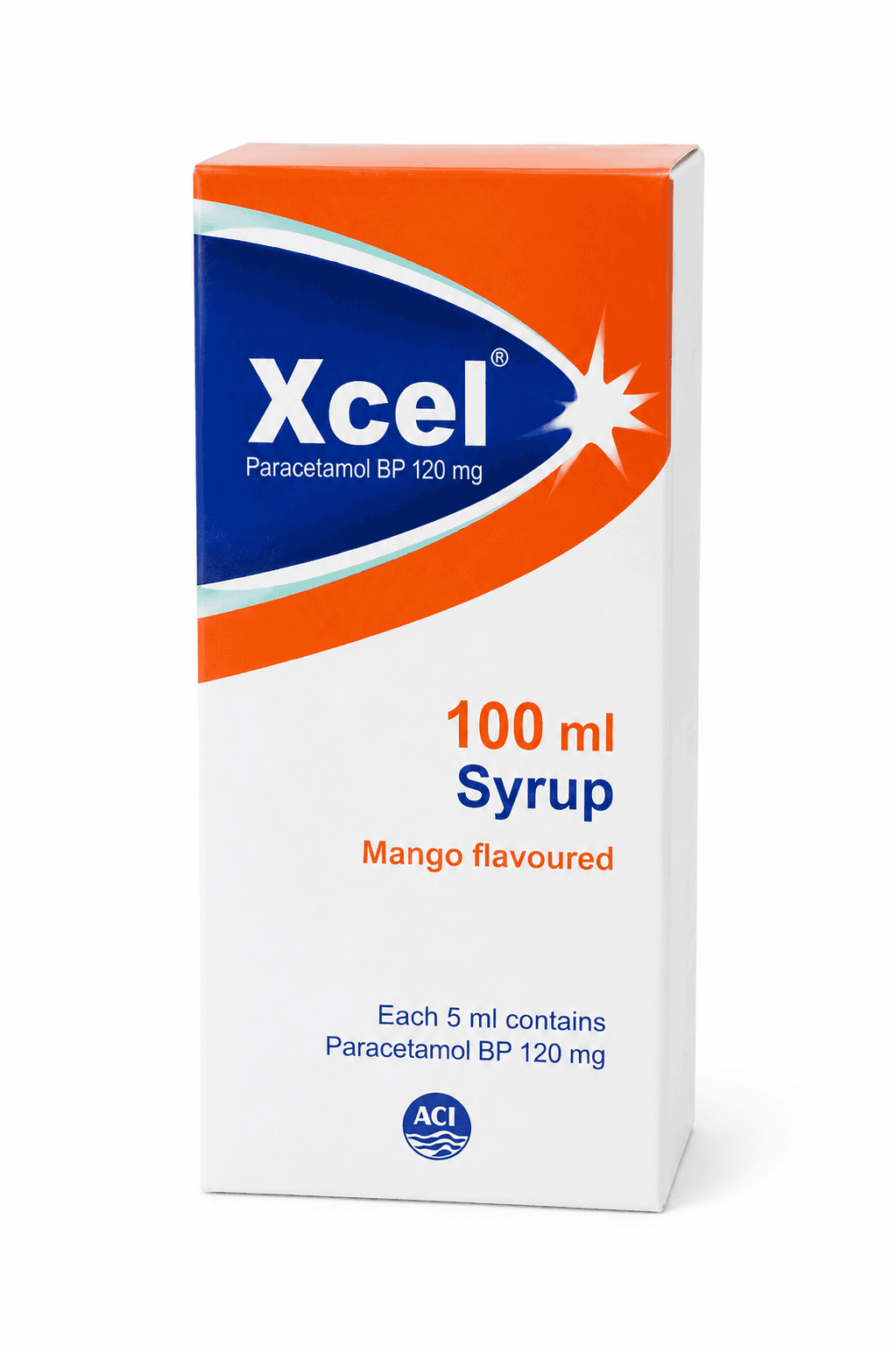
Quantity:

Products

Payment

Delivery
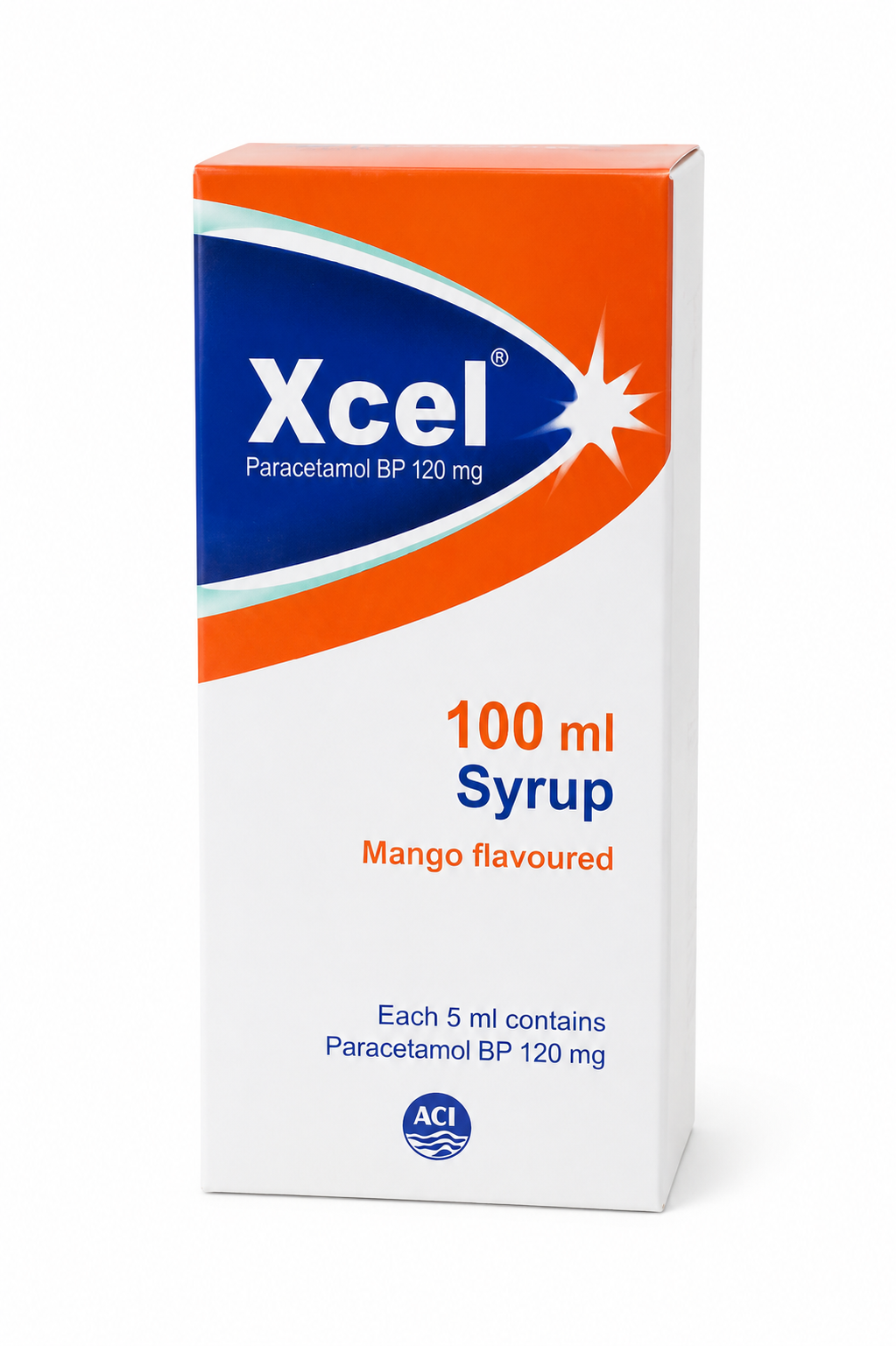
Pharmacology Paracetamol produces analgesic action by blocking pain impulse generation in the peripheral nervous system. Its antipyretic effect is due to inhibition of the hypothalamic heat‑regulating center, leading to vasodilation and sweating. It has weak anti‑inflammatory activity, mainly related to inhibition of prostaglandin synthesis in the CNS. Paracetamol acts primarily in the CNS, raising the pain threshold by inhibiting cyclooxygenase enzymes (COX‑1, COX‑2, and possibly COX‑3). Unlike NSAIDs, it does not inhibit cyclooxygenase in peripheral tissues, hence has no peripheral anti‑inflammatory effects. Its antipyretic properties are linked to direct action on the hypothalamic heat‑regulating center.
Dosage & Administration
Tablet (Adults): 1–2 tablets every 4–6 hours; maximum 4 g daily.
Children (6–12 years): ½–1 tablet 3–4 times daily; do not exceed 2.5 g/day.
Extended Release Tablet: Adults & children ≥12 years: 2 tablets every 8 hours; maximum 6 tablets/day.
Syrup/Suspension:
<3 months: 10 mg/kg (reduce to 5 mg/kg if jaundiced), 3–4 times daily.
3 months–1 year: ½–1 teaspoonful, 3–4 times daily.
1–5 years: 1–2 teaspoonfuls, 3–4 times daily.
6–12 years: 2–4 teaspoonfuls, 3–4 times daily.
Adults: 4–6 teaspoonfuls, 3–4 times daily.
Suppository:
3–12 months: 60–120 mg, 4 times daily.
1–5 years: 125–250 mg, 4 times daily.
6–12 years: 250–500 mg, 4 times daily.
Adults & ≥12 years: 0.5–1 g, 4 times daily.
Paediatric Drops:
Up to 3 months: 0.5 ml (40 mg).
4–6 months: 1.0 ml (80 mg).
7 months–2 years: 1.5 ml (120 mg).
IV Infusion:
≥50 kg: 1000 mg every 6 hours or 650 mg every 4 hours; max 4000 mg/day.
<50 kg: 15 mg/kg every 6 hours or 12.5 mg/kg every 4 hours; max 75 mg/kg/day.
Children 2–12 years: 15 mg/kg every 6 hours or 12.5 mg/kg every 4 hours; max 75 mg/kg/day.
Interaction Alcohol, barbiturates, tricyclic antidepressants, anticonvulsants, and oral contraceptives may alter metabolism or increase hepatotoxicity risk.
Contraindications Contraindicated in patients with hypersensitivity to paracetamol.
Side Effects Generally mild; rare hematological reactions (thrombocytopenia, leukopenia, pancytopenia, neutropenia, agranulocytosis). Occasional allergic reactions, rash, or pancreatitis.
Pregnancy & Lactation Safe in recommended doses during pregnancy. Excreted in breast milk in insignificant amounts; considered safe for breastfeeding.
Precautions & Warnings Use cautiously in severe renal or hepatic impairment, chronic alcoholism, malnutrition, or dehydration. Avoid exceeding recommended dose. Discontinue immediately if allergic reactions occur.
Use in Special Populations
Paediatric: Safe and effective for fever/pain in children ≥2 years.
Geriatric: No major differences compared to younger adults.
Hepatic impairment: Contraindicated in severe liver disease; dose reduction may be required.
Renal impairment: Longer dosing intervals and reduced total daily dose may be necessary.
Overdose Effects Overdose may cause severe liver damage. Adults ingesting ≥10 g or children ≥5 g with risk factors (enzyme‑inducing drugs, alcohol use, malnutrition) are at high risk of hepatotoxicity.
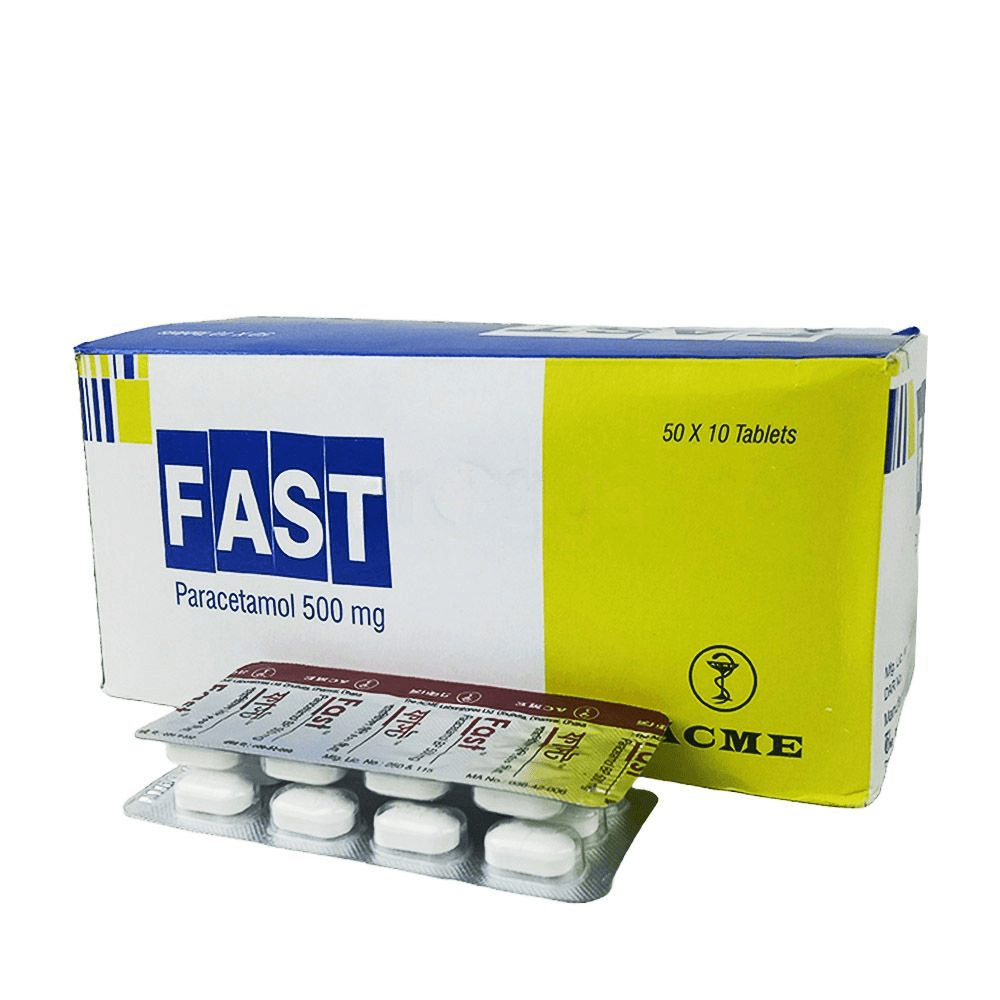
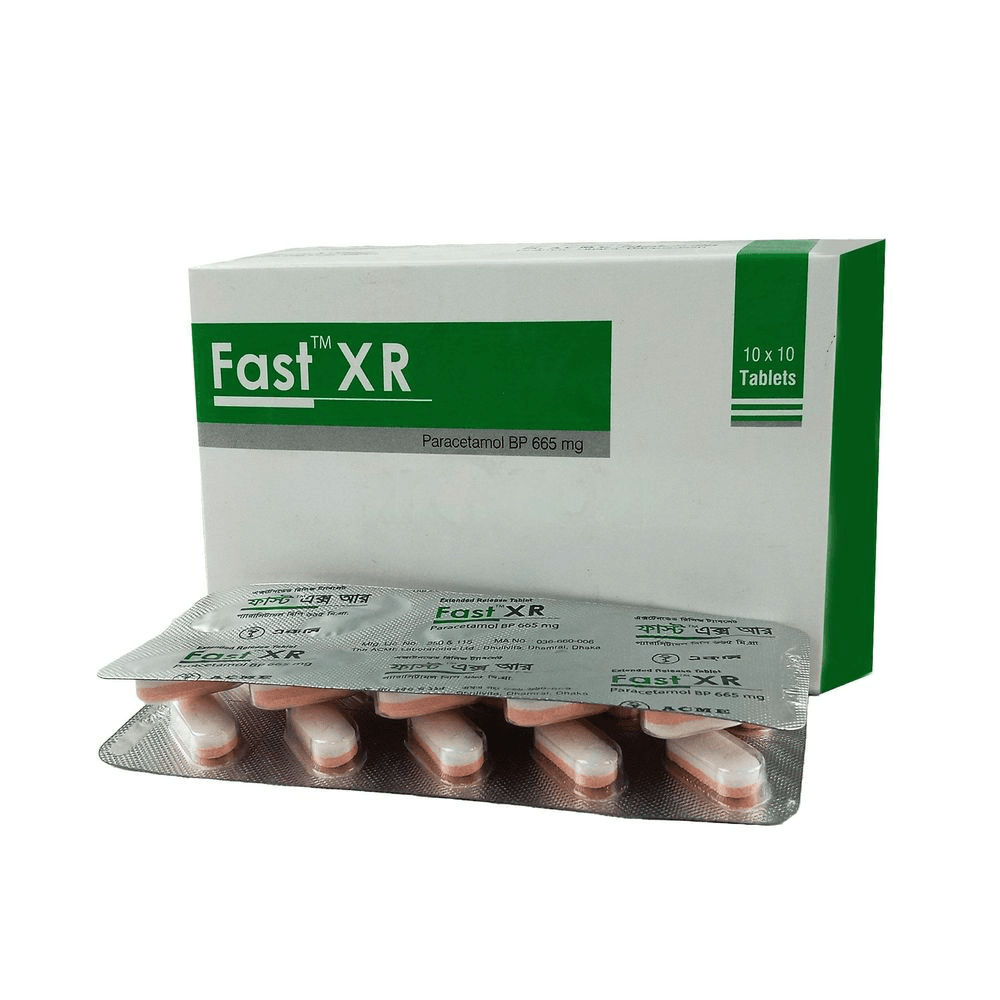
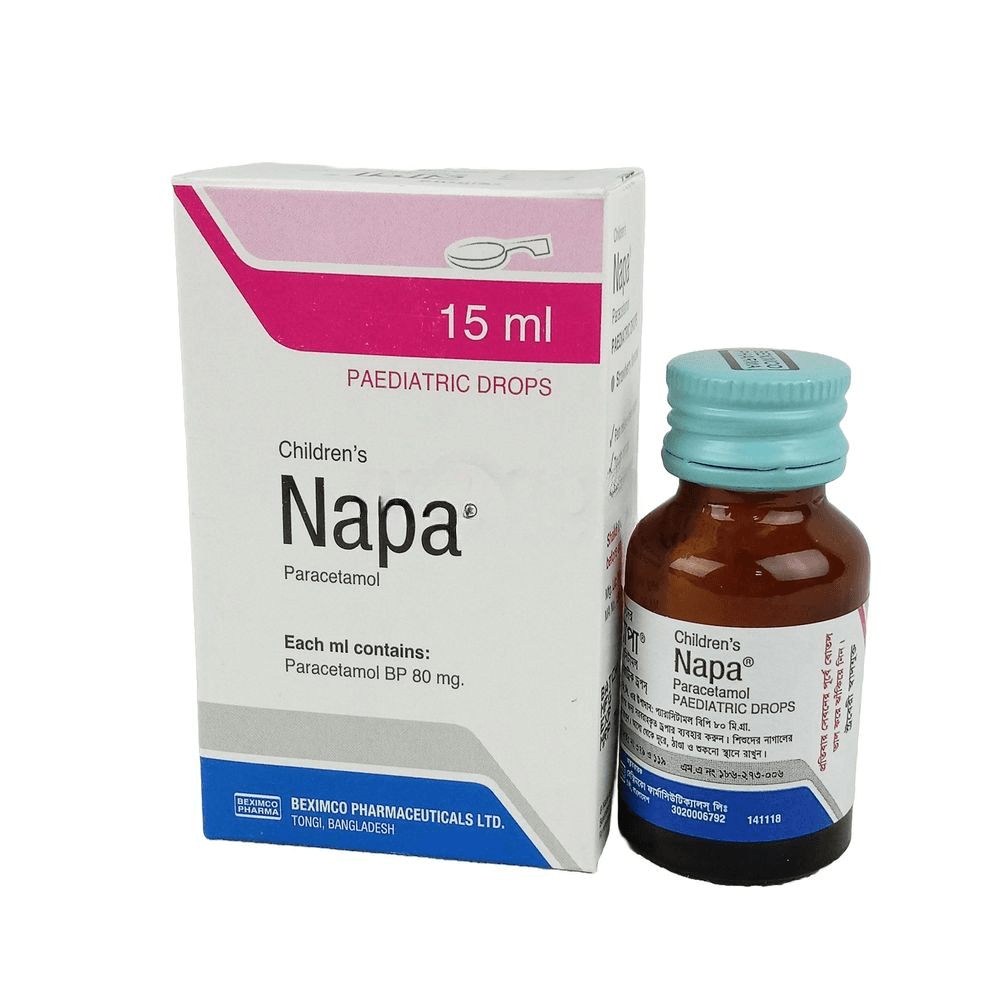
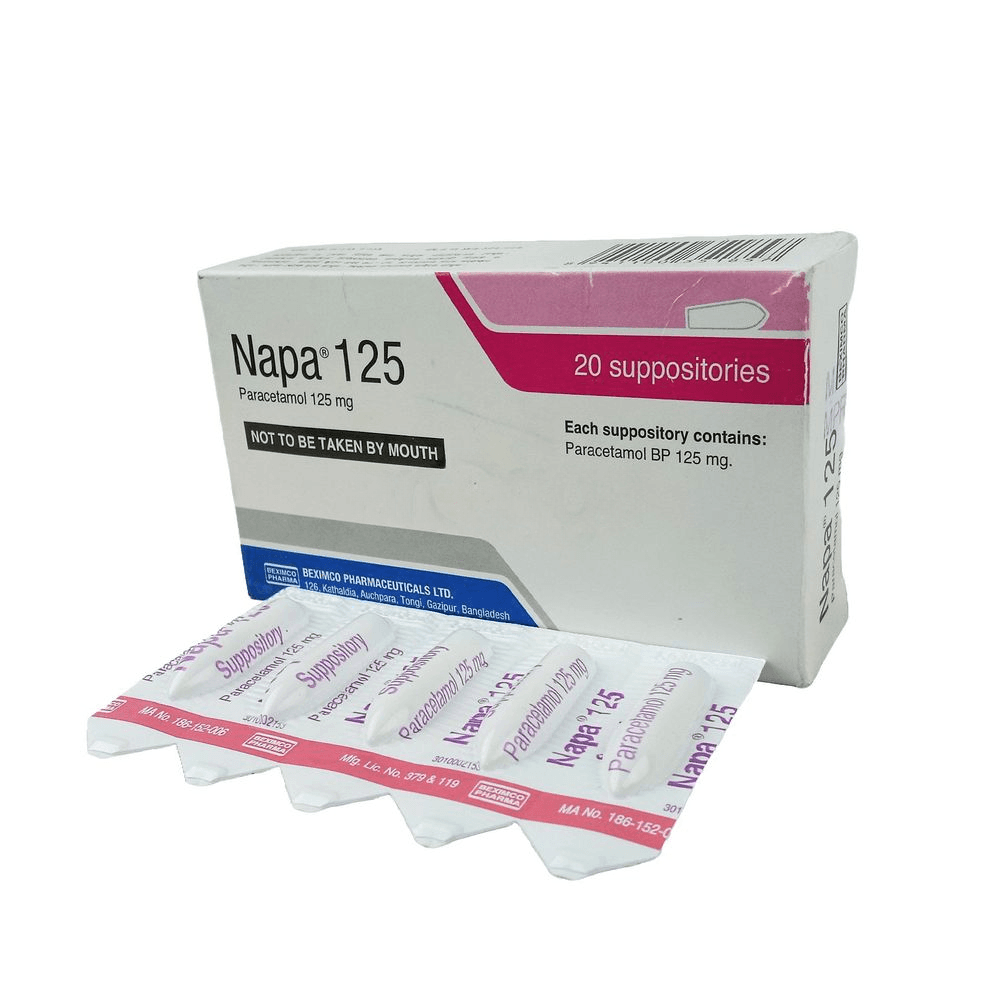
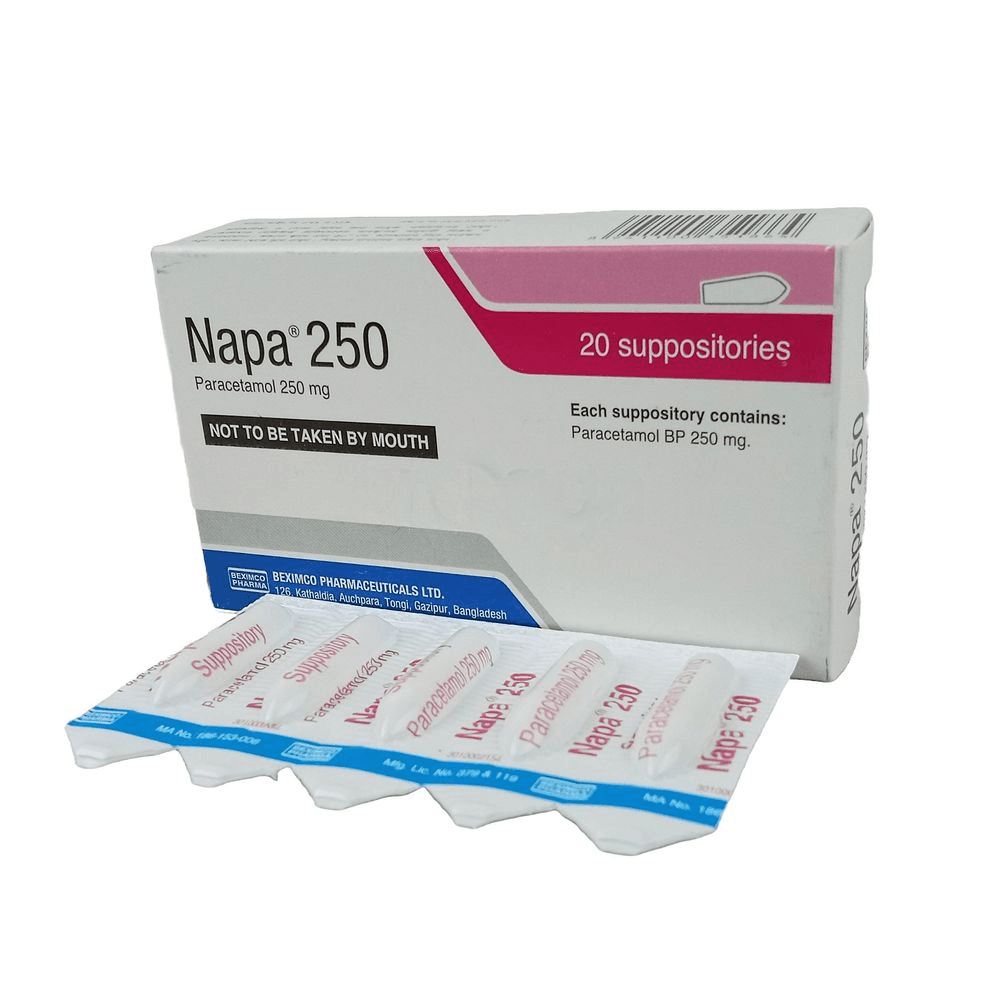
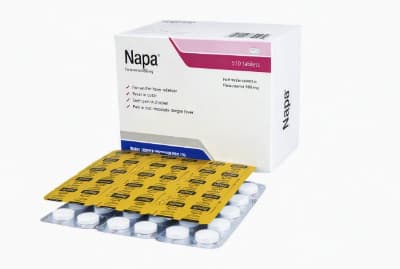
Paracetamol is a widely used analgesic (pain reliever) and antipyretic (fever reducer). It is considered safe and effective when taken at recommended doses.
Uses of Paracetamol
Pain Relief
Paracetamol helps reduce pain by blocking chemical messengers in the brain that cause pain sensations.
Fever
Paracetamol lowers fever by acting on the temperature-regulating center in the brain, helping restore normal body temperature.
Side Effects of Paracetamol
How to Use Paracetamol
Take Paracetamol 500 mg medicine in the dose and duration advised by your doctor.
How Paracetamol Works
Food & Administration
Antacids
Alcohol
Liver
Monitoring