Search products by name
Search medicines by name
0
0 item
৳ ০.০০
আপনার সব স্বাস্থ্যসেবার সমাধান — এখন এক জায়গাতেই


১০৬৫৭
info@shukhee.com
টেলিকম ভবন, ৫৩/১, বক্স নগর, ঢাকা-১২১৬
৳ ০.০০
১০৬৫৭
info@shukhee.com
টেলিকম ভবন, ৫৩/১, বক্স নগর, ঢাকা-১২১৬
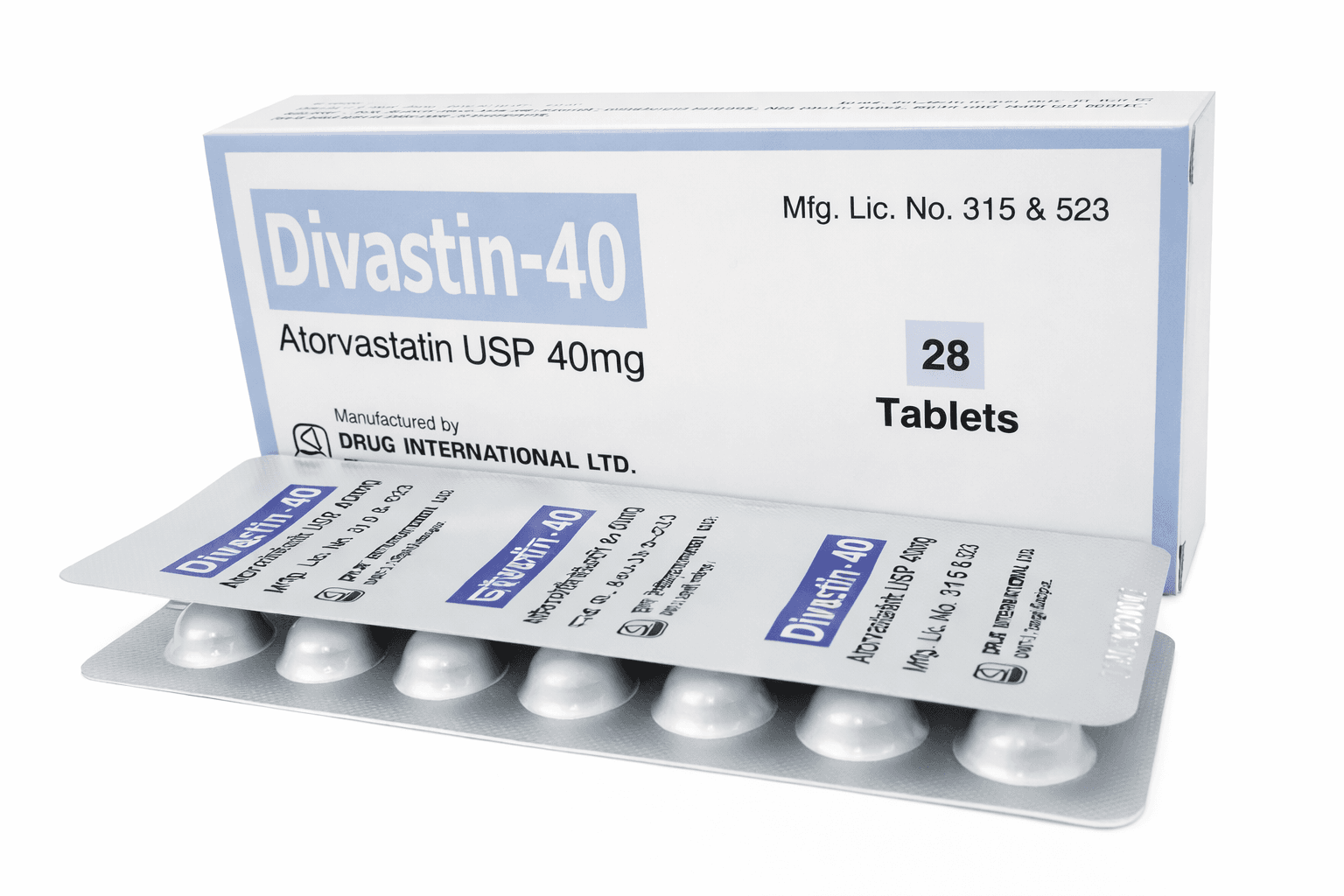

Quantity:

Products

Payment

Delivery
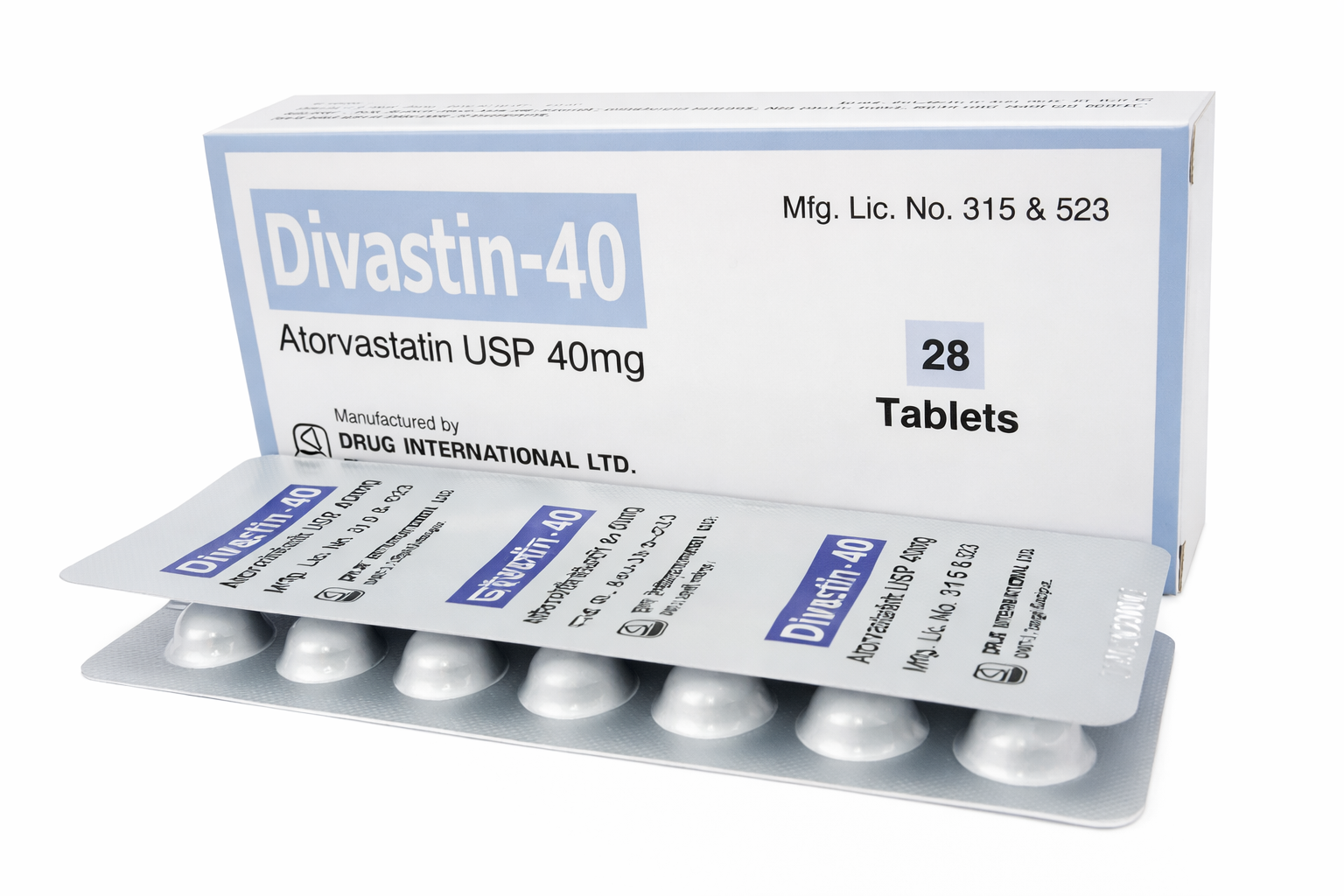
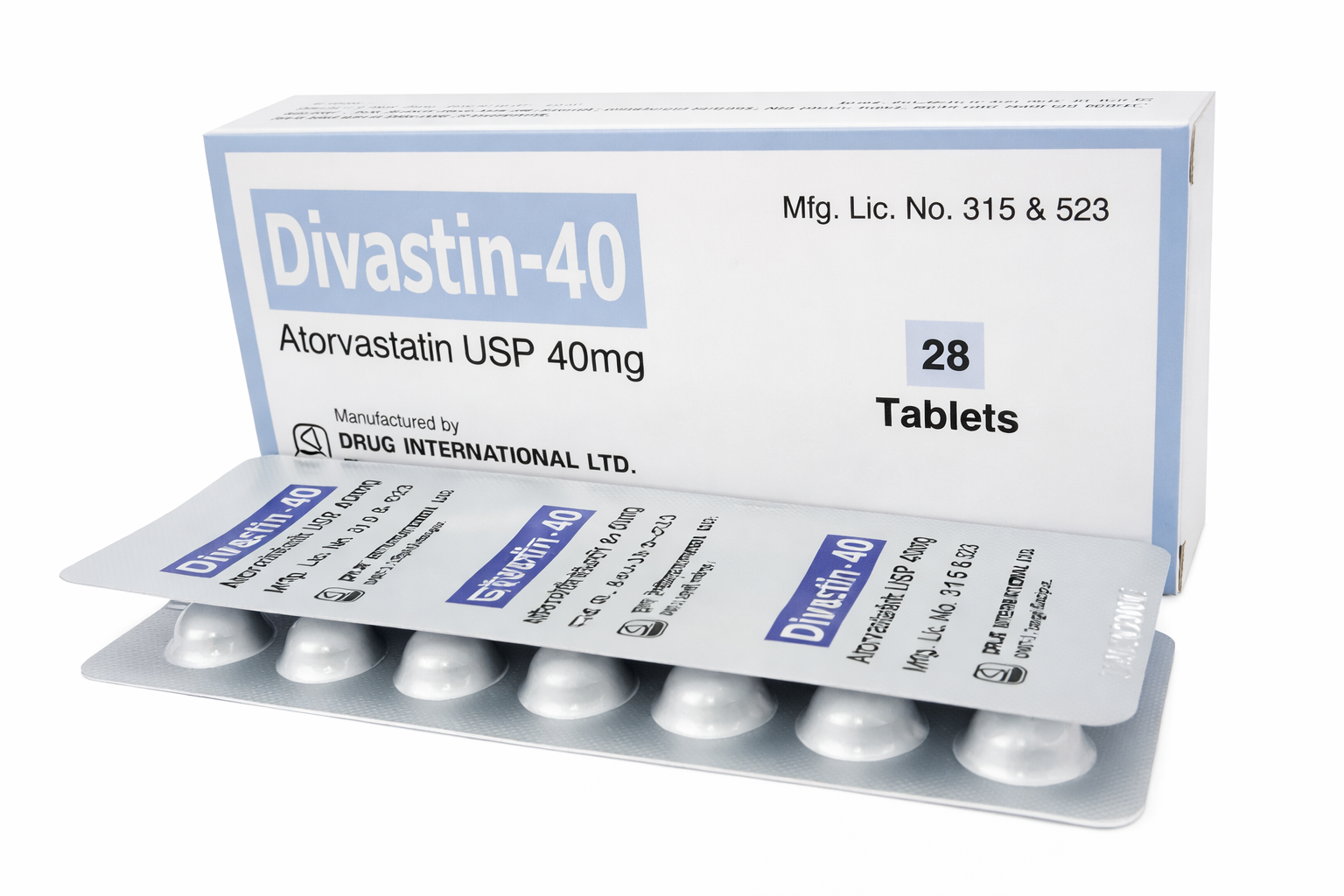
Indications Dkastin is indicated as an adjunct to diet for reducing elevated total cholesterol, LDL cholesterol, apolipoprotein B (Apo‑B), and triglycerides when response to diet and other non‑pharmacological measures is inadequate. It is used to:
Reduce cholesterol in patients with heterozygous and homozygous familial hypercholesterolemia.
Reduce elevated cholesterol and triglycerides in patients with mixed dyslipidemia (Fredrickson Type IIa and IIb).
Treat patients with elevated serum triglycerides in hypertriglyceridemia (Fredrickson Type IV).
Treat patients with dysbetalipoproteinemia (Fredrickson Type III).
Reduce cardiac ischemic events in patients with mild to moderate coronary artery disease with elevated LDL cholesterol.
Reduce cholesterol in patients with hypercholesterolemia associated with diabetes mellitus or renal transplantation.
Pharmacology Atorvastatin is a selective inhibitor of HMG‑CoA reductase, the rate‑limiting enzyme in cholesterol biosynthesis. It lowers plasma cholesterol and lipoproteins by inhibiting HMG‑CoA reductase and cholesterol synthesis in the liver, while increasing hepatic LDL receptors for enhanced uptake and catabolism of LDL.
Absorption: Rapidly absorbed after oral administration, peak plasma concentration within 1–2 hours. Bioavailability ~14% for parent drug, ~30% for inhibitory activity.
Distribution: Volume of distribution ~381 L, ~90% bound to plasma proteins.
Metabolism: Extensively metabolized to active derivatives via cytochrome P450 3A4. About 70% of inhibitory activity is due to metabolites.
Excretion: Eliminated mainly in bile; half‑life ~14 hours, inhibitory activity persists 20–30 hours. Less than 2% excreted in urine.
Dosage & Administration
Primary hypercholesterolemia and combined hyperlipidemia: Adults usually 10 mg once daily, increased if necessary at intervals of ≥4 weeks up to 80 mg daily. Children (10–17 years): initially 10 mg daily, maximum 20 mg daily.
Familial hypercholesterolemia: Adults start at 10 mg daily, titrated up to 40 mg daily, maximum 80 mg daily. Children (10–17 years): start at 10 mg daily, maximum 20 mg daily.
Prevention of cardiovascular events: Adults start at 10–20 mg daily, adjusted according to response. Patients requiring >45% LDL reduction may start at 40 mg daily.
Interactions Risk of myopathy increases with concurrent use of cyclosporine, fibrates, niacin, erythromycin, or azole antifungals. Antacids reduce plasma concentration but not LDL reduction. Colestipol reduces plasma concentration but enhances LDL reduction. Digoxin levels may increase by ~20%. Oral contraceptives may increase plasma levels of norethindrone and ethinyl estradiol. Warfarin interaction is not clinically significant.
Contraindications Contraindicated in patients with hypersensitivity to components, active liver disease, unexplained persistent elevations of serum transaminases, or history of serious adverse reactions to HMG‑CoA reductase inhibitors.
Side Effects Generally well tolerated. Common side effects include constipation, flatulence, dyspepsia, abdominal pain. Others include infection, headache, back pain, rash, asthenia, arthralgia, and myalgia.
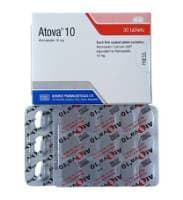
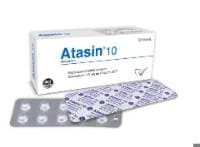
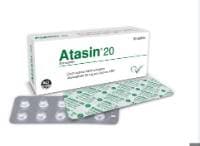
Drug Class: Statins (HMG-CoA reductase inhibitors)
Purpose:
Lowers LDL cholesterol (“bad cholesterol”)
Raises HDL cholesterol (“good cholesterol”)
Reduces triglycerides
Prevents cardiovascular events (heart attack, stroke, angina)
Dosage Forms: Tablets (10 mg, 20 mg, 40 mg, 80 mg) and oral suspension.
Common Brand Names: Lipitor, Atorvaliq.
Approval: First FDA-approved in 1996, now one of the most prescribed statins worldwide.
Indications of Atorvastatin
Atorvastatin is prescribed for:
Hypercholesterolemia: High cholesterol levels, especially elevated LDL (“bad cholesterol”).
Mixed dyslipidemia: Combination of high cholesterol and triglycerides.
Prevention of cardiovascular disease:
Reduces risk of heart attack, stroke, and angina in patients with risk factors (such as diabetes, hypertension, smoking, or family history).
Familial hypercholesterolemia: Genetic condition causing very high cholesterol.
Secondary prevention: For patients who already had a cardiovascular event (like heart attack or stroke) to prevent recurrence.