Search products by name
Search medicines by name
0
0 item
৳ ০.০০
আপনার সব স্বাস্থ্যসেবার সমাধান — এখন এক জায়গাতেই


১০৬৫৭
info@shukhee.com
টেলিকম ভবন, ৫৩/১, বক্স নগর, ঢাকা-১২১৬
৳ ০.০০
১০৬৫৭
info@shukhee.com
টেলিকম ভবন, ৫৩/১, বক্স নগর, ঢাকা-১২১৬


Quantity:

Products

Payment

Delivery
Deep vein thrombosis treatment, with or without pulmonary embolism.
Unstable angina and non‑Q‑wave myocardial infarction, administered concurrently with aspirin.
Prevention of thrombus formation in extracorporeal circulation during hemodialysis.
Prophylaxis of venous thromboembolic disease in surgical patients (orthopedic or general surgery).
Prophylaxis of venous thromboembolic disease in medical patients bedridden due to acute illness (e.g., cardiac insufficiency, respiratory failure, severe infections, rheumatic diseases).
0.2 ml pre‑filled syringe: Enoxaparin Sodium 20 mg (2000 anti‑Xa IU)
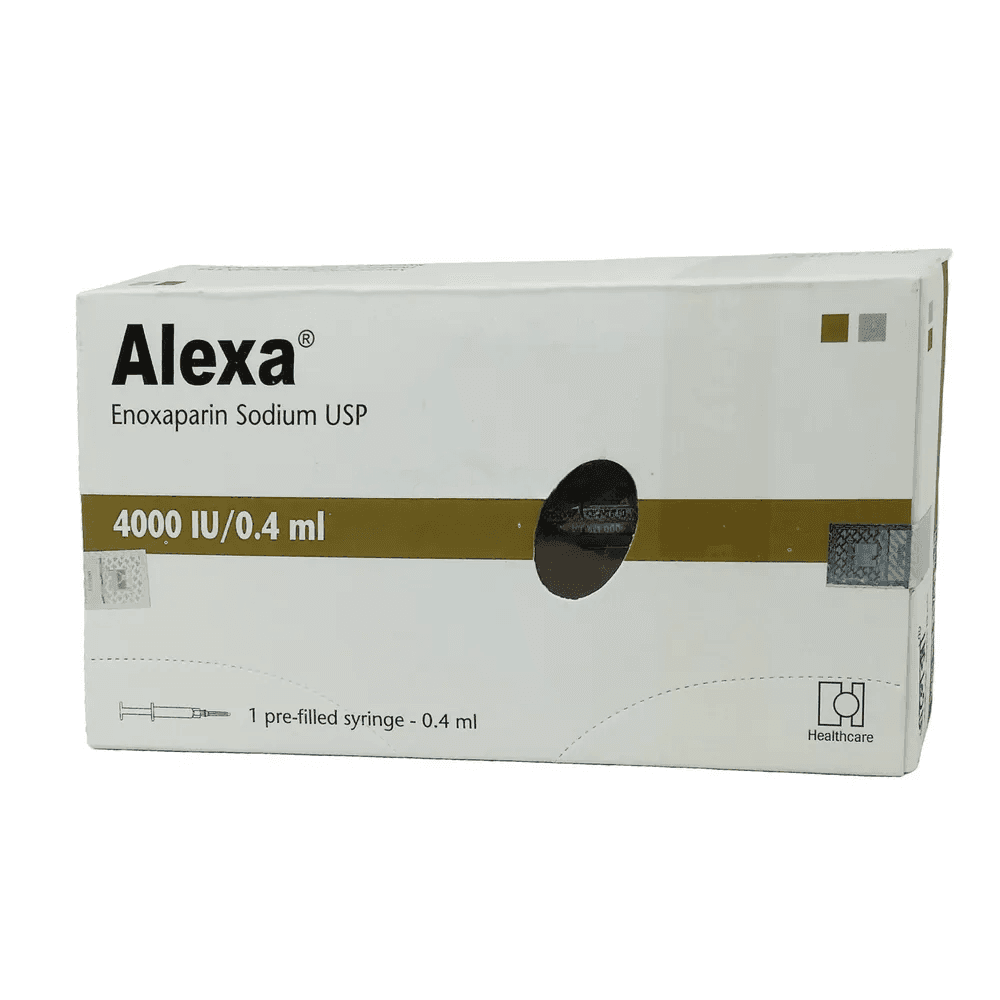
0.4 ml pre‑filled syringe: Enoxaparin Sodium 40 mg (4000 anti‑Xa IU)
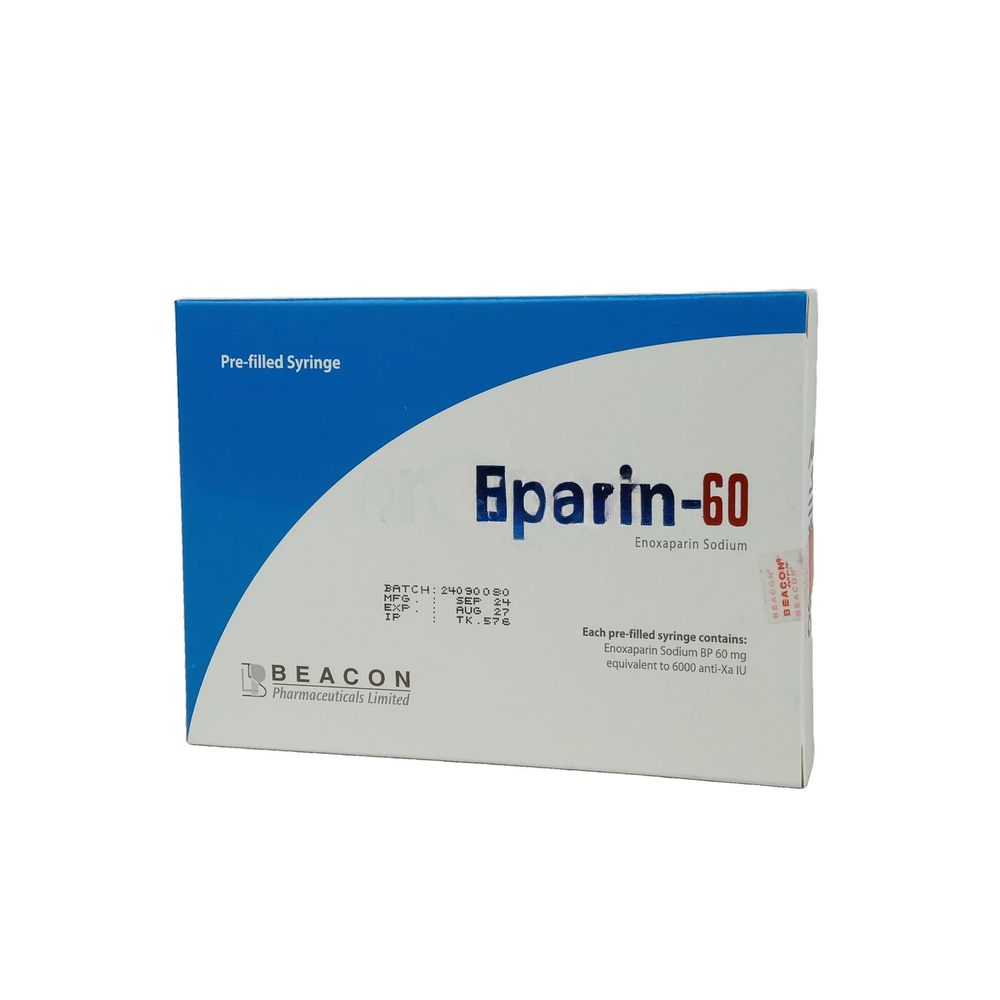
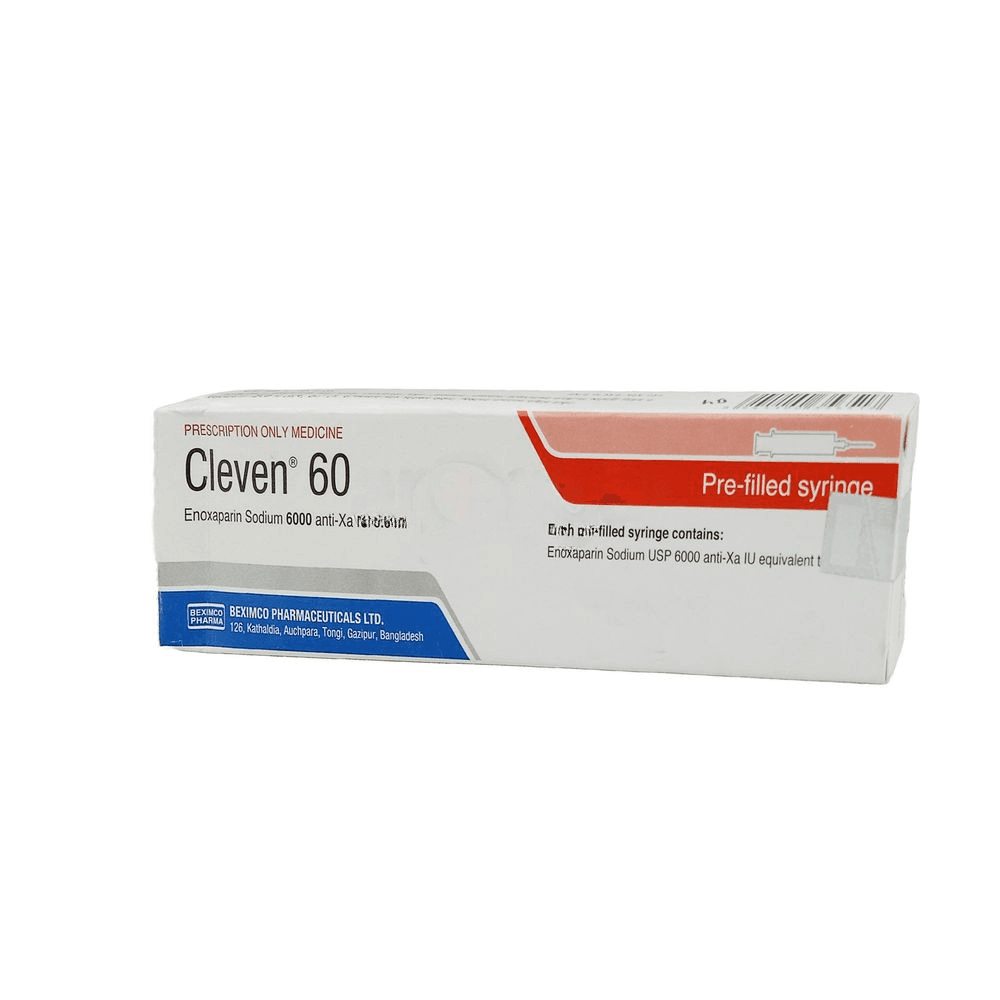
0.6 ml pre‑filled syringe: Enoxaparin Sodium 60 mg (6000 anti‑Xa IU)
1.0 ml pre‑filled syringe: Enoxaparin Sodium 100 mg (10,000 anti‑Xa IU)
Low molecular weight heparin with high anti‑Xa activity and low anti‑IIa (antithrombin) activity.
At therapeutic doses, does not prolong bleeding time significantly.
At prophylactic doses, no major effect on activated Partial Thromboplastin Time (aPTT).
Does not influence platelet aggregation or fibrinogen binding.
Primarily metabolized in the liver.
DVT treatment: 100 anti‑Xa IU/kg SC twice daily for 10 days, or 150 anti‑Xa IU/kg SC once daily for 10 days. Continue until oral anticoagulant therapy is therapeutic.
Unstable angina / non‑Q‑wave MI: 100 anti‑Xa IU/kg SC twice daily for 2–8 days, with aspirin (100–325 mg daily).
Hemodialysis: 100 anti‑Xa IU/kg into arterial line at start of session. Adjust dose for bleeding risk (50–75 IU/kg).
Surgical prophylaxis:
General surgery (moderate risk): 2000–4000 anti‑Xa IU SC once daily for 7–10 days. First dose 2 hours before surgery.
Orthopedic surgery (high risk): 4000 anti‑Xa IU SC once daily for 7–10 days. First dose 12 hours before surgery. Extended prophylaxis up to 3 weeks may be beneficial.
Medical prophylaxis: 4000 anti‑Xa IU SC once daily for 6–14 days.
Inject SC into abdominal wall, alternating left/right sides, at least 5 cm away from the navel.
Do not inject into bruised or scarred areas.
Do not rub injection site after administration.
Dispose of used syringes in a sharps container.
Increased bleeding risk with: aspirin, NSAIDs (e.g., ketorolac), ticlopidine, clopidogrel, dextran, glucocorticoids, thrombolytics, other anticoagulants, GP IIb/IIIa antagonists.
Use only with strict monitoring if combination is necessary.
Hypersensitivity to enoxaparin, heparin, or LMWHs.
Active major bleeding.
Conditions with high risk of uncontrolled hemorrhage (e.g., recent hemorrhagic stroke).
Hemorrhage, thrombocytopenia, elevated liver enzymes.
Pain, bruising, or redness at injection site.
Risk of spinal/epidural hematoma with concurrent spinal anesthesia or puncture.
Pregnancy Category C: No evidence of placental transfer, but limited controlled studies. Use only if clearly needed.
Mechanical prosthetic heart valve patients may be at higher risk of thrombosis.
Unknown if excreted in breast milk; weigh benefits of nursing vs. therapy.
Administer only by SC (prophylaxis/therapy) or IV (during dialysis). Never IM.
Use caution in patients with increased bleeding risk: impaired hemostasis, peptic ulcer history, recent ischemic stroke, uncontrolled hypertension, diabetic retinopathy, recent surgery.
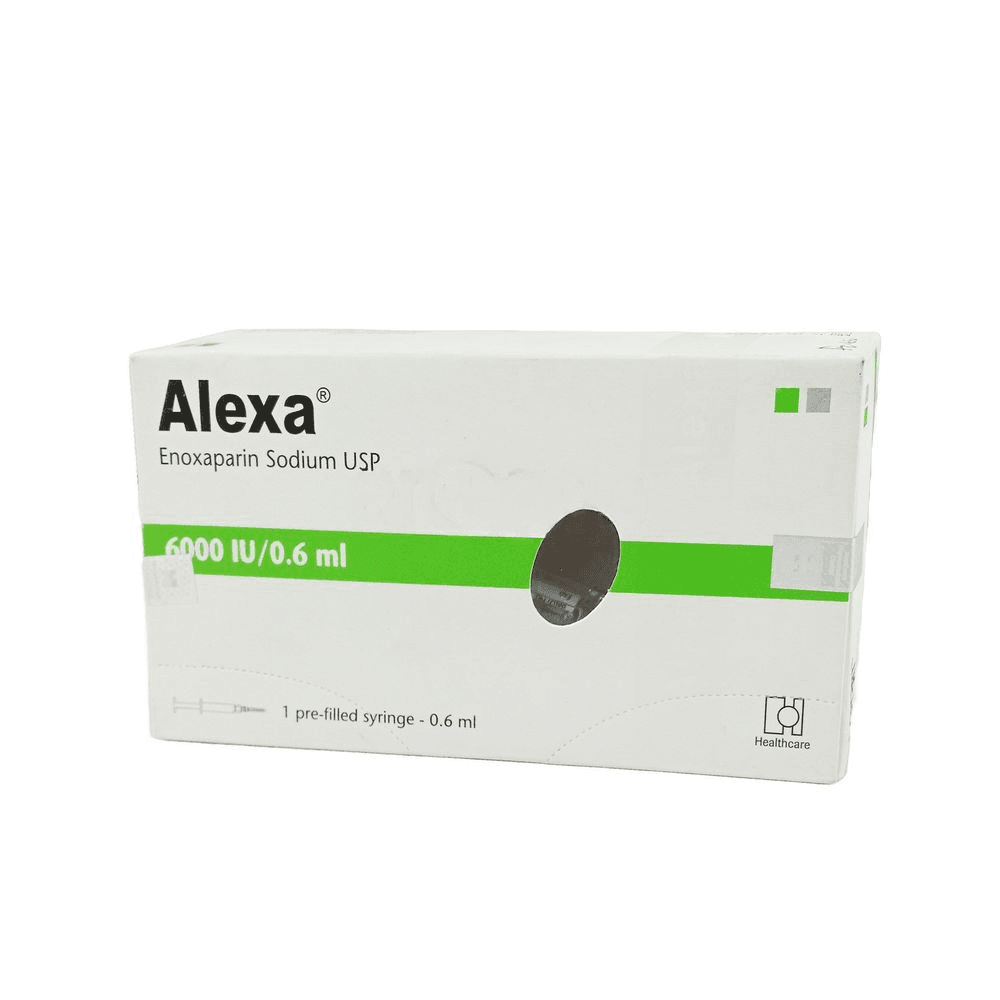
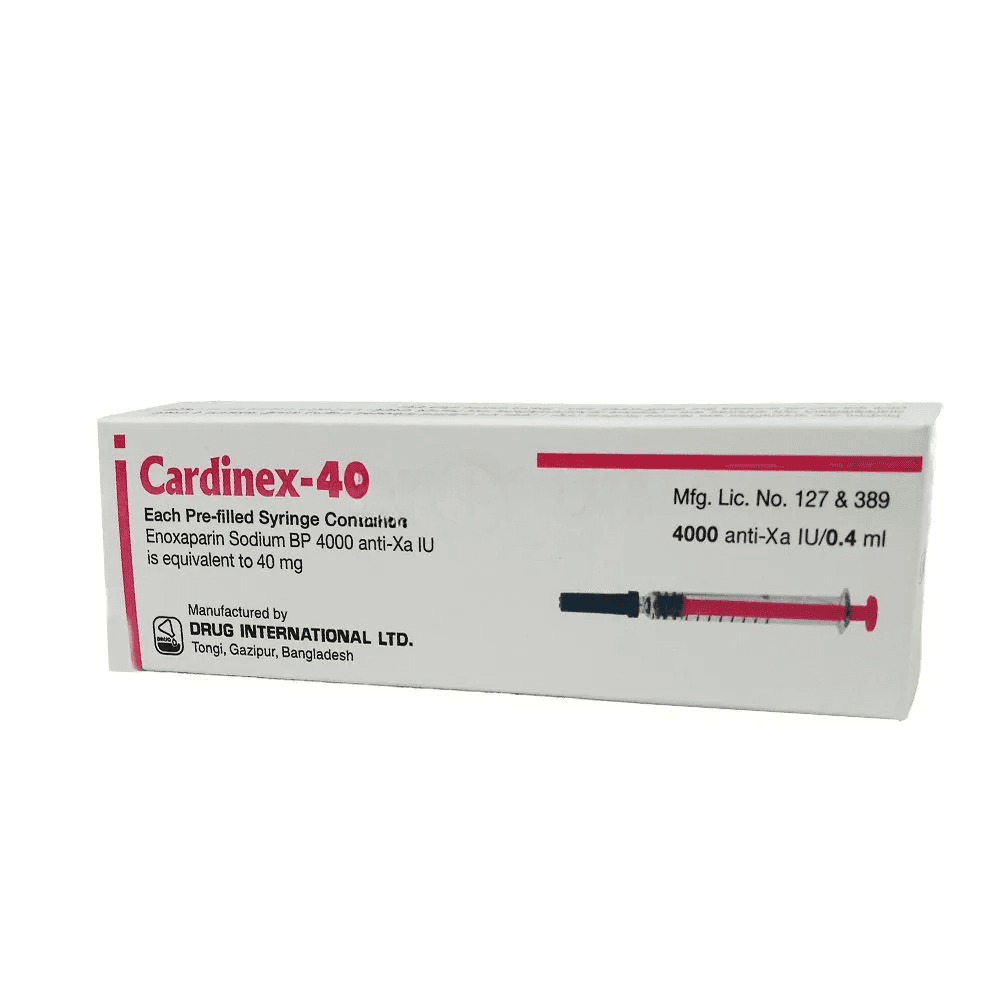
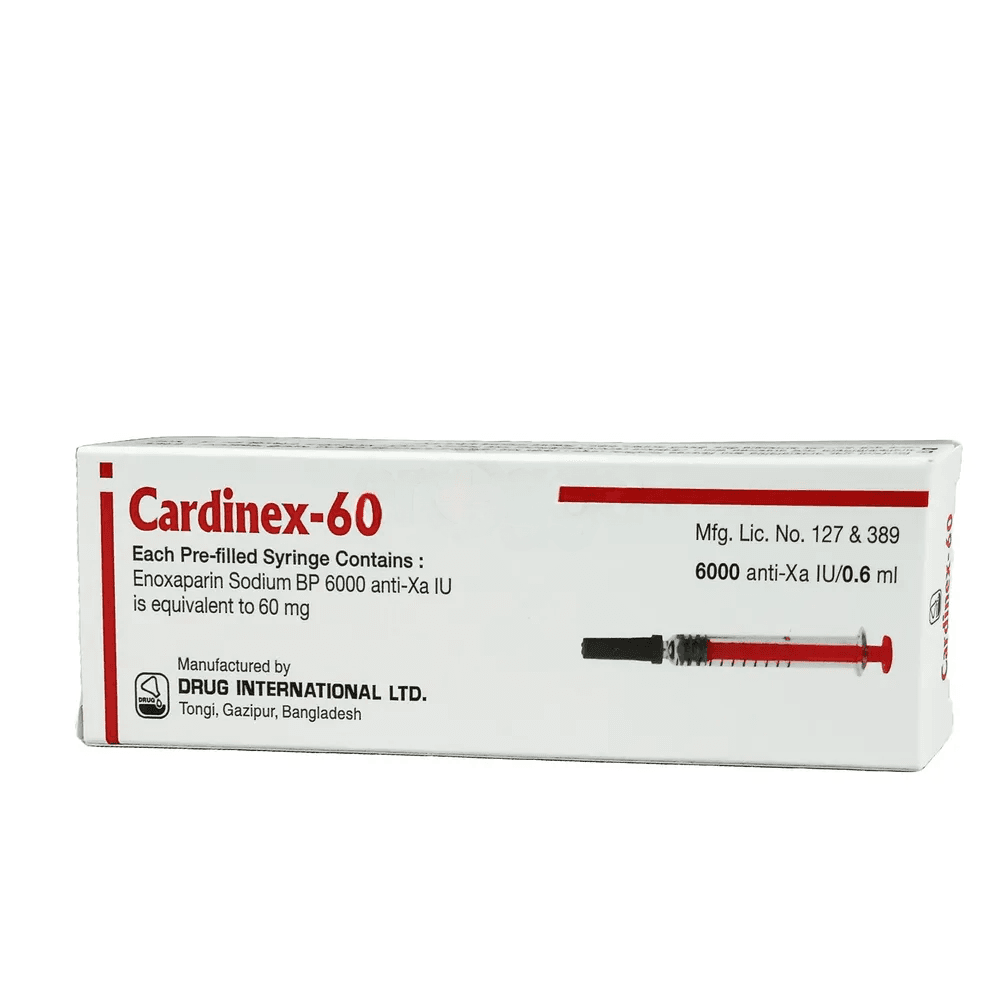
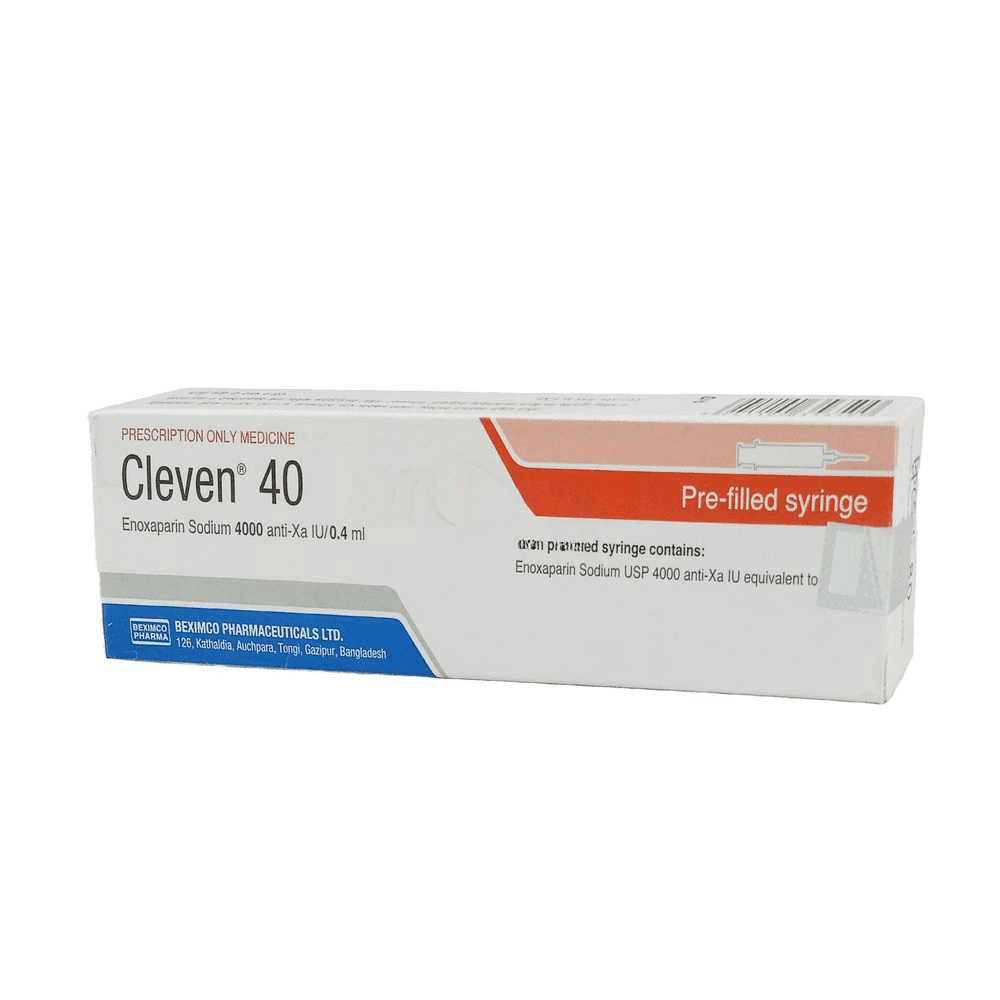
Myocardial infarction, Unstable angina, Venous thromboembolism, Deep vein thrombosis
Low body weight (<45 kg for women or <57 kg for men): Increased exposure has been observed with prophylactic (non-weight adjusted) dosage; carefully monitor for sign/symptoms of bleeding\r\n\r\nAdminister deep SC alternating right and left anterior and posterior abdominal walls into skin fold held between thumb and forefinger\r\n\r\nUse of tuberculin syringe (or equivalent) is recommended to assure appropriate measurement of dose\r\n\r\nFor IV administration, may administer in IV line with 0.9% NaCl or D5W
$4e
Renal impairment\r\nSevere (CrCl <30 mL/min): Dosage reductions required\r\nProphylaxis in abdominal surgery: 30 mg SC qDay\r\nProphylaxis in hip or knee replacement surgery: 30 mg SC qDay\r\nProphylaxis in medical patients with restricted mobility: 30 mg SC qDay\r\nDVT treatment (inpatient or outpatient) coadministered with warfarin: 1 mg/kg SC qDay\r\nNon-Q-wave myocardial infarction: 1 mg/kg SC qDay\r\nTreatment of acute STEMI (<75 years): 30 mg IV single bolus plus 1 mg/kg SC, THEN 1 mg/kg SC qDay\r\nTreatment of acute STEMI (>75 years): No initial bolus; maintenance of 1 mg/kg SC qDay
Hyper-sensitivity to either Enoxaparin, heparin or other low molecular weight heparins; major clotting disorders like history of thrombocytopenia, active gastro-intestinal ulcer or organic lesion likely to bleed, recent haemorrhagic vascular cerebral stroke. Although rare, cutaneous or systemic allergic reactions may occur.
Enoxaparin is a low molecular weight heparin w/ anticoagulant properties. It acts by enhancing the inhibition rate of activated clotting factors including thrombin and factor Xa through its action on antithrombin III.
Enoxaparin injection should not be administered by intramuscular route. Enoxaparin should be used with caution in conditions with increased potential for bleeding, such as impaired hemostasis, history of peptic ulcer, recent ischemic stroke, uncontrolled severe arterial hypertension, diabetic retinopathy, recent neuro or opthalmologic surgery and low weight patients. It is recommended that the platelet count be measured befored the initiation of the treatment and regularly thereafter during treatment.\r\n\r\nLactation: Excretion in milk unknown; not recommended
1-10%\r\nHemorrhage (1-4%),Elevation of serum aminotransferases (6%),Fever (5-8%),Local site reactions (2-5%),Thrombocytopenia (3%),Nausea (3%),Anemia (2%),Ecchymosis (3%)\r\n\r\n<1%\r\nAtrial fibrillation,Heart failure,Pulmonary edema,Pneumonia\r\n\r\nPotentially Fatal: Haemorrhagic complications.
$4f
Increased risk of bleeding w/ anticoagulants, platelet aggregation inhibitors (e.g. dipyridamole, salicylates, NSAIDs, sulfinpyrazone). May increase bleeding w/ vit E.
N/A