Search products by name
Search medicines by name
0
0 item
৳ ০.০০
আপনার সব স্বাস্থ্যসেবার সমাধান — এখন এক জায়গাতেই


১০৬৫৭
info@shukhee.com
টেলিকম ভবন, ৫৩/১, বক্স নগর, ঢাকা-১২১৬
৳ ০.০০
১০৬৫৭
info@shukhee.com
টেলিকম ভবন, ৫৩/১, বক্স নগর, ঢাকা-১২১৬


Products

Payment

Delivery
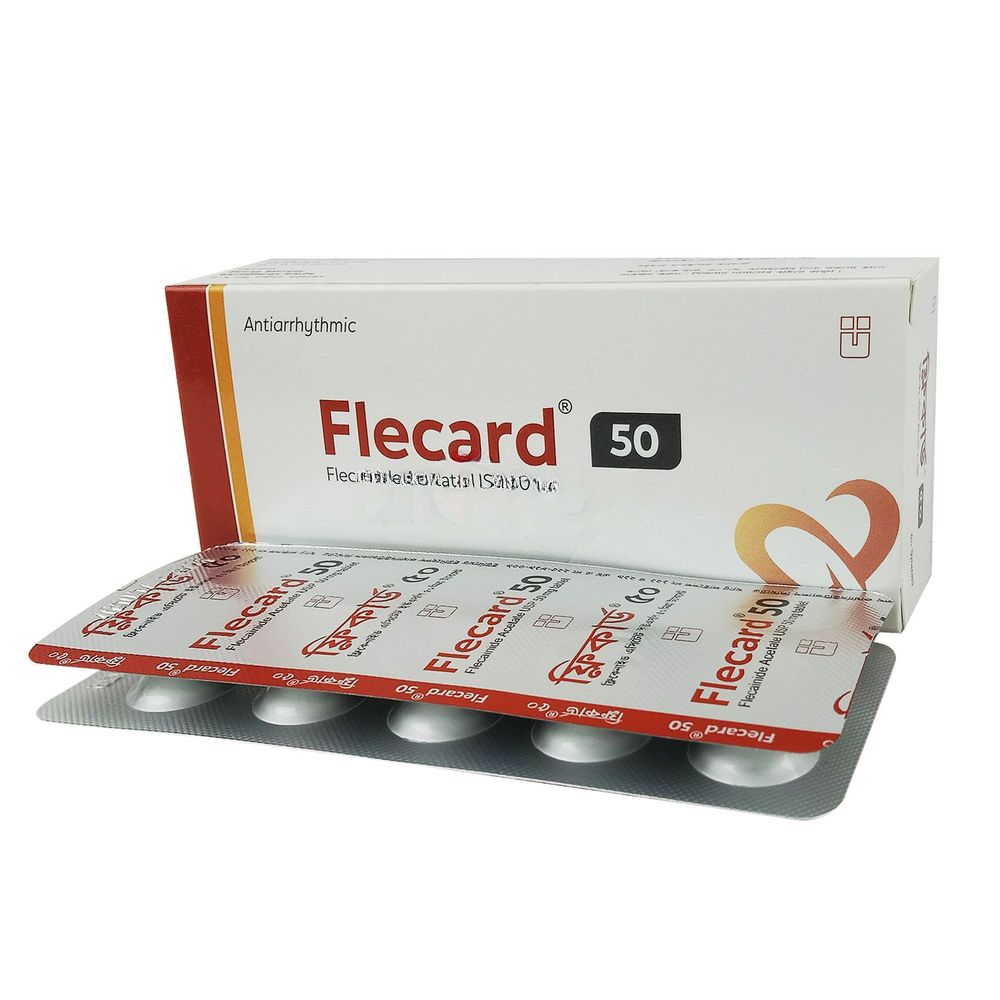
Indications Fincard tablets belong to the group of medicines called anti‑arrhythmics. They work by controlling the rate and rhythm of the heart. They are used to treat:
Arrhythmias (irregular heartbeat)
Tachycardia (heart beating too fast)
Atrial fibrillation (rapid contractions of muscles in the heart)
Prompt treatment is important to prevent serious heart problems.
Pharmacology Flecainide blocks fast cardiac sodium channels and slowly unbinds during diastole, prolonging the refractory period of the heart. It shortens the duration of action potentials through Purkinje fibers, prevents delayed rectifier potassium channels from opening, and lengthens action potentials in ventricular and atrial muscle fibers. It also blocks ryanodine receptor opening, reducing calcium release from the sarcoplasmic reticulum, which decreases cellular depolarization.
Dosage & Administration
Supraventricular arrhythmias: 50 mg twice daily; may be increased up to 300 mg/day.
Ventricular arrhythmias: 100 mg twice daily; may be increased up to 400 mg/day.
Elderly or patients with kidney/heart problems: Lower doses recommended.
Children: Not recommended under 12 years. Dairy products (milk, infant formula, yogurt) may reduce absorption in infants.
Monitoring: Regular check‑ups are required to ensure correct dosing and effectiveness.
Interactions May interact with:
Other anti‑arrhythmics (cardiac glycosides, beta‑blockers, verapamil, propranolol, amiodarone)
Antihypertensives
Antidepressants (tricyclics, fluoxetine, paroxetine, reboxetine)
Anticonvulsants (phenytoin, phenobarbital, carbamazepine)
Antipsychotics (chlorpromazine)
Antihistamines (mizolastine, terfenadine)
Quinine (malaria treatment)
HIV medicines (ritonavir, lopinavir, indinavir)
Diuretics
Cimetidine (ulcer treatment)
Bupropion (smoking cessation aid)
Contraindications Do not take if you:
Are allergic to flecainide acetate
Have heart failure, cardiogenic shock, or heart block
Have long‑standing atrial fibrillation
Have valve or conduction problems
Have sinus node dysfunction
Have had a myocardial infarction (heart attack)
Have Brugada Syndrome
Are pregnant or breastfeeding
Side Effects
Common (up to 1 in 10): Changes in heartbeat (fast, slow, pounding), chest pain, breathlessness, fever, fainting.
Rare (up to 1 in 1,000): Ringing in ears, jaundice (yellowing of skin/eyes).
Unknown frequency: Heart attack, cardiac arrest, heart failure.
Pregnancy & Lactation Not recommended during pregnancy or breastfeeding. Consult a doctor before use.
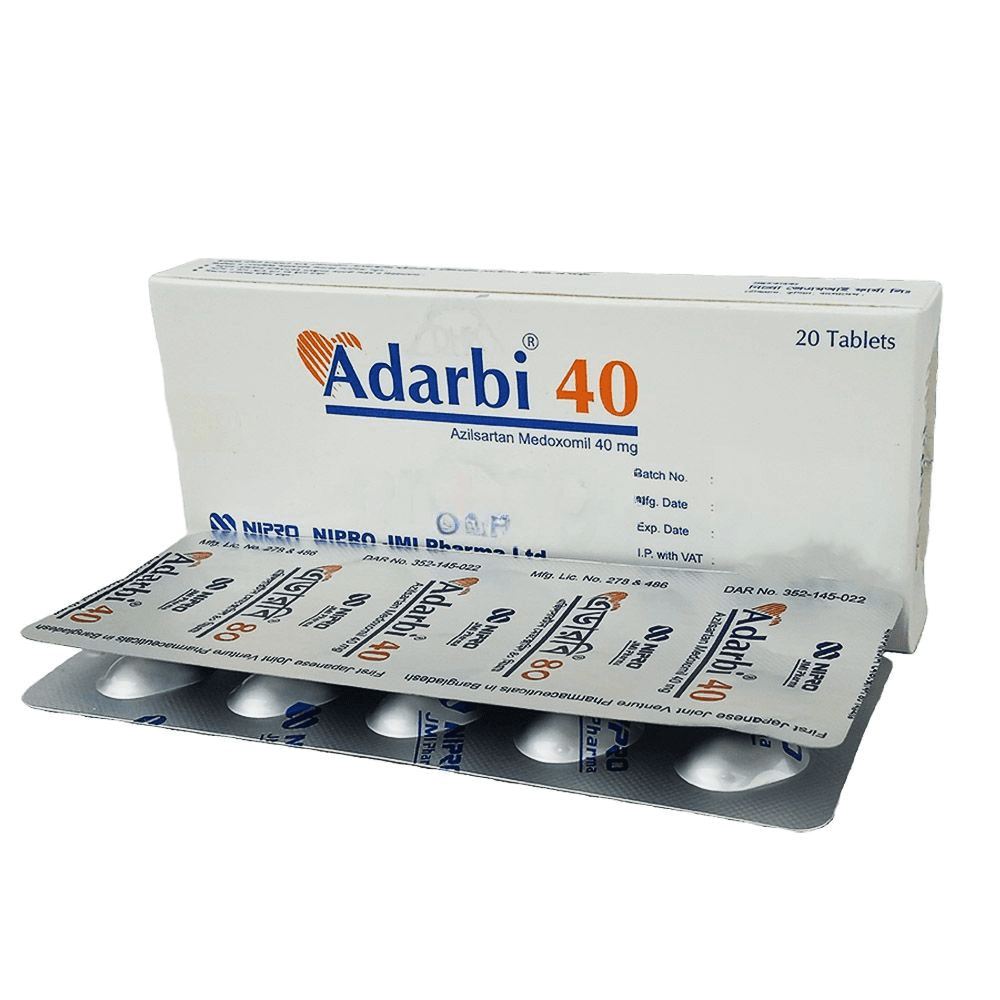
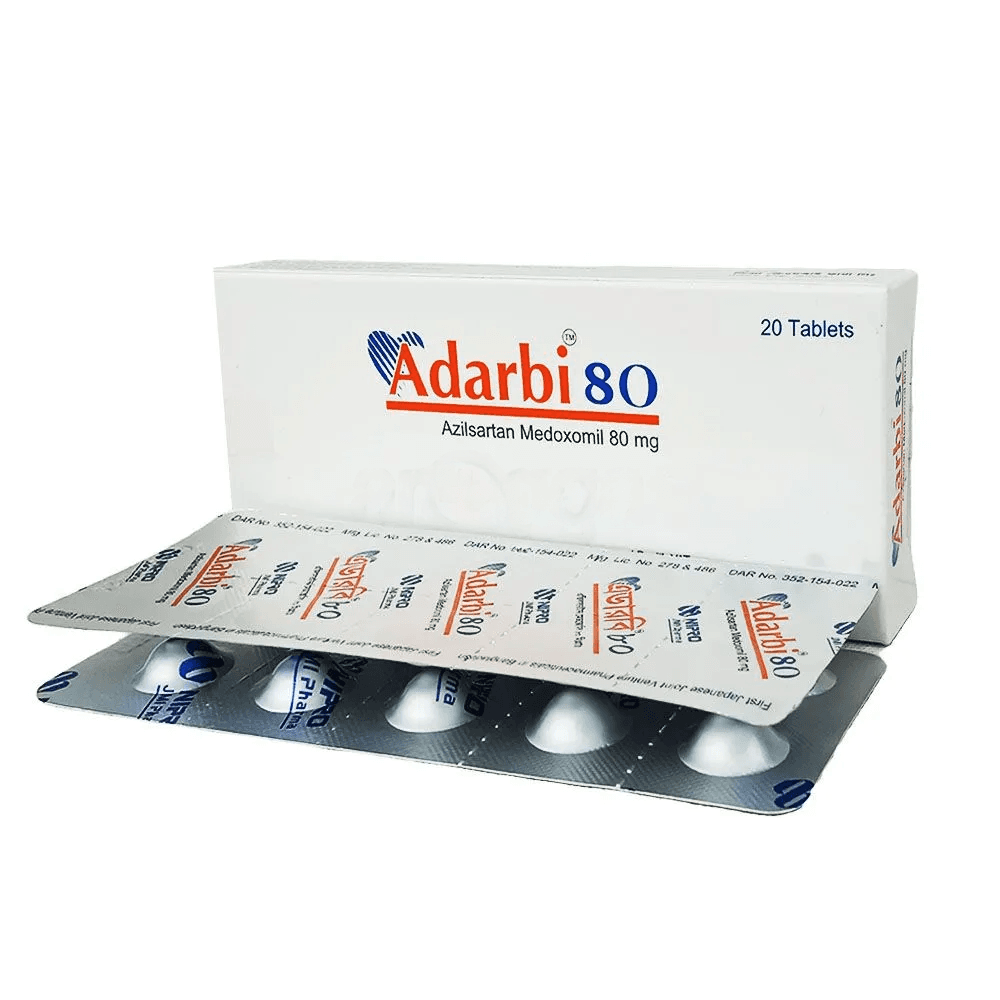
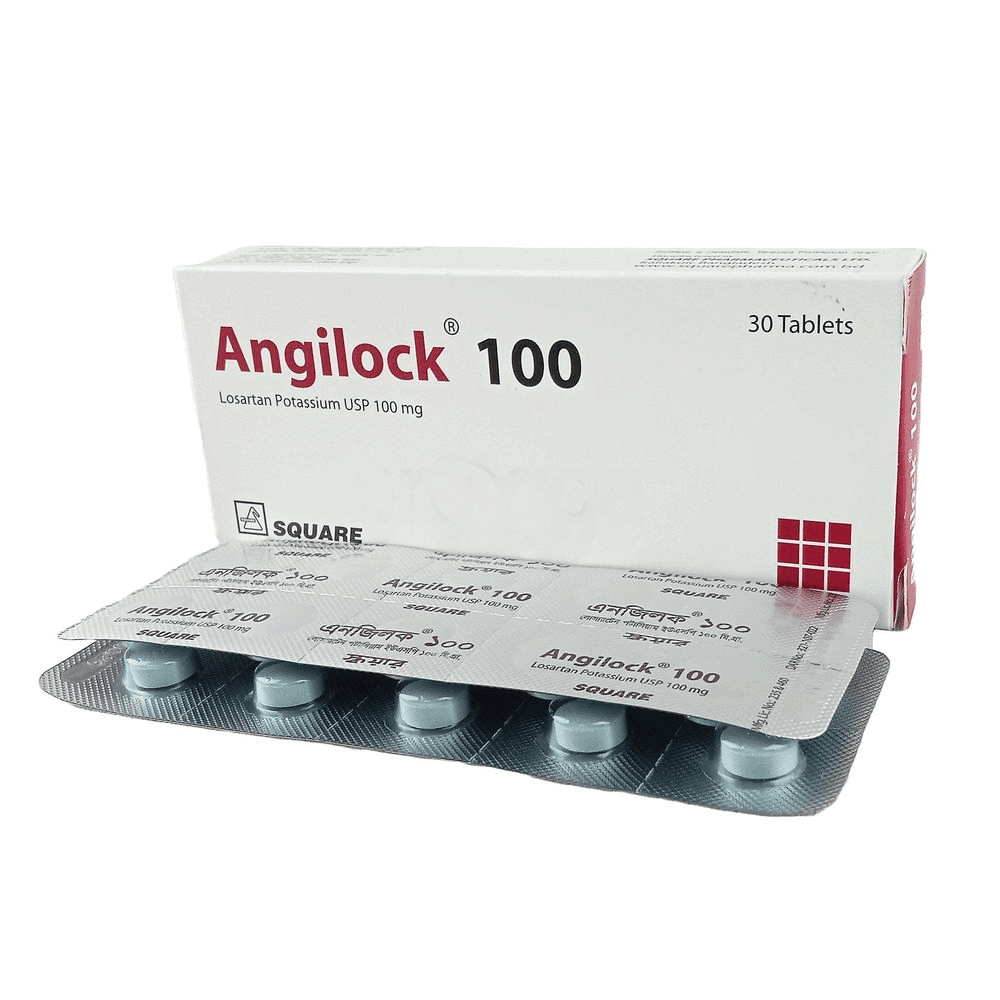
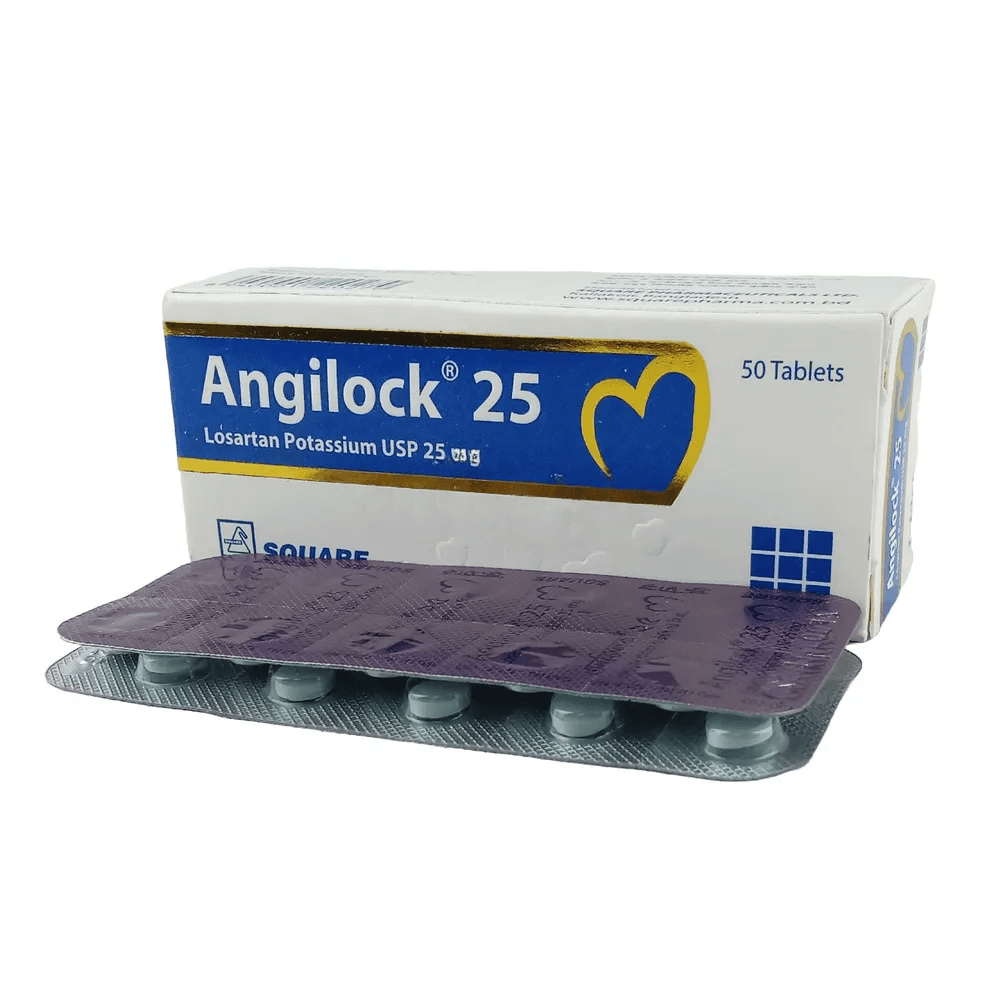
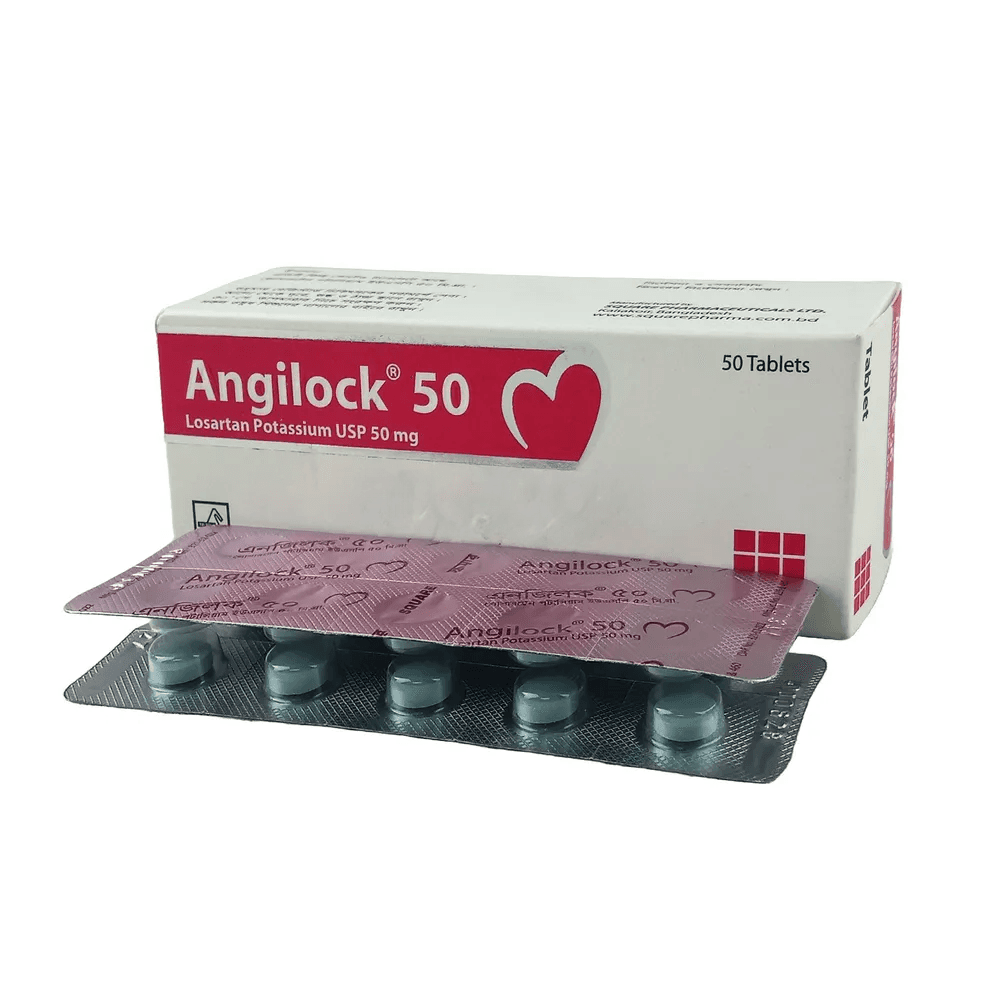
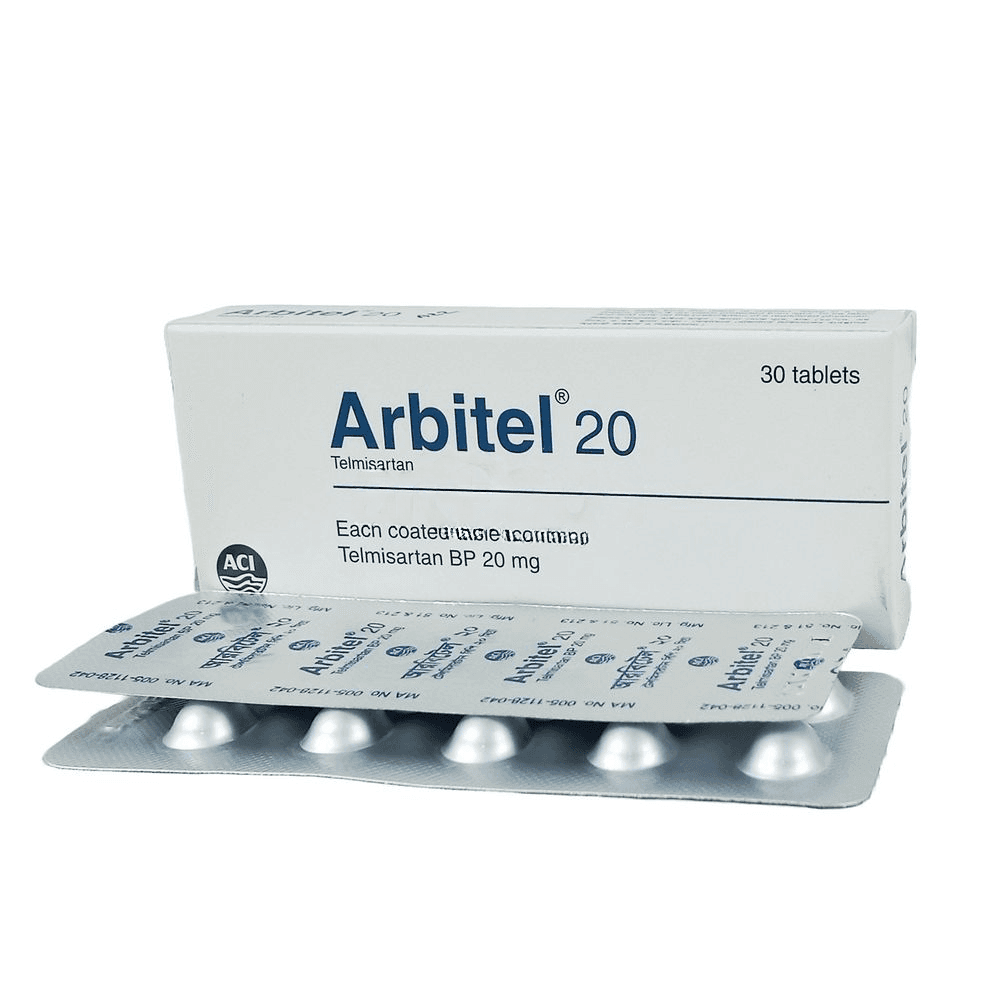
Flecainide Acetate is a class Ic antiarrhythmic medicine used to treat abnormal heart rhythms (arrhythmias). It works by blocking sodium channels in the heart, which slows electrical conduction and helps restore a normal, steady heartbeat.
Flecainide is used to treat conditions such as atrial fibrillation, atrial flutter, and certain supraventricular tachycardias (SVT). It helps maintain a regular heart rhythm and reduce episodes of rapid or irregular heartbeat.