Search products by name
Search medicines by name
0
0 item
৳ ০.০০
আপনার সব স্বাস্থ্যসেবার সমাধান — এখন এক জায়গাতেই


১০৬৫৭
info@shukhee.com
টেলিকম ভবন, ৫৩/১, বক্স নগর, ঢাকা-১২১৬
৳ ০.০০
১০৬৫৭
info@shukhee.com
টেলিকম ভবন, ৫৩/১, বক্স নগর, ঢাকা-১২১৬

Quantity:

Products

Payment

Delivery
Introduction:
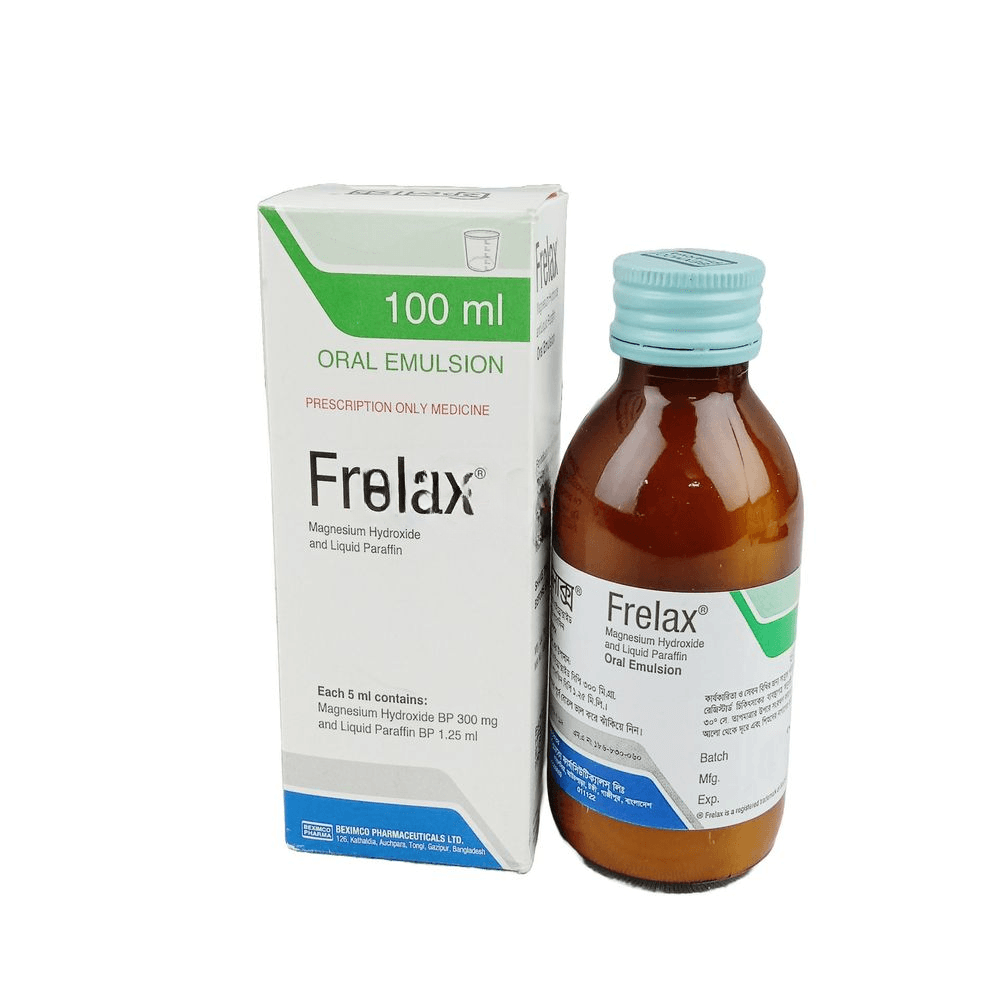
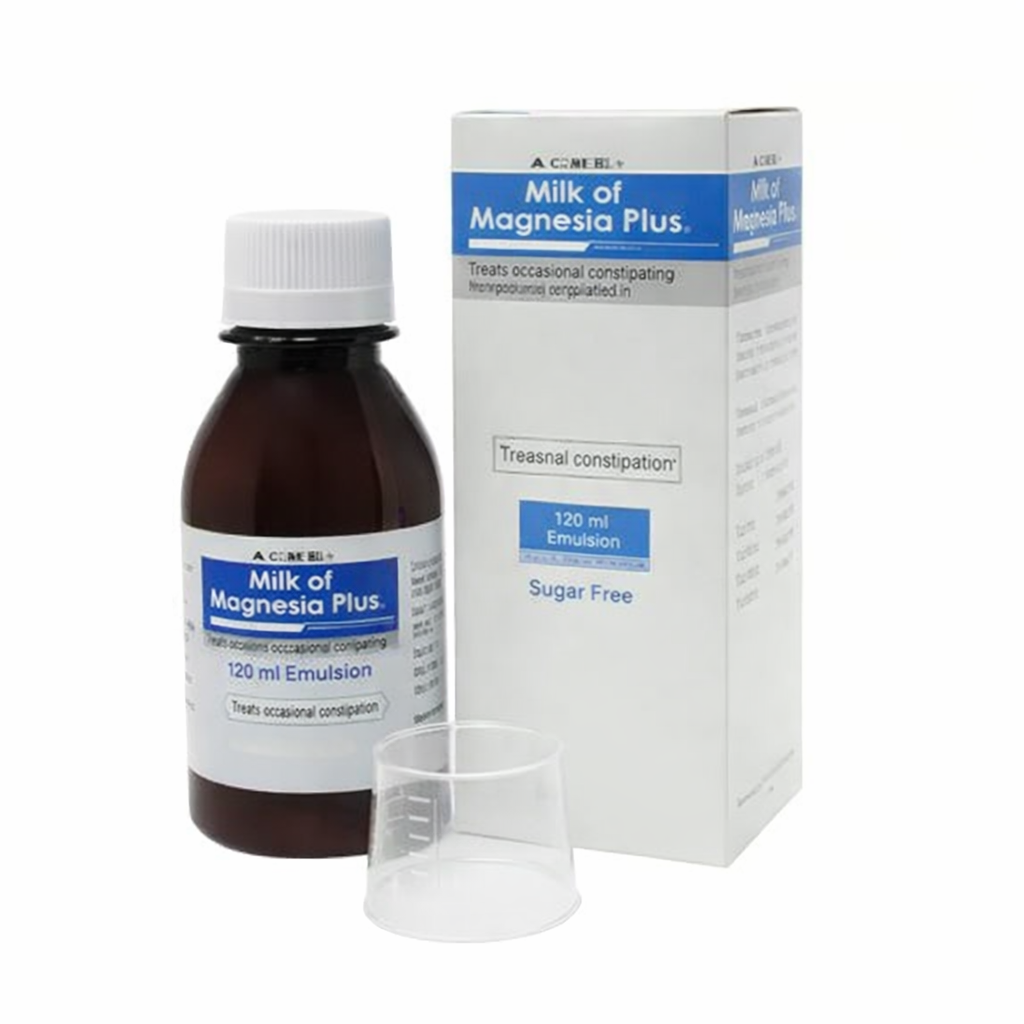
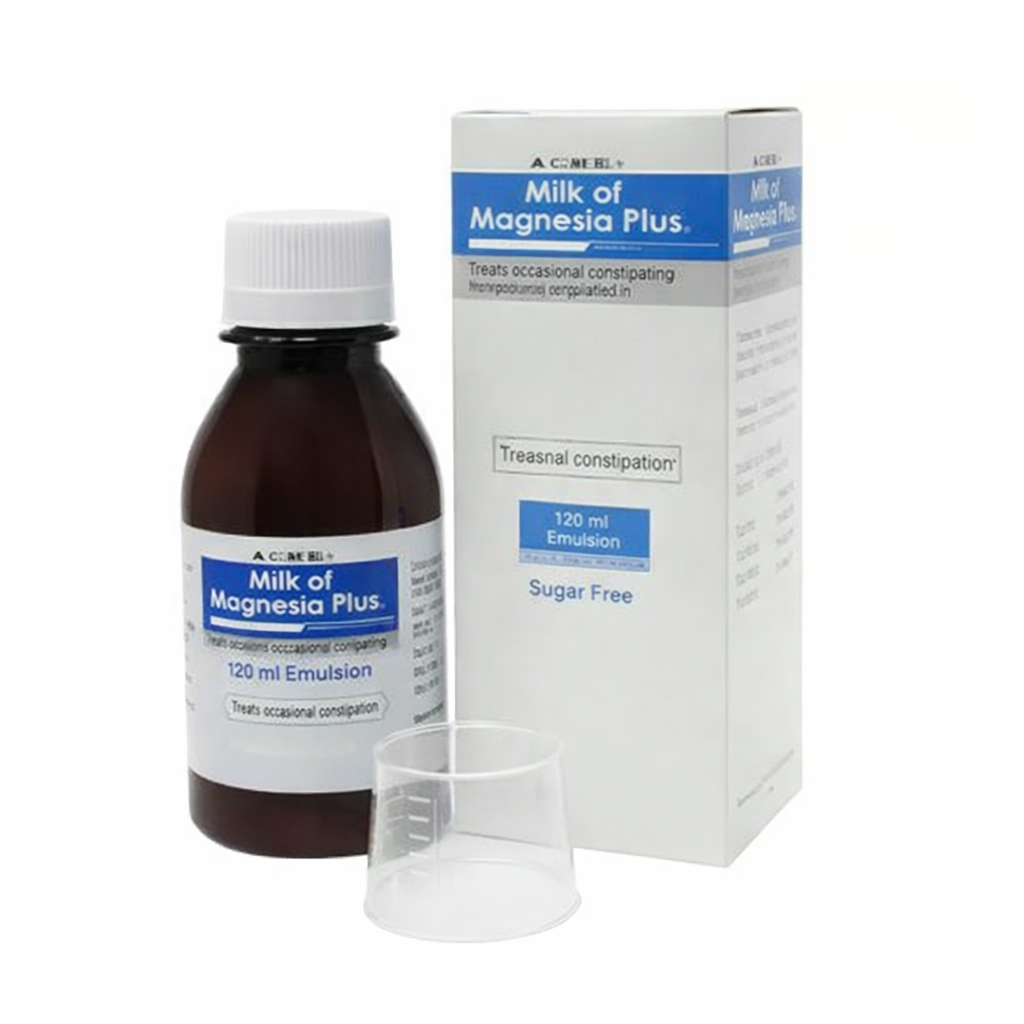
Milk of Magnesia (Magnesium Hydroxide) is an over-the-counter medication commonly used as an antacid and laxative.
Drug Class:
Antacid and osmotic laxative.
Mechanism of Action:
Neutralizes stomach acid by reacting with hydrochloric acid.
Draws water into the intestines, softening stool and promoting bowel movements.
Dosage:
As an antacid: 5–15 mL orally up to 4 times daily.
As a laxative: 30–60 mL orally at bedtime or as directed.
Dosage may vary depending on age and condition.
Benefits:
Provides relief from indigestion, heartburn, and upset stomach.
Effective in relieving occasional constipation.
Safety Advice:
Do not use for more than one week without medical advice.
Avoid in patients with severe kidney disease.
May interact with certain medications; consult a physician if on other drugs.
Renal Friendly:
Use cautiously in renal impairment; magnesium may accumulate and cause toxicity.
Pregnancy Safety:
Generally considered safe in recommended doses; consult physician before use.
Lactation:
Safe in recommended doses; minimal transfer into breast milk.
Overdose:
Symptoms may include diarrhea, dehydration, electrolyte imbalance, and hypermagnesemia (weakness, low blood pressure, confusion).
Immediate medical attention required in case of overdose.
Constipation
The dose may be mixed with milk or half a glass of water if desired.
Oral\r\nAdults:\r\nConstipation \r\nThe recommended oral dose are as follows-\r\n15-30ml before breakfast and/or at bedtime.\r\nUp to 45 mL/day. Max duration: 1 wk.
Oral\r\nChildren:\r\nConstipation \r\nOver 7 years: 7.5ml-15ml at bedtime.\r\n3-7 years: 5-10ml at bedtime.\r\n\r\n\r\n
Renal failure, existing electrolyte imbalance, appendicitis symptoms, acute surgical abdomen, myocardial damage, heart block, fecal impaction, rectal fissures, intestinal obstruction or perforation, pregnant, bedridden, dysphagia
Paraffin: When taken orally: penetrates and softens faecal material. \r\nMagnesium hydroxide increases peristaltic activity causing osmotic retention of fluids, thus resulting in bowel evacuation. It also reduces stomach acid by reacting with hydrochloric acid to form Mg chloride.
Oral: not recommended for use in patients with difficulty swallowing or impaired neurodevelopment. Avoid prolonged use as a laxative or faecal softener.
Anal irritation (excessive dose) and seepage. Foreign-body granulomatous reactions; vasospasm; lipoid pneumonia; interference with absorption of fat-soluble vitamins. Hypotension, electrolyte imbalance, abdominal pain, nausea and vomiting may present.
May impair absorption of fat-soluble vitamins and possibly other compounds.