Search products by name
Search medicines by name
0
0 item
৳ ০.০০
আপনার সব স্বাস্থ্যসেবার সমাধান — এখন এক জায়গাতেই


১০৬৫৭
info@shukhee.com
টেলিকম ভবন, ৫৩/১, বক্স নগর, ঢাকা-১২১৬
৳ ০.০০
১০৬৫৭
info@shukhee.com
টেলিকম ভবন, ৫৩/১, বক্স নগর, ঢাকা-১২১৬

Products

Payment

Delivery
Oral Adult One tablet daily or as recommended by the physician.
Hypervitaminosis, Should not use in over dosage or use continiously.
$4e
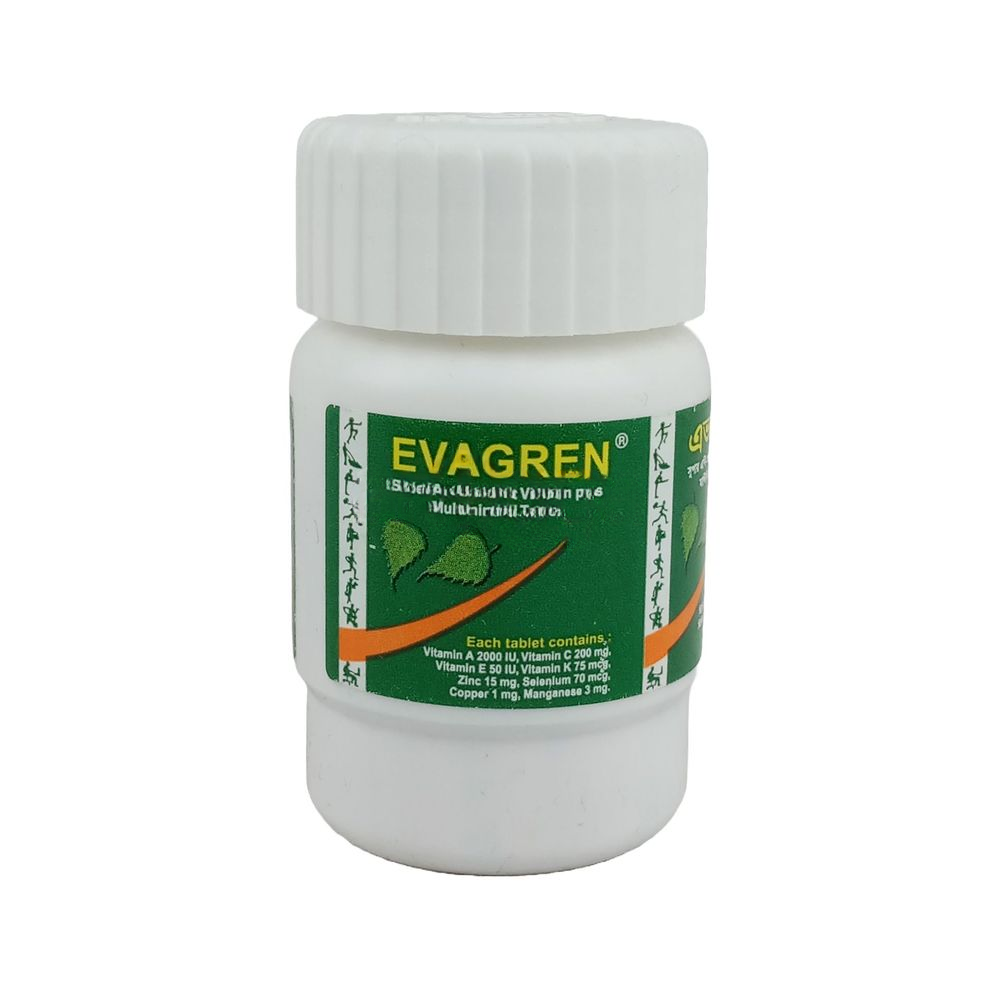
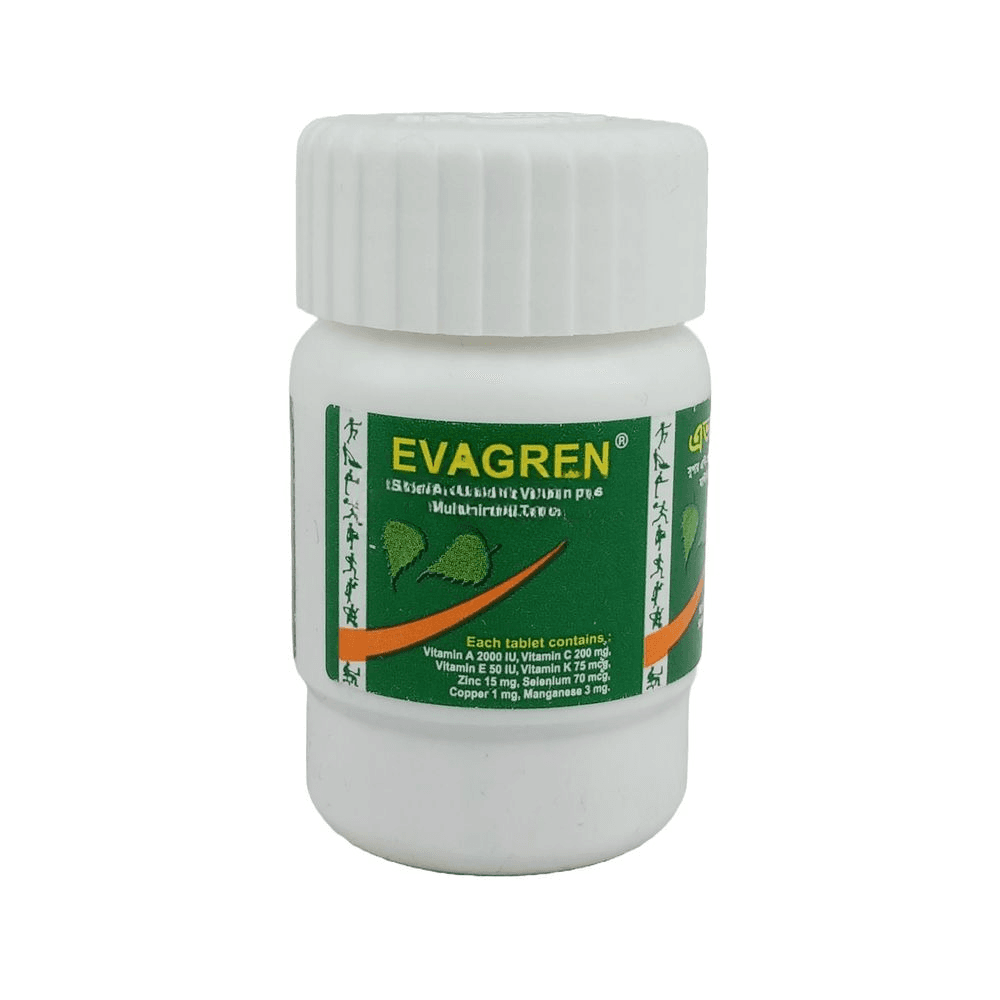
To develop immune system. To prevent aging. Prevent certain types of cancer. Vitamin/mineral deficiency
Generally well tolerated. Diarrhea may occasionally occur during treatment with beta carotene and the skin may assume a slightly yellow discoloration. Vitamin C and vitamin E may cause diarrhea and other gastrointestinal disturbances.
Patients with a known hypersensitivity to any of the ingredients.
Oral Adult One tablet daily or as recommended by the physician.
Hypervitaminosis, Should not use in over dosage or use continiously.
The use of "Super Antioxidants" in renal patients is a delicate balance. While antioxidants fight oxidative stress (which is high in kidney disease), many standard ingredients can become toxic when the kidneys fail to filter them.
1. Vitamin A (The Exclusion Rule): In a standard antioxidant, Vitamin A is a key ingredient. However, in a Renal Dose, Vitamin A is strictly avoided. Because it is fat-soluble and processed by the kidneys, it can accumulate rapidly in CKD patients, leading to "Hypervitaminosis A," which causes bone pain, skin peeling, and liver toxicity.
2. Vitamin C (The Oxalate Risk): While healthy adults often take 500mg to 1000mg of Vitamin C, the Renal Dose is restricted to 60mg–100mg. Higher doses are converted into oxalate, which can crystallize in the kidneys (causing stones) or deposit in soft tissues and joints, a condition known as secondary oxalosis.
3. Vitamin E & Selenium (The Protective Duo): Vitamin E is usually safe and is often kept at standard levels to protect cell membranes. Selenium is included in very controlled, low amounts to assist enzyme functions without overloading the kidneys.
4. Dosing Frequency & Timing:
Frequency: Typically one tablet once daily.
Dialysis Patients: The dose must be taken AFTER dialysis. Since antioxidants like Vitamin C are water-soluble, the dialysis machine will remove them from the blood if taken before the session.
To develop immune system. To prevent aging. Prevent certain types of cancer. Vitamin/mineral deficiency
Generally well tolerated. Diarrhea may occasionally occur during treatment with beta carotene and the skin may assume a slightly yellow discoloration. Vitamin C and vitamin E may cause diarrhea and other gastrointestinal disturbances.
Patients with a known hypersensitivity to any of the ingredients.
N/A