Search products by name
Search medicines by name
0
0 item
৳ ০.০০
আপনার সব স্বাস্থ্যসেবার সমাধান — এখন এক জায়গাতেই


১০৬৫৭
info@shukhee.com
টেলিকম ভবন, ৫৩/১, বক্স নগর, ঢাকা-১২১৬
৳ ০.০০
১০৬৫৭
info@shukhee.com
টেলিকম ভবন, ৫৩/১, বক্স নগর, ঢাকা-১২১৬


Products

Payment

Delivery
Parenteral nutrition,\r\n Preoperative and postoperative nutritional disturbances where an improved nitrogen balance is required;\r\n Nutritional disorders or disturbances of nitrogen balance due to inadequate or failing intestinal absorption caused by tumours in the gastrointestinal tract, acute or chronic intestinal diseases (peritonitis, ulcerative colitis, terminal ileitis);\r\n Burns, to reduce the frequently excessive nitrogen losses; Prolonged unconsciousness, eg. following cranial trauma or poisoning in cases where enteral feeding is inappropriate or impossible;\r\n Impaired renal function where a concentrated source of energy may be indicated to reduce protein breakdown;\r\n Cachexia and Patients with essential fatty acid deficiency who cannot maintain or restore a normal essential fatty acid pattern by oral intake.\r\n
Total Parenteral nutrition: As a part of TPN, administer IV via a peripheral vein or by central venous catheter. Fat emulsion should comprise no more than 60% of the patient\\'s total caloric intake, with carbohydrates and amino acids comprising the remaining 40% or more of caloric intake. \r\n\r\nAdult: Initial infusion rate is 1ml/min for the first 15 to 30 mins. If no adverse reactions occur, the infusion rate can be increased to 2 ml/min. Infuse only 500 ml the first day and increase dose the following day. Do not exceed a daily dosage of 2.5 g/kg. \r\n
Total Parenteral nutrition: As a part of TPN, administer IV via a peripheral vein or by central venous catheter. Fat emulsion should comprise no more than 60% of the patient\\'s total caloric intake, with carbohydrates and amino acids comprising the remaining 40% or more of caloric intake. \r\n\r\nChildren: Initial infusion rate is 0.1ml/min for the first 10 to 15 mins. If no adverse reactions occur, the infusion rate can be increased to 1g/kg in 4 hours. Do not exceed a daily dosage of 3 g/kg. \r\n\r\nInfants: Starts at 0.5g/kg/24 hours and may be increased in relation to the infant's ability to eliminate fat. The maximum recommended dosage is 3g/kg/24 hours. \r\nFatty acid deficiency: To correct EFAD, supply 8% to 10% of the caloric intake by IV fat emulsion to provide an adequate amount of linoleic acid.
It is contraindicated in conditions with severely disordered fat metabolism, such as in severe liver damage and acute shock. Hypersensitivity to egg-, soya- or peanut protein or to any of active substances or excipients.
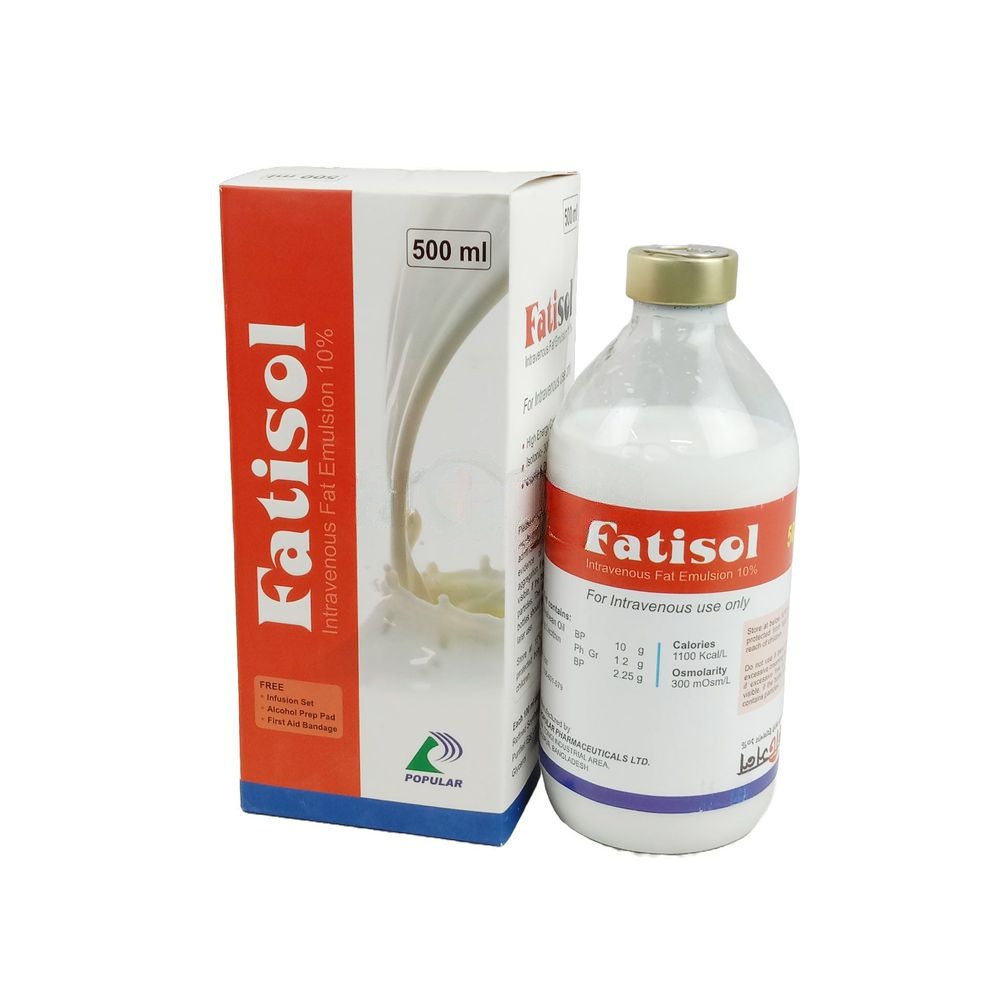
This are isotonic and may be given by central or peripheral venous route. FatisolTM is formulated as a concentrated source of energy to be used together with carbohydrates and amino acids in parenteral nutrition, it is isotonic, and provides a source of basal phosphate requirements and a source of vitamin E.
$4e
This may cause a rise in body temperature (incidence <3%) and, less frequently, shivering, chills and nausea/vomiting (incidence <1%). Reports of other adverse events in conjunction with 10% fat emulsion infusion are extremely rare, less than one report of certain events per one million infusions. Hypersensitivity reactions (anaphylactic reaction, skin rash, urticaria), respiratory symptoms (tachypnoea) and circulatory effects (hypertension, hypotension) have been described. \r\nThrombosis, haemolysis, reticulocytosis, abdominal pain, tiredness, priapism and neurological adverse reactions including headaches, flushing, dyspnoea, slight pressure over the eyes and dizziness have been reported.
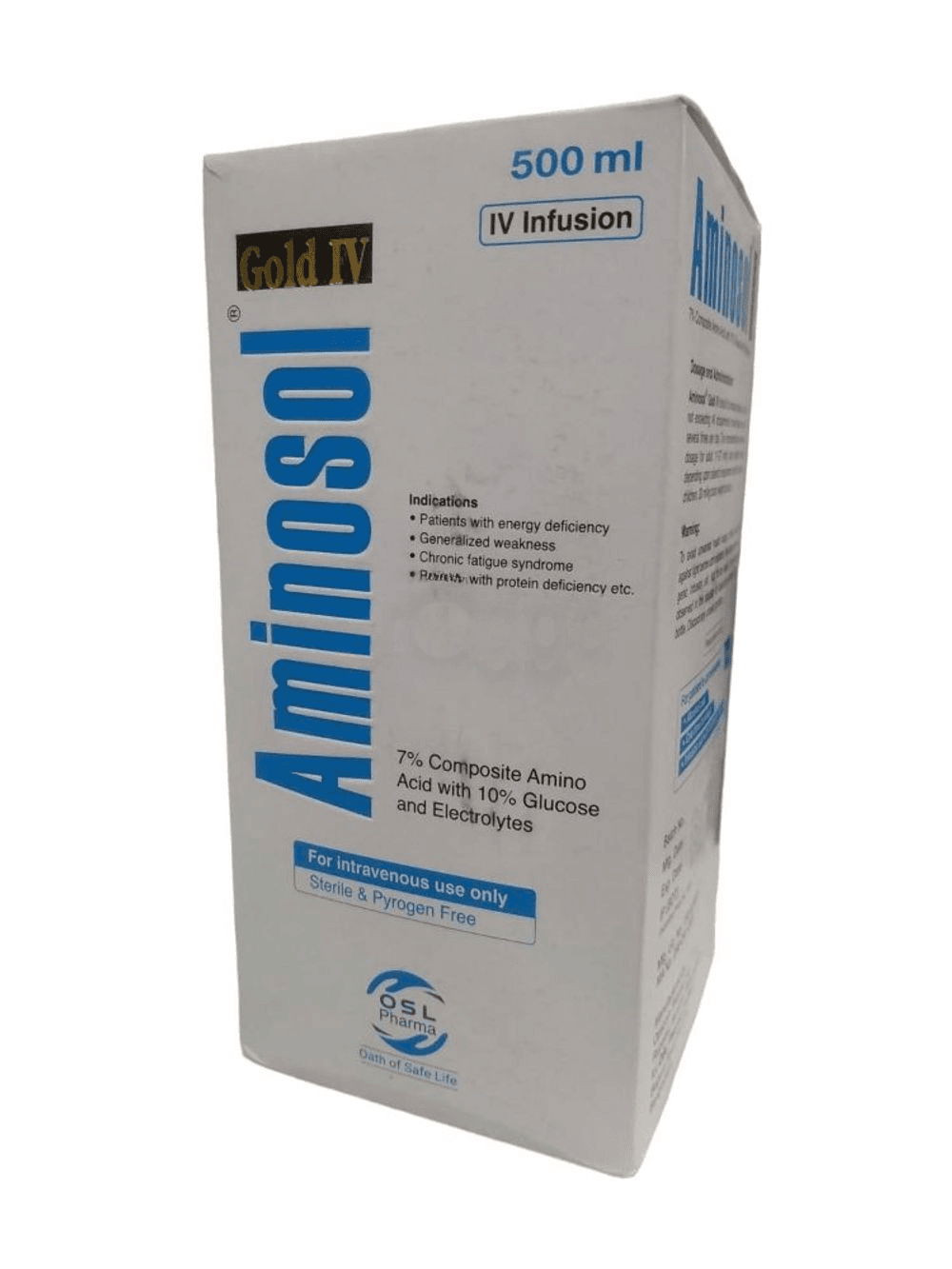
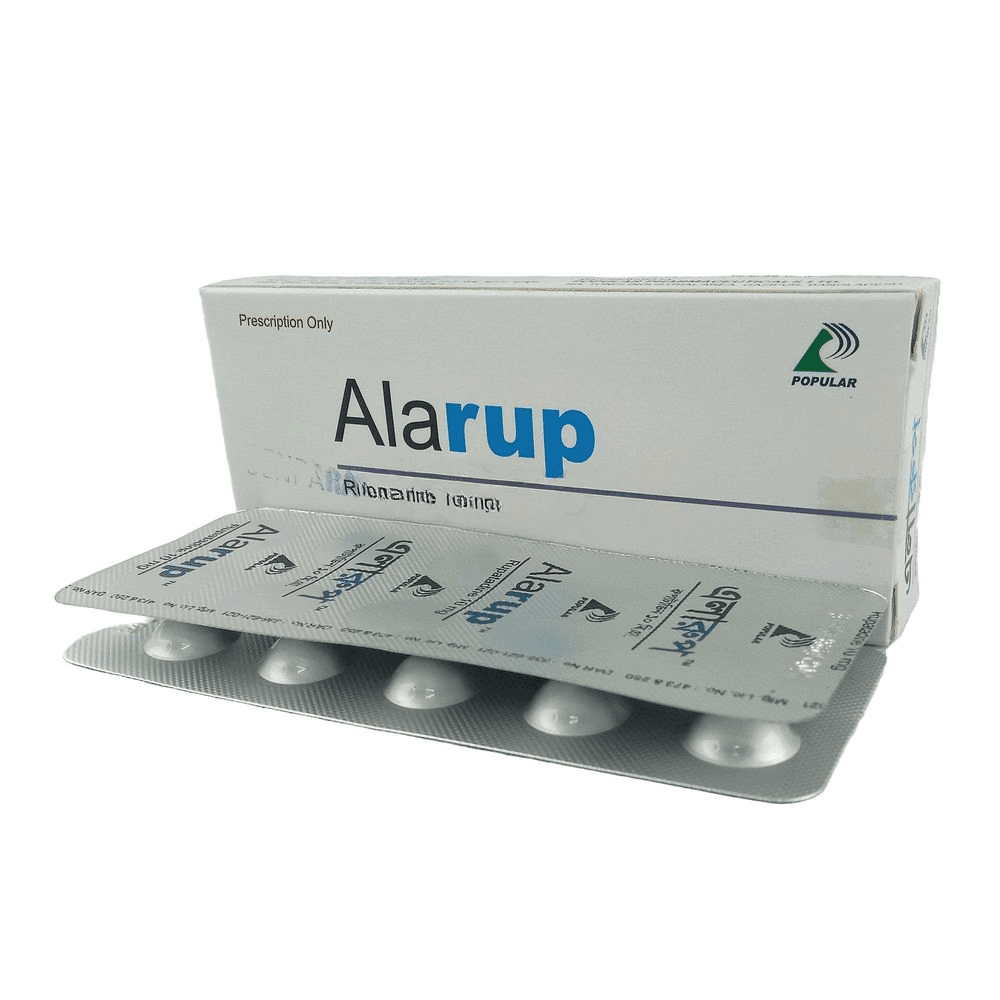
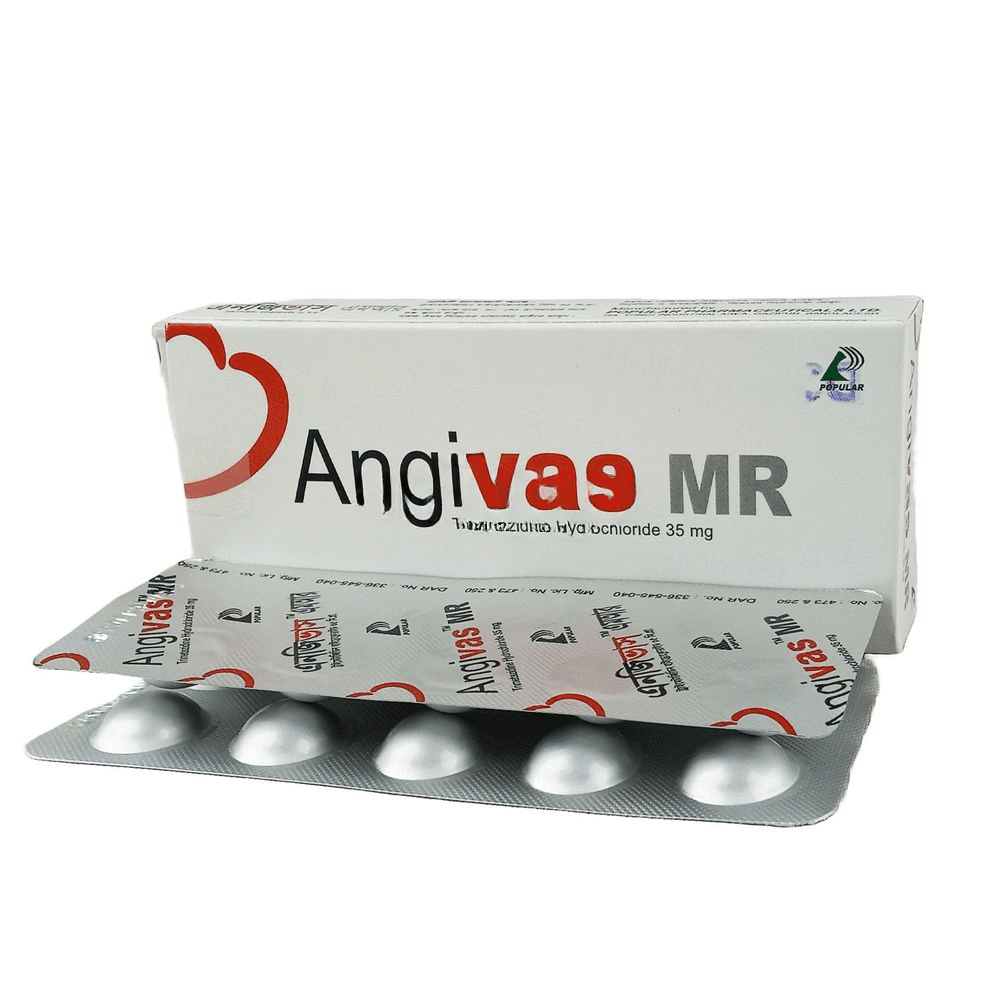
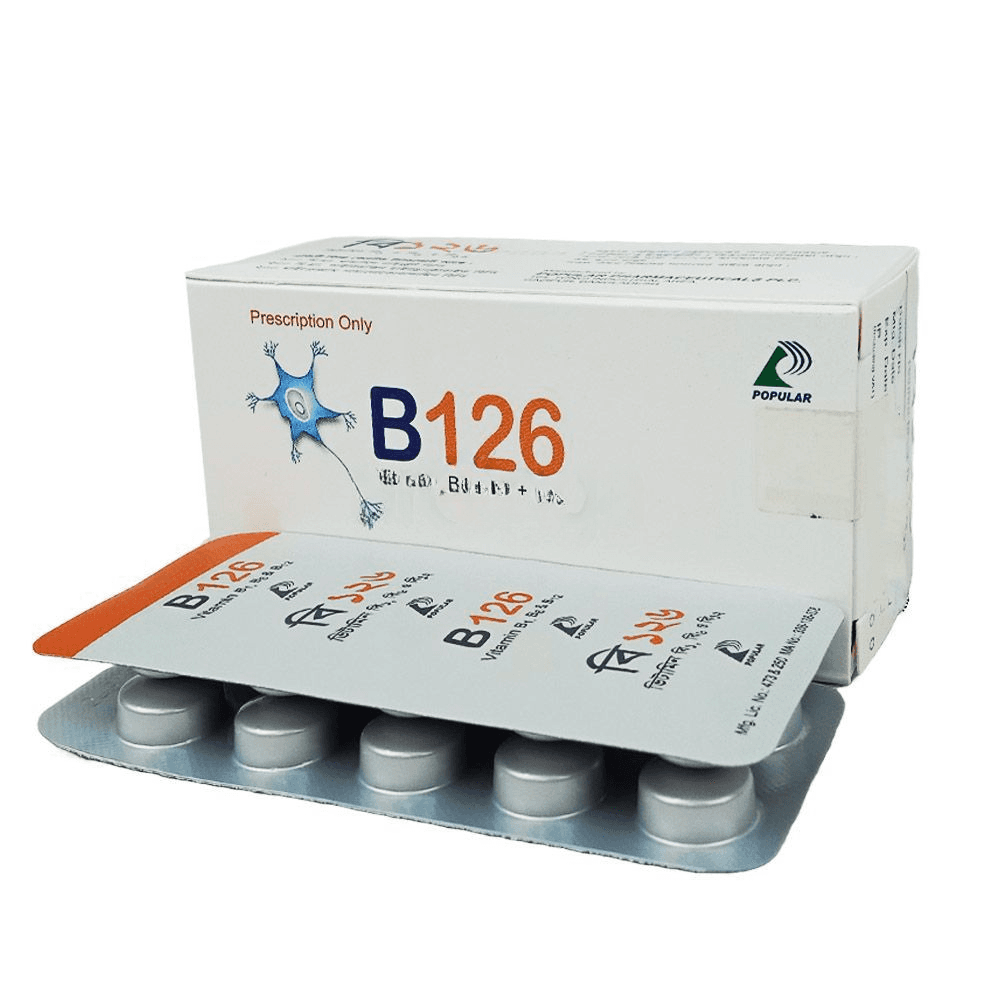
Parenteral nutrition,\r\n Preoperative and postoperative nutritional disturbances where an improved nitrogen balance is required;\r\n Nutritional disorders or disturbances of nitrogen balance due to inadequate or failing intestinal absorption caused by tumours in the gastrointestinal tract, acute or chronic intestinal diseases (peritonitis, ulcerative colitis, terminal ileitis);\r\n Burns, to reduce the frequently excessive nitrogen losses; Prolonged unconsciousness, eg. following cranial trauma or poisoning in cases where enteral feeding is inappropriate or impossible;\r\n Impaired renal function where a concentrated source of energy may be indicated to reduce protein breakdown;\r\n Cachexia and Patients with essential fatty acid deficiency who cannot maintain or restore a normal essential fatty acid pattern by oral intake.\r\n
Total Parenteral nutrition: As a part of TPN, administer IV via a peripheral vein or by central venous catheter. Fat emulsion should comprise no more than 60% of the patient\\'s total caloric intake, with carbohydrates and amino acids comprising the remaining 40% or more of caloric intake. \r\n\r\nAdult: Initial infusion rate is 1ml/min for the first 15 to 30 mins. If no adverse reactions occur, the infusion rate can be increased to 2 ml/min. Infuse only 500 ml the first day and increase dose the following day. Do not exceed a daily dosage of 2.5 g/kg. \r\n
Total Parenteral nutrition: As a part of TPN, administer IV via a peripheral vein or by central venous catheter. Fat emulsion should comprise no more than 60% of the patient\\'s total caloric intake, with carbohydrates and amino acids comprising the remaining 40% or more of caloric intake. \r\n\r\nChildren: Initial infusion rate is 0.1ml/min for the first 10 to 15 mins. If no adverse reactions occur, the infusion rate can be increased to 1g/kg in 4 hours. Do not exceed a daily dosage of 3 g/kg. \r\n\r\nInfants: Starts at 0.5g/kg/24 hours and may be increased in relation to the infant's ability to eliminate fat. The maximum recommended dosage is 3g/kg/24 hours. \r\nFatty acid deficiency: To correct EFAD, supply 8% to 10% of the caloric intake by IV fat emulsion to provide an adequate amount of linoleic acid.
It is contraindicated in conditions with severely disordered fat metabolism, such as in severe liver damage and acute shock. Hypersensitivity to egg-, soya- or peanut protein or to any of active substances or excipients.
This are isotonic and may be given by central or peripheral venous route. FatisolTM is formulated as a concentrated source of energy to be used together with carbohydrates and amino acids in parenteral nutrition, it is isotonic, and provides a source of basal phosphate requirements and a source of vitamin E.
Allergy Alert: Do not use if you have a known allergy to soy, eggs, or peanuts (as cross-reactivity can occur).
Fat Metabolism: Use with caution if you have impaired lipid metabolism, such as severe hyperlipidemia or lipid nephrosis.
Infection Risk: Strict aseptic (sterile) technique must be followed during administration to prevent blood infections.
Liver Function: Monitor liver enzymes regularly, as long-term use can cause liver stress or "Intravenous Fat Overload Syndrome."
Blood Clotting: Monitor blood coagulation profiles, as lipids can occasionally interfere with platelet function.
Storage: Store in a cool place (usually below 25°C) and never freeze. If the emulsion separates (yellow oil drops visible), discard it.
Single Use: These containers are for single use only. Discard any unused portion immediately after the infusion is complete.
Infusion Rate: Must be infused slowly. Rapid infusion can lead to nausea, vomiting, or breathing difficulties.
Kidney Health: Patients with severe kidney failure should be monitored closely for fluid and electrolyte balance.
Pregnancy/Nursing: Consult a doctor before use, as it should only be administered if the benefits clearly outweigh the risks.
This may cause a rise in body temperature (incidence <3%) and, less frequently, shivering, chills and nausea/vomiting (incidence <1%). Reports of other adverse events in conjunction with 10% fat emulsion infusion are extremely rare, less than one report of certain events per one million infusions. Hypersensitivity reactions (anaphylactic reaction, skin rash, urticaria), respiratory symptoms (tachypnoea) and circulatory effects (hypertension, hypotension) have been described. \r\nThrombosis, haemolysis, reticulocytosis, abdominal pain, tiredness, priapism and neurological adverse reactions including headaches, flushing, dyspnoea, slight pressure over the eyes and dizziness have been reported.
N/A