Search products by name
Search medicines by name
0
0 item
৳ ০.০০
আপনার সব স্বাস্থ্যসেবার সমাধান — এখন এক জায়গাতেই


১০৬৫৭
info@shukhee.com
টেলিকম ভবন, ৫৩/১, বক্স নগর, ঢাকা-১২১৬
৳ ০.০০
১০৬৫৭
info@shukhee.com
টেলিকম ভবন, ৫৩/১, বক্স নগর, ঢাকা-১২১৬


Products

Payment

Delivery
One capsule daily. In more severe cases, 2 capsules a day may be required.
Iron: Antacids may decrease the absorption of carbonyl iron.\r\n\r\nFolic acid: Antiepileptics, oral contraceptives, anti-TB drugs, alcohol, aminopterin, methotrexate, pyrimethamine, trimethoprim and sulphonamides may result to decrease in serum folate contrations. Decreases serum phenytoin concentrations.\r\n\r\nVit C: Deferroxamine, hormonal contraceptives, flufenazine, warfarin, elemental iron, salicylates, warfarin, fluphenazine, disulfiram, mexiletine, vitamin B12.\r\n\r\n\r\n
Care should be taken in patients who may develop iron overload, such as those with haemochromatosis, haemolytic anemia or red cell aplasia. Iron chelates with tetracycline and absorption may be impaired.\r\n\r\nLactation: Present in breast milk, use caution
$4e
For maximum absorption take on empty stomach, but may take with or after meals to minimize GI irritation
Vitamin/mineral deficiency during pregnancy and lactation
Allergic sensitizations have been reported following both oral and parenteral administration of folic acid. Iron: Gastrointestinal disturbances (anorexia, nausea, diarrhea, constipation, heartburn and vomiting) occur occasionally, but are usually mild and may subside with continuation of therapy. Iron may turn stools black.
Patients with known hypersensitivity to any of its ingredients; also, all iron compounds are contraindicated in patients with hemosiderosis, hemochromatosis, or hemolytic anemias. Pernicious anemia is a contraindication, as folic acid may obscure its signs and symptoms.
One capsule daily. In more severe cases, 2 capsules a day may be required.
Iron: Antacids may decrease the absorption of carbonyl iron.\r\n\r\nFolic acid: Antiepileptics, oral contraceptives, anti-TB drugs, alcohol, aminopterin, methotrexate, pyrimethamine, trimethoprim and sulphonamides may result to decrease in serum folate contrations. Decreases serum phenytoin concentrations.\r\n\r\nVit C: Deferroxamine, hormonal contraceptives, flufenazine, warfarin, elemental iron, salicylates, warfarin, fluphenazine, disulfiram, mexiletine, vitamin B12.\r\n\r\n\r\n
Care should be taken in patients who may develop iron overload, such as those with haemochromatosis, haemolytic anemia or red cell aplasia. Iron chelates with tetracycline and absorption may be impaired.\r\n\r\nLactation: Present in breast milk, use caution
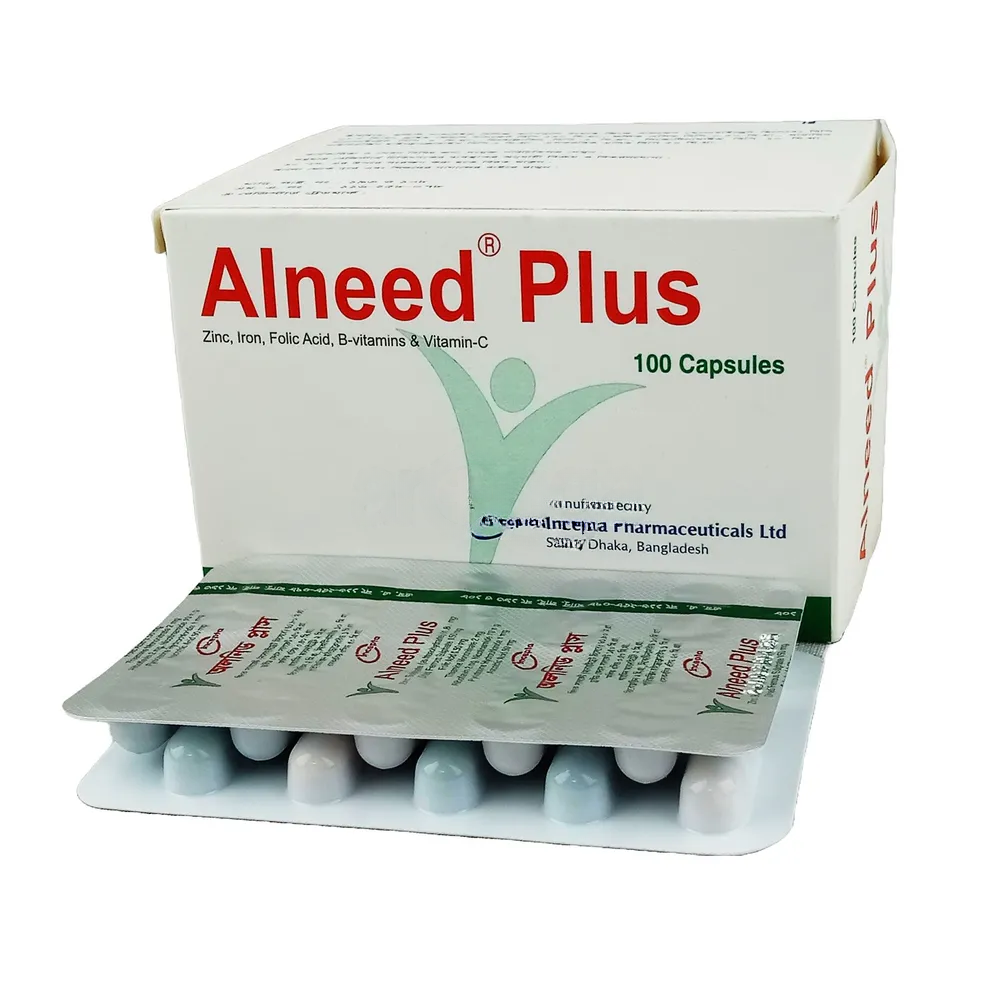
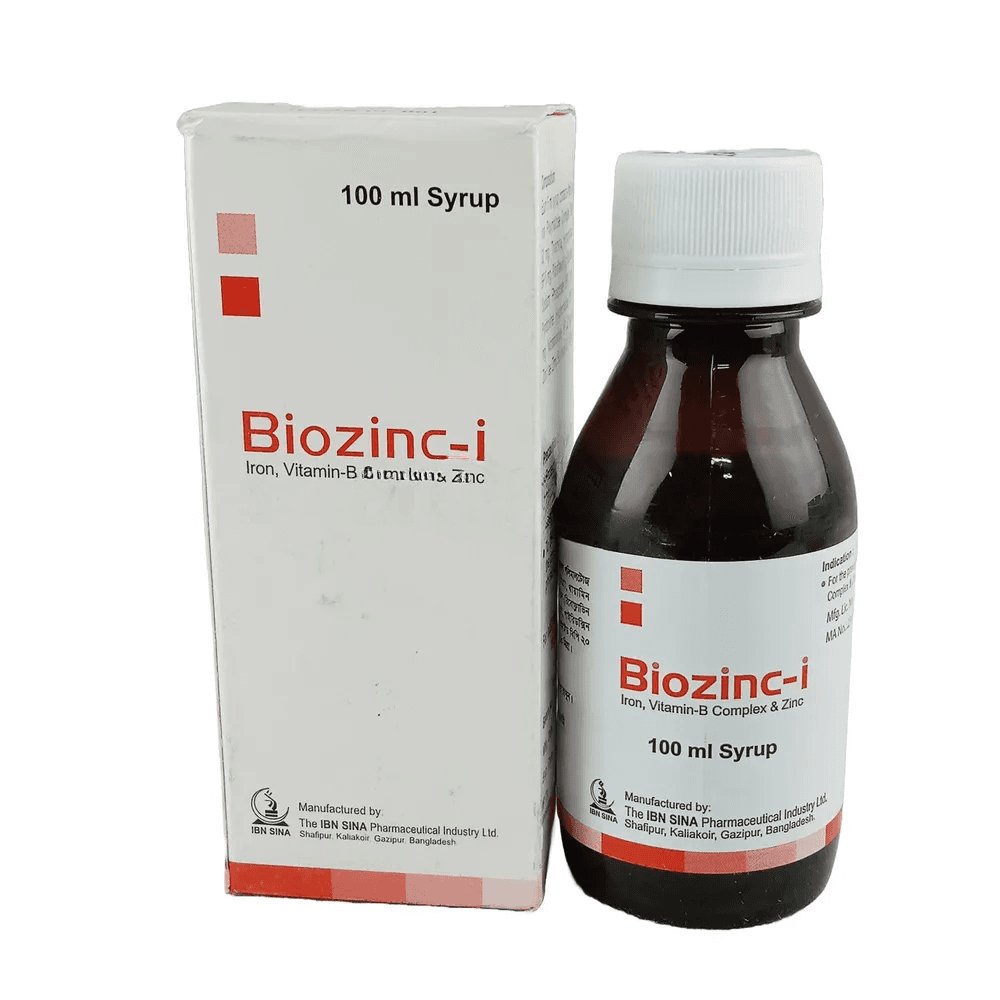
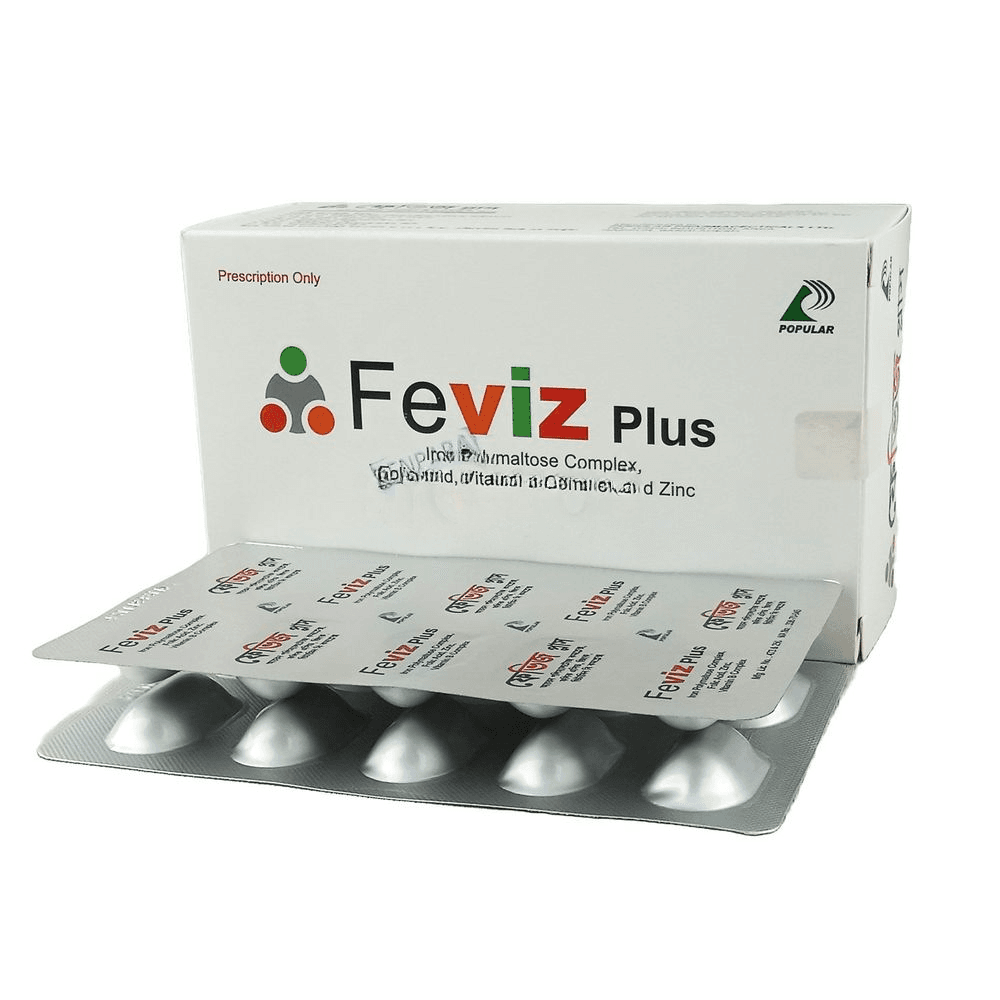
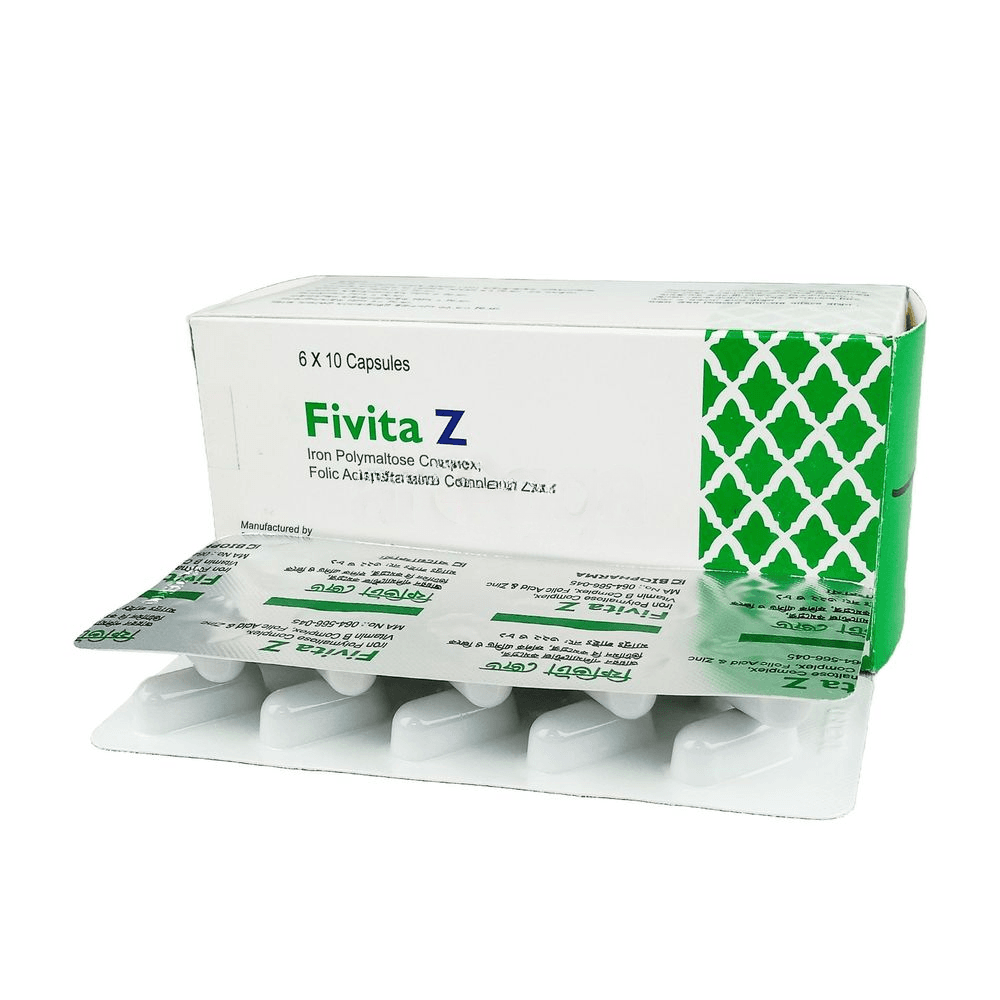
This combination of Iron + Folic Acid + Vitamin B-Complex + Vitamin C + Zinc is primarily used to treat anemia and fulfill overall nutritional deficiencies in the body.
1. How the Components Work Together:
Iron: The core building block of hemoglobin. It is responsible for carrying oxygen from the lungs to the rest of the body.
Folic Acid (Vitamin B9): Works with Iron and B12 to produce healthy red blood cells. It is also vital for DNA synthesis and preventing birth defects during pregnancy.
Vitamin B-Complex: A group of vitamins (B1, B2, B3, B5, B6, B12) that act as "energy boosters." They help turn food into fuel and keep the nervous system functioning properly.
Vitamin C (Ascorbic Acid): This is the facilitator. Iron is difficult for the body to absorb on its own; Vitamin C significantly improves iron absorption in the gut while strengthening the immune system.
Zinc: An essential mineral for cell division, protein synthesis, and maintaining a strong defense against infections.
2. Standard Adult Dosage:
General Dose: Typically one capsule or tablet daily.
Administration: It is best taken on an empty stomach (1 hour before or 2 hours after a meal) with a full glass of water or citrus juice to maximize absorption.
If Stomach Upset Occurs: You may take it immediately after a light meal.
For maximum absorption take on empty stomach, but may take with or after meals to minimize GI irritation
Vitamin/mineral deficiency during pregnancy and lactation
Allergic sensitizations have been reported following both oral and parenteral administration of folic acid. Iron: Gastrointestinal disturbances (anorexia, nausea, diarrhea, constipation, heartburn and vomiting) occur occasionally, but are usually mild and may subside with continuation of therapy. Iron may turn stools black.
Patients with known hypersensitivity to any of its ingredients; also, all iron compounds are contraindicated in patients with hemosiderosis, hemochromatosis, or hemolytic anemias. Pernicious anemia is a contraindication, as folic acid may obscure its signs and symptoms.


N/A