Search products by name
Search medicines by name
0
0 item
৳ ০.০০
আপনার সব স্বাস্থ্যসেবার সমাধান — এখন এক জায়গাতেই


১০৬৫৭
info@shukhee.com
টেলিকম ভবন, ৫৩/১, বক্স নগর, ঢাকা-১২১৬
৳ ০.০০
১০৬৫৭
info@shukhee.com
টেলিকম ভবন, ৫৩/১, বক্স নগর, ঢাকা-১২১৬


Quantity:

Products

Payment

Delivery
Indications
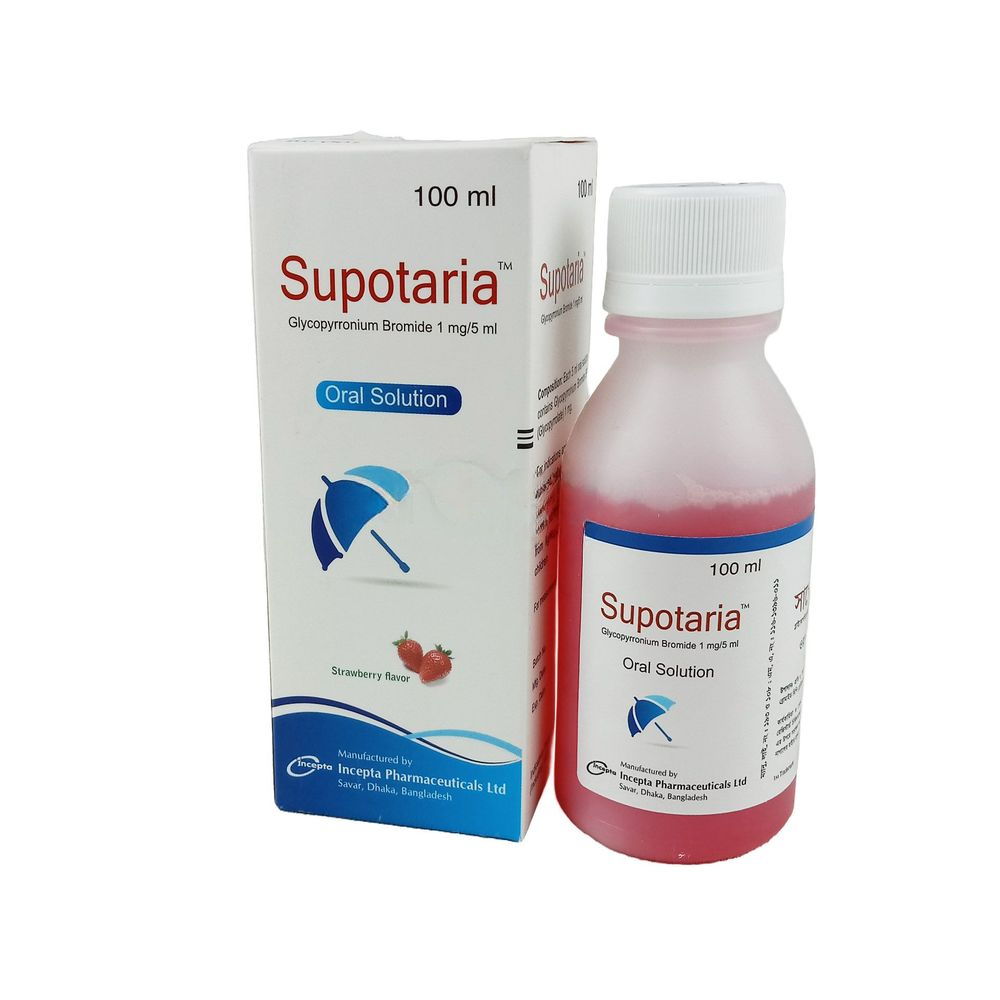
Supotaria oral solution is indicated to reduce chronic severe drooling in patients aged 3 to 16 years with neurologic conditions associated with problem drooling (e.g., cerebral palsy).
Pharmacology
Glycopyrrolate is a competitive inhibitor of acetylcholine receptors that are located on certain peripheral tissues, including salivary glands. Glycopyrrolate indirectly reduces the rate of salivation by
preventing the stimulation of these receptors. Glycopyrrolate inhibits the action of acetylcholine on salivary glands thereby reducing the extent of salivation.
Dosage & Administration
Glycopyrronium Bromide oral solution must be measured and administered with an accurate measuring device. Initiate dosing at 0.02 mg/kg orally three times daily and titrate in increments of 0.02
mg/kg every 5-7 days based on therapeutic response and adverse reactions. The maximum recommended dosage is 0.1 mg/kg three times daily not to exceed 1.5-3 mg per dose based upon weight.
During the four-week titration period, dosing can be increased with the recommended dose titration schedule while ensuring that the anticholinergic adverse events are tolerable. Prior to each increase
in dose, review the tolerability of the current dose level with the patient's caregiver.
Glycopyrronium Bromide oral solution should be dosed at least one hour before or two hours after meals. The presence of high-fat food reduces the oral bioavailability of this oral solution if taken
shortly after a meal
Interaction
Digoxin tablets: Use with glycopyrrolate can increase digoxin serum levels. Monitor patients and consider use of alternative dosage forms of digoxin.
Amantadine: Effects of glycopyrrolate may be increased with concomitant administration of amantadine. Consider decreasing the dose of glycopyrrolate during concomitant use.
Atenolol or metformin: Glycopyrrolate may increase serum levels of atenolol or metformin. Consider dose reduction when used with glycopyrrolate.
Haloperidol or levodopa: Glycopyrrolate may decrease serum levels of haloperidol or levodopa. Consider a dose increase when used with glycopyrrolate.
Contraindications
Glycopyrronium Bromide oral solution is contraindicated in:
. Patients with medical conditions that preclude anticholinergic therapy (e.g., glaucoma, paralytic ileus, unstable cardiovascular status in acute hemorrhage, severe ulcerative colitis, toxic
megacolon complicating ulcerative colitis, myasthenia gravis).
. Patients taking solid oral dosage forms of potassium chloride. The passage of potassium chloride tablets through the gastrointestinal (Gl) tract may be arrested or delayed with coadministration
of Glycopyrronium Bromide oral solution.
Side Effects
Gastrointestinal: Abdominal distention, abdominal pain, stomach discomfort, chapped lips, flatulence, retching, dry tongue
General Disorders: Irritability, pain
Infections: Pneumonia, sinusitis, tracheostomy infection, upper respiratory tract infection, urinary tract infection
Investigations: Heart rate increase
Metabolism and Nutrition: Dehydration
Nervous System: Headache, convulsion, dysgeusia, nystagmus
Psychiatric: Agitation, restlessness, abnormal behavior, aggression, crying, impulse control disorder, moaning, mood altered
Respiratory: Increased viscosity of bronchial secretion, nasal congestion, nasal dryness
Skin: Dry skin, pruritus, rash
Vascular: Pallor
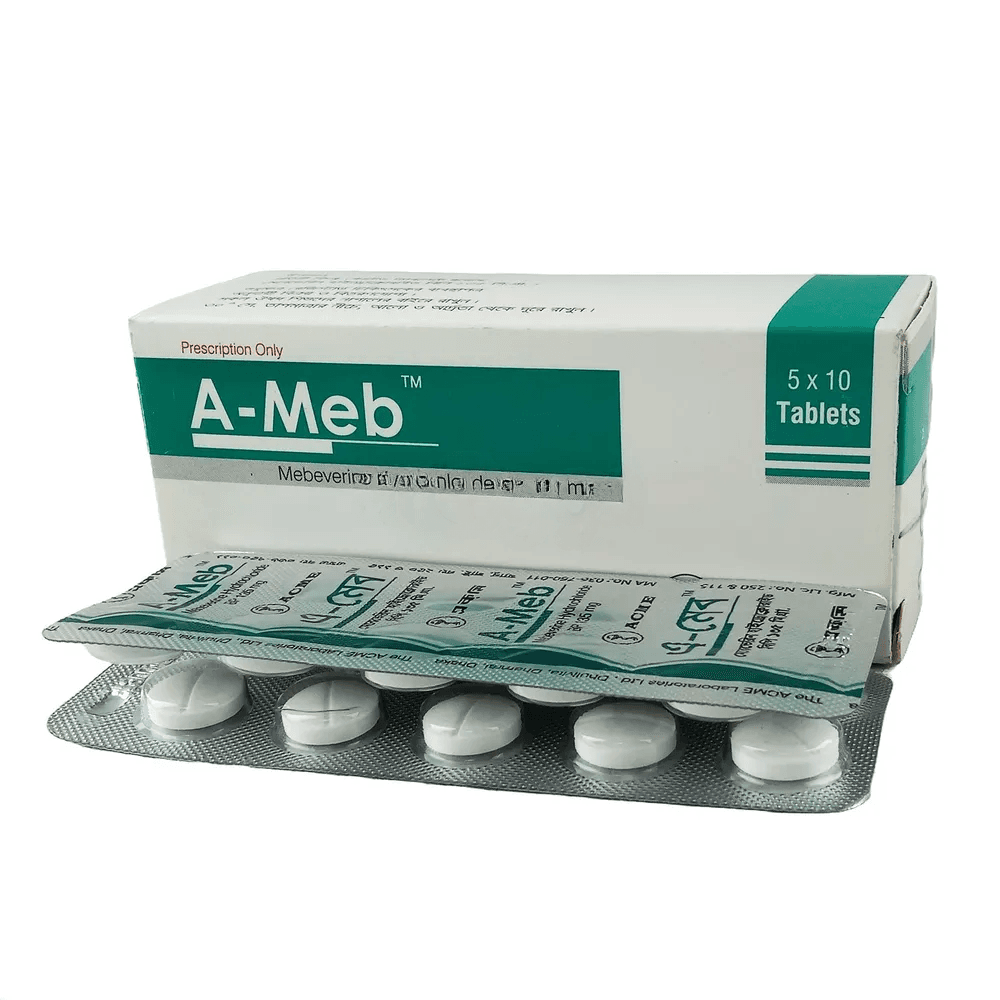
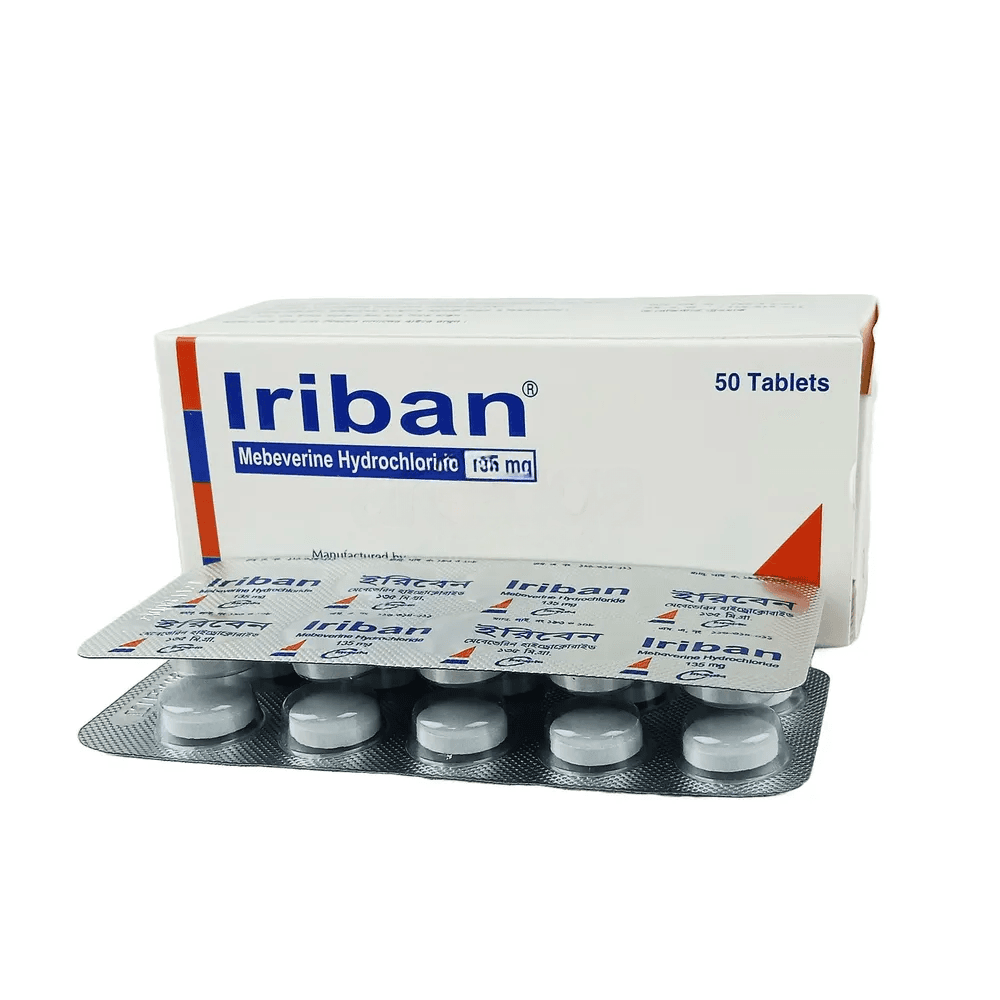
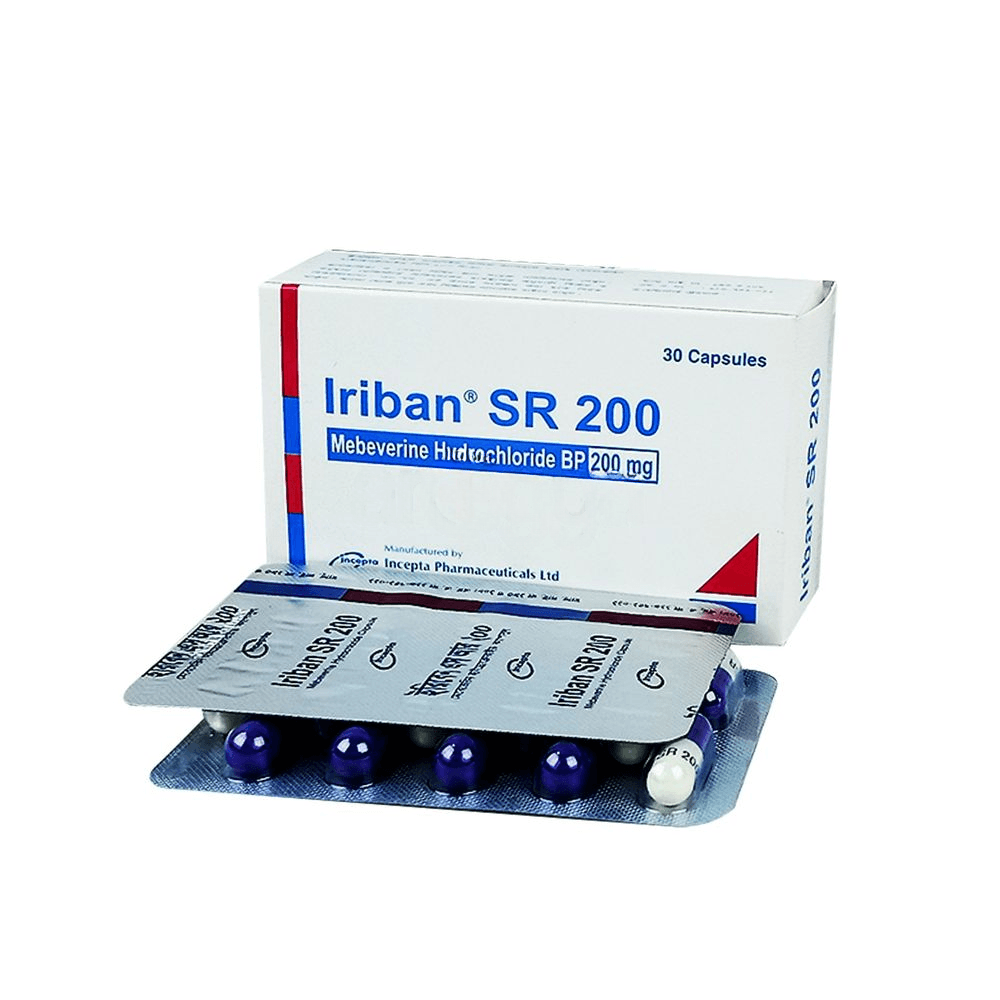
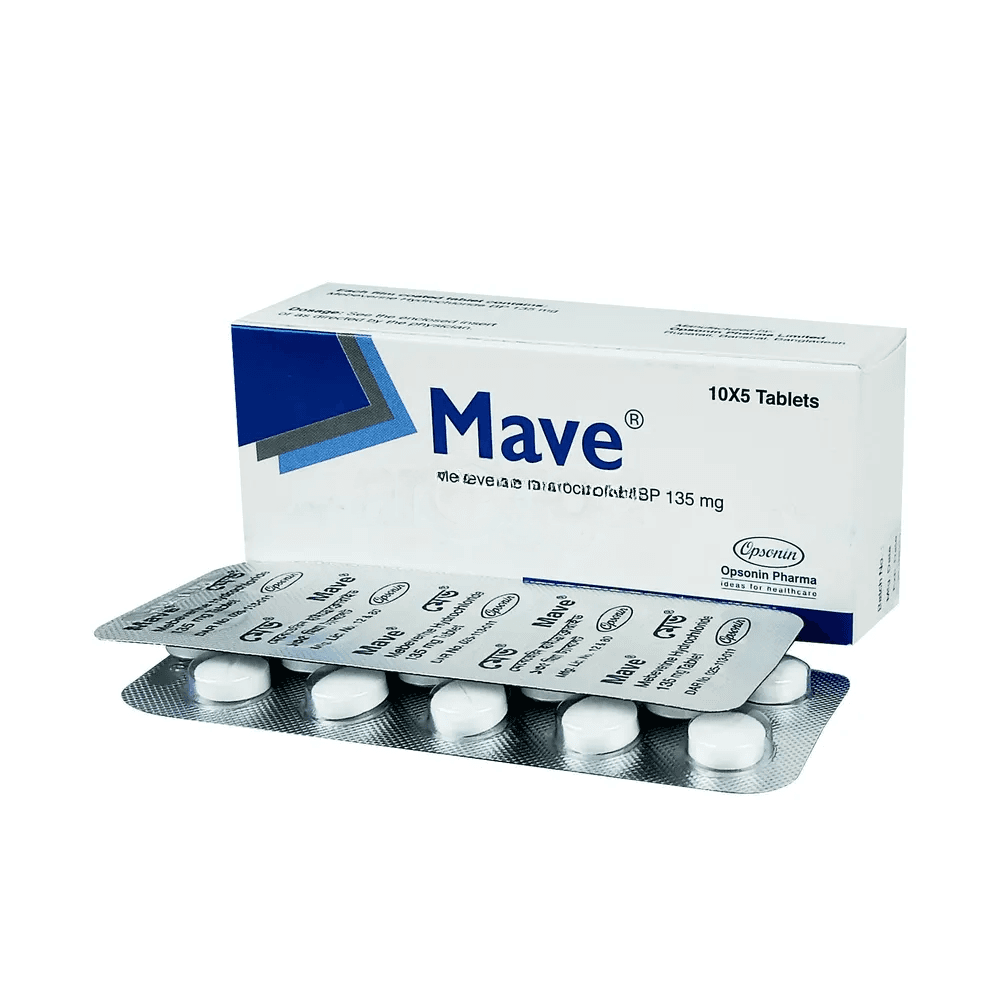
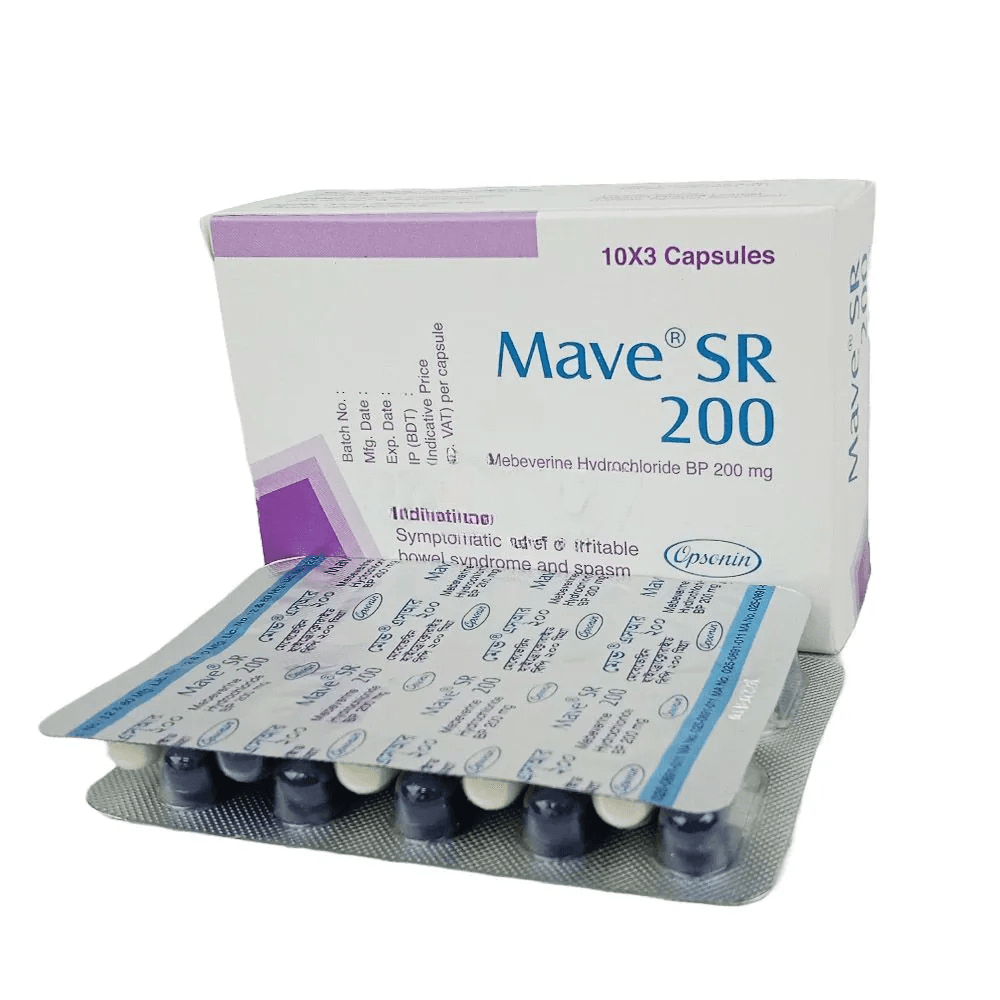
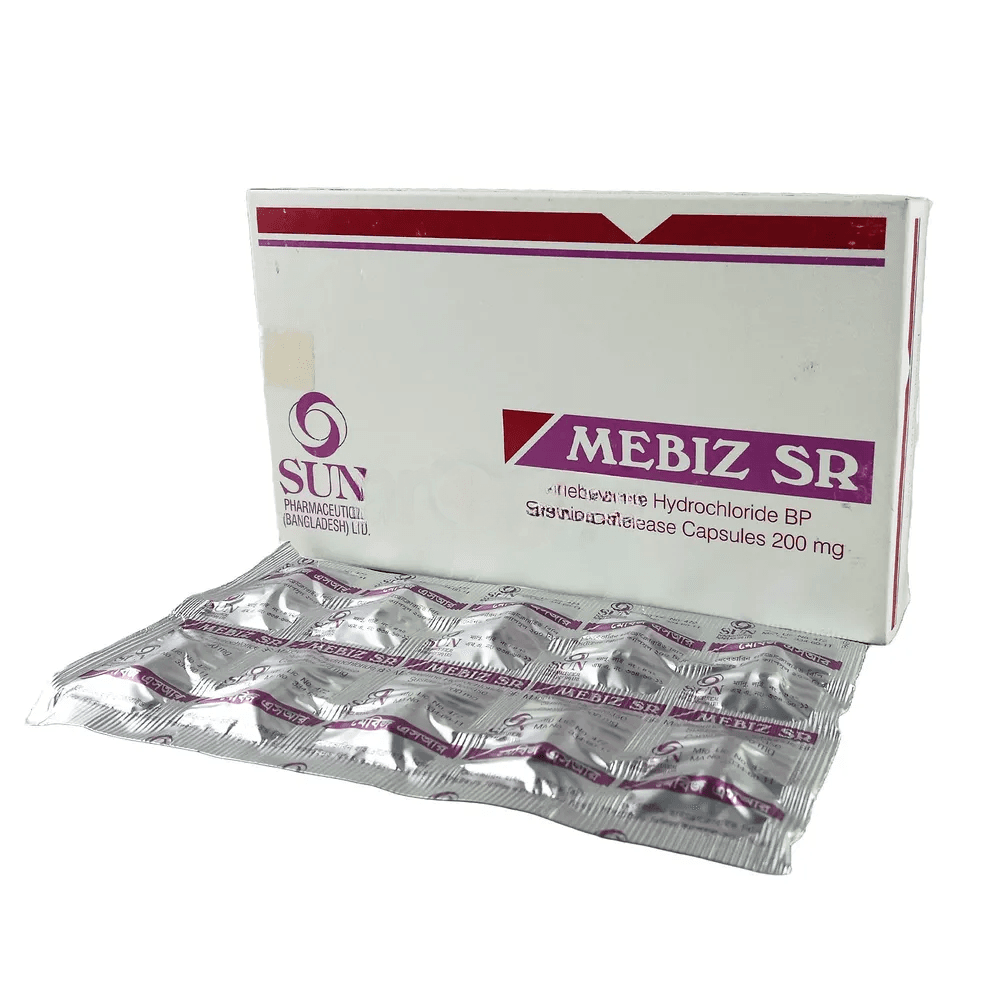
Glycopyrronium Bromide is an anticholinergic medication that blocks muscarinic receptors. It is used to reduce secretions and relax smooth muscles in the airways, helping improve breathing in certain respiratory conditions.
It is used in COPD (chronic obstructive pulmonary disease) to improve airflow and reduce breathlessness. It also helps reduce excessive secretions in certain medical and pre-anesthetic settings.