Search products by name
Search medicines by name
0
0 item
৳ ০.০০
আপনার সব স্বাস্থ্যসেবার সমাধান — এখন এক জায়গাতেই


১০৬৫৭
info@shukhee.com
টেলিকম ভবন, ৫৩/১, বক্স নগর, ঢাকা-১২১৬
৳ ০.০০
১০৬৫৭
info@shukhee.com
টেলিকম ভবন, ৫৩/১, বক্স নগর, ঢাকা-১২১৬

Products

Payment

Delivery
Impetigo
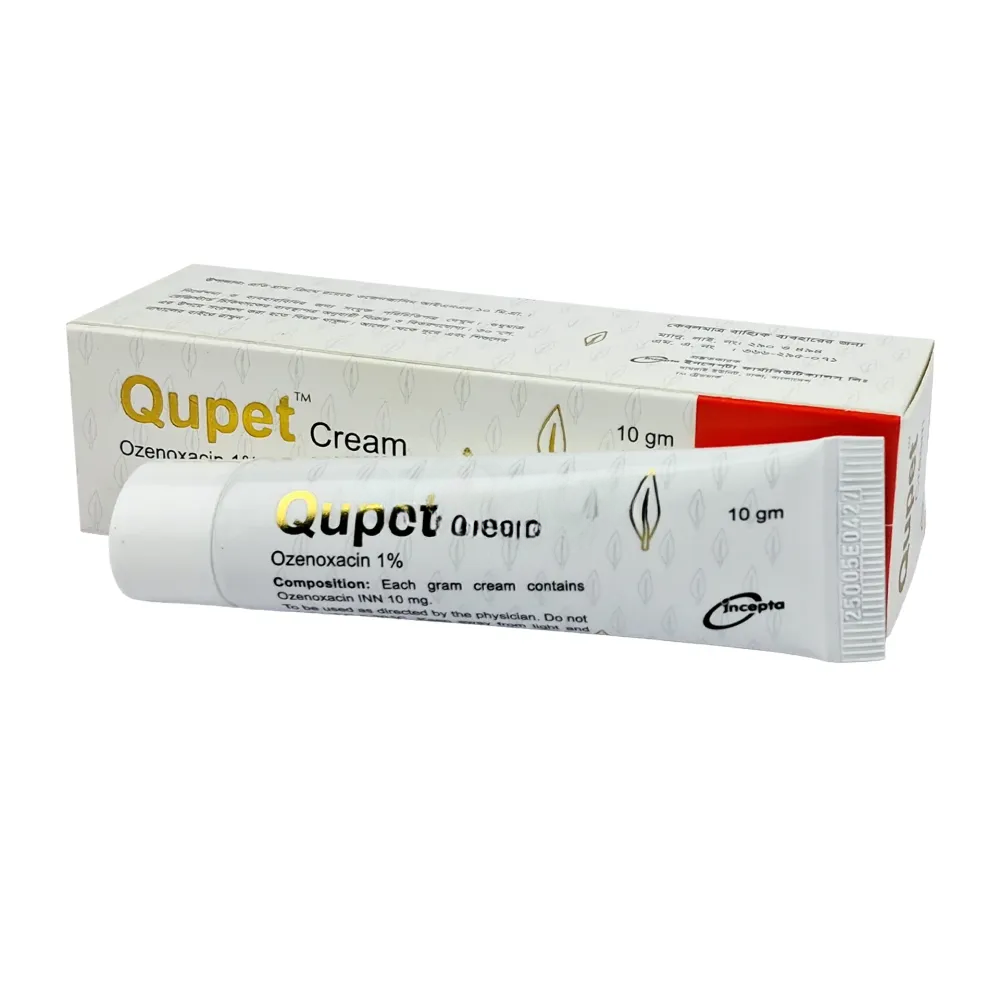
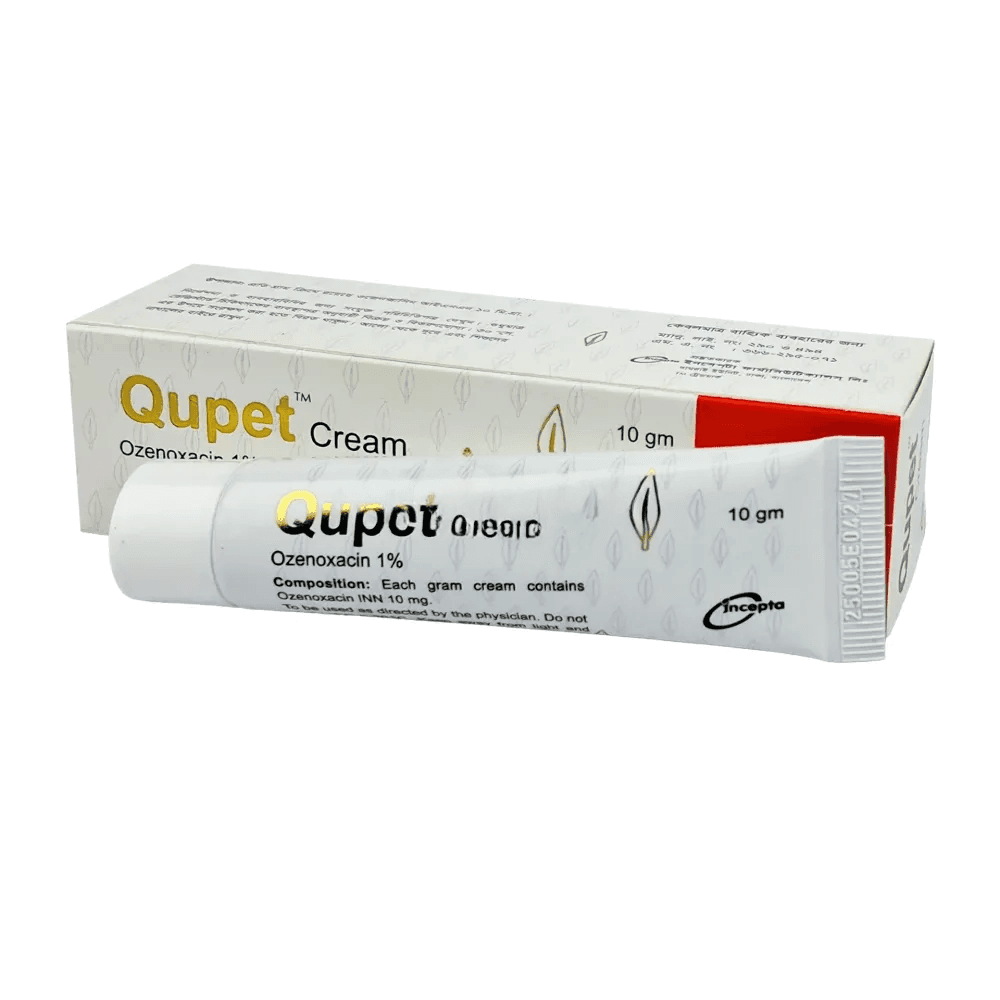
Topical use only\r\n\r\nApply a thin layer topically to affected area\r\n\r\nWash hands prior to application if the hands are not the area for treatment\r\n\r\nDo not swallow ozenoxacin or use it in the eyes, mouth, lips, inside the nose, or inside the female genital area\r\n\r\nTreated area may be covered by a sterile bandage or gauze dressing
Impetigo\r\nIndicated for impetigo due to Staphylococcus aureus (S. aureus) or Streptococcus pyogenes (S. pyogenes) in adults and children aged >2 months\r\n\r\nApply a thin layer topically to affected area q12hr for 5 days\r\n\r\nAffected area may be up to 100 cm² in adults and adolescents aged >12 years
Impetigo\r\nIndicated for impetigo due to Staphylococcus aureus (S. aureus) or Streptococcus pyogenes (S. pyogenes) in adult and children ?2 months\r\n\r\nSee also Administration\r\n\r\n<2 months: Safety and efficacy not established\r\n\r\n2 months to <12 years\r\nApply a thin layer topically to affected area q12hr for 5 days\r\nAffected area may be up to 2% of the total body surface area and not exceeding 100 cm²\r\n\r\n>12 years\r\nApply a thin layer topically to affected area q12hr for 5 days\r\nAffected area may be up to 100 cm² in adults and adolescents aged >12 years
Quinolone antimicrobial drug; it inhibits bacterial DNA replication enzymes, DNA gyrase A, and topoisomerase IV\r\n\r\nOzenoxacin has been shown to be bactericidal against S. aureus (including methicillin-resistant isolates) and S. pyogenes organisms
Prolonged use of ozenoxacin may result in overgrowth of nonsusceptible bacteria and fungi; if such infections occur, discontinue use and institute alternative therapy\r\n\r\nAntagonism interactions with ozenoxacin were observed with ciprofloxacin against S. aureus
Frequency Not Defined\r\nRosacea\r\n\r\nSeborrheic dermatitis
Pregnancy\r\nData are not available on the use of ozenoxacin in pregnant women\r\n\r\nSystemic absorption of ozenoxacin in humans is negligible following topical administration of ozenoxacin; owing to the negligible systemic exposure, it is not expected that maternal use of ozenoxacin will result in fetal exposure to the drug\r\n\r\nLactation\r\nNo data are available regarding the presence of ozenoxacin in human milk, and the effects of ozenoxacin on the breastfed infant or on milk production\r\n\r\nBreastfeeding is not expected to result in exposure of the child to ozenoxacin due to the negligible systemic absorption of ozenoxacin in humans following topical administration of ozenoxacin
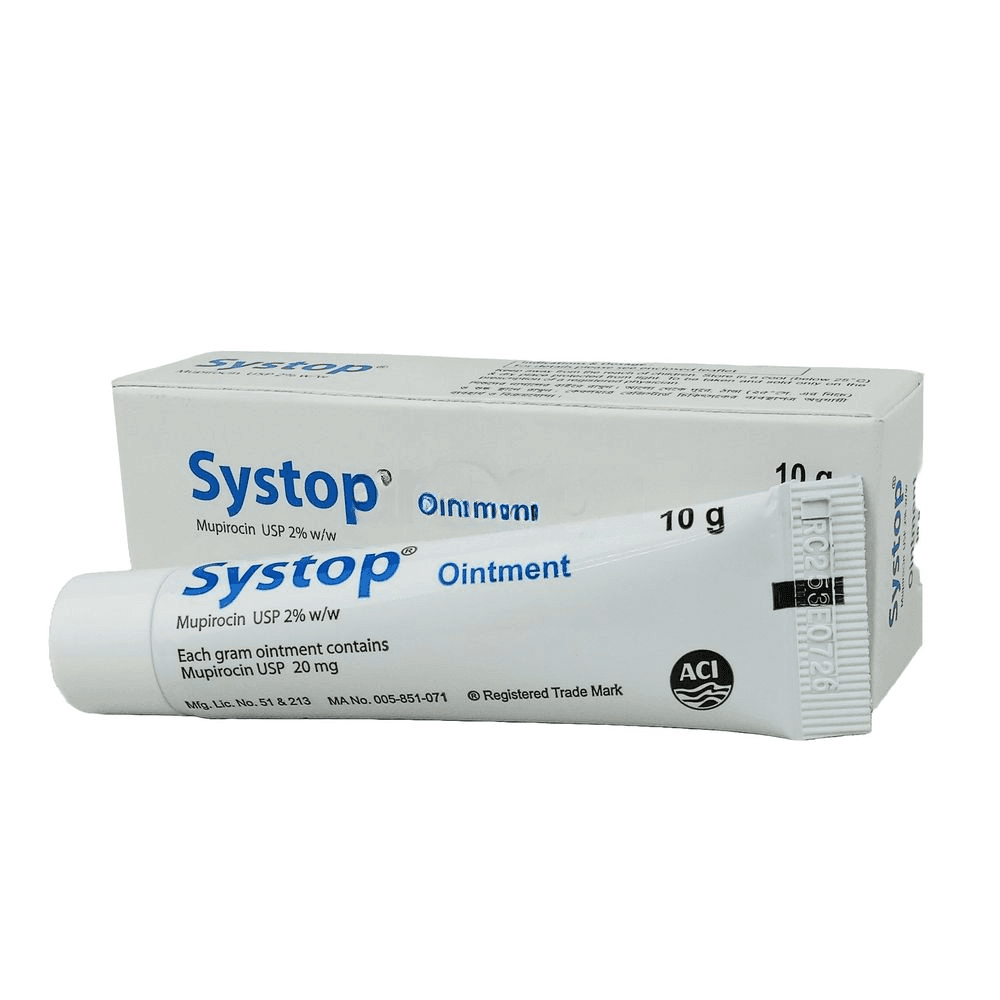
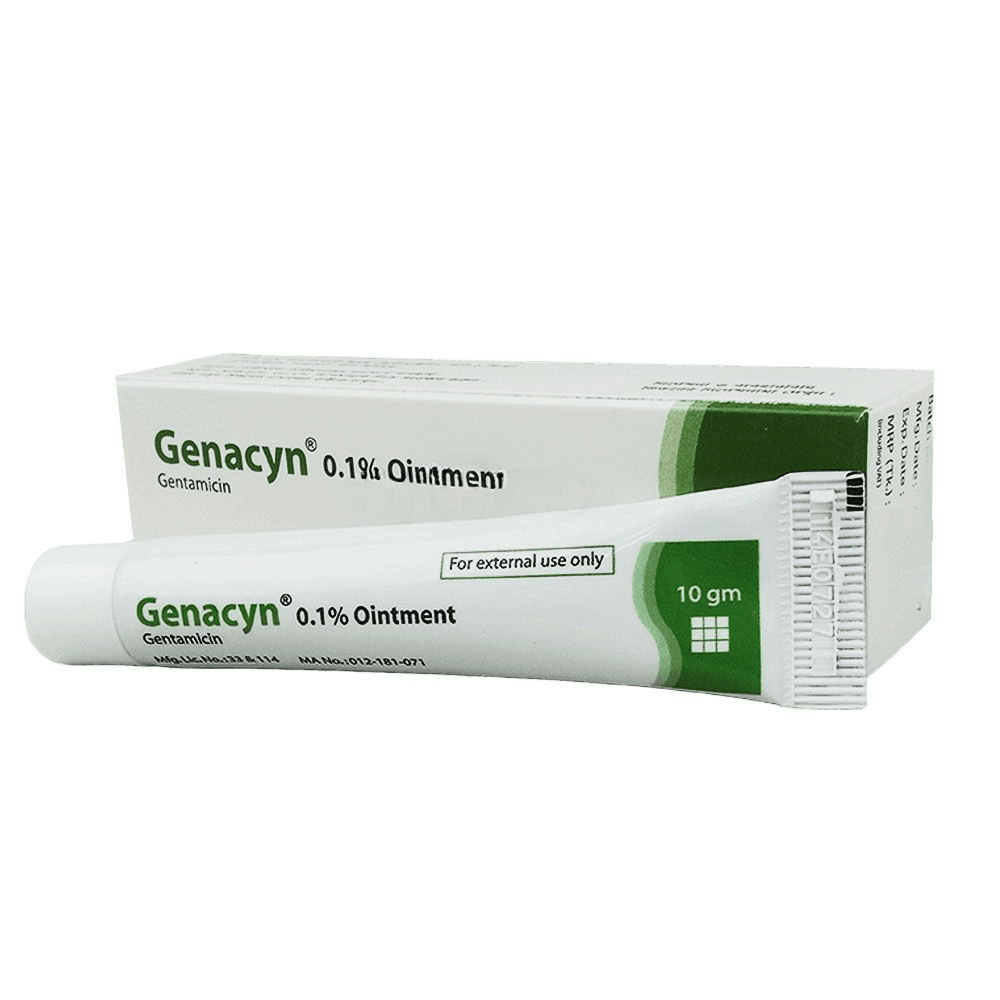
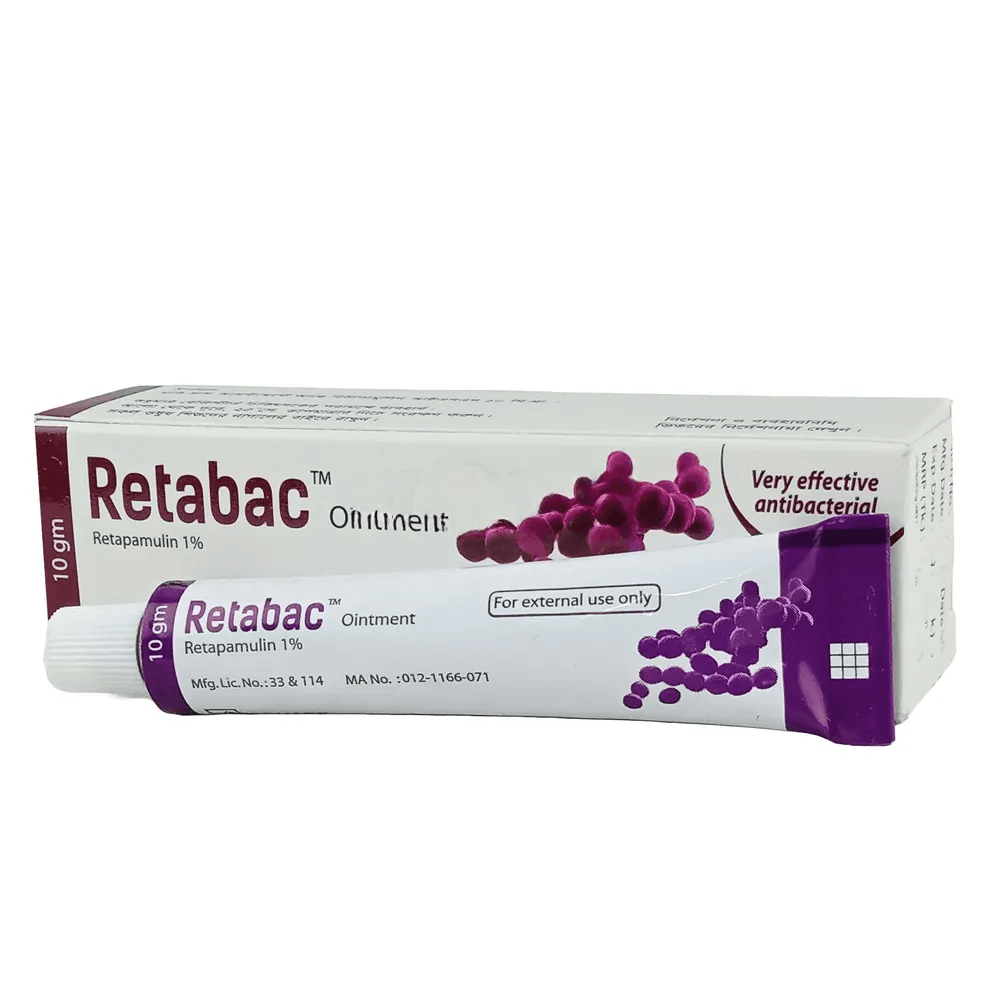

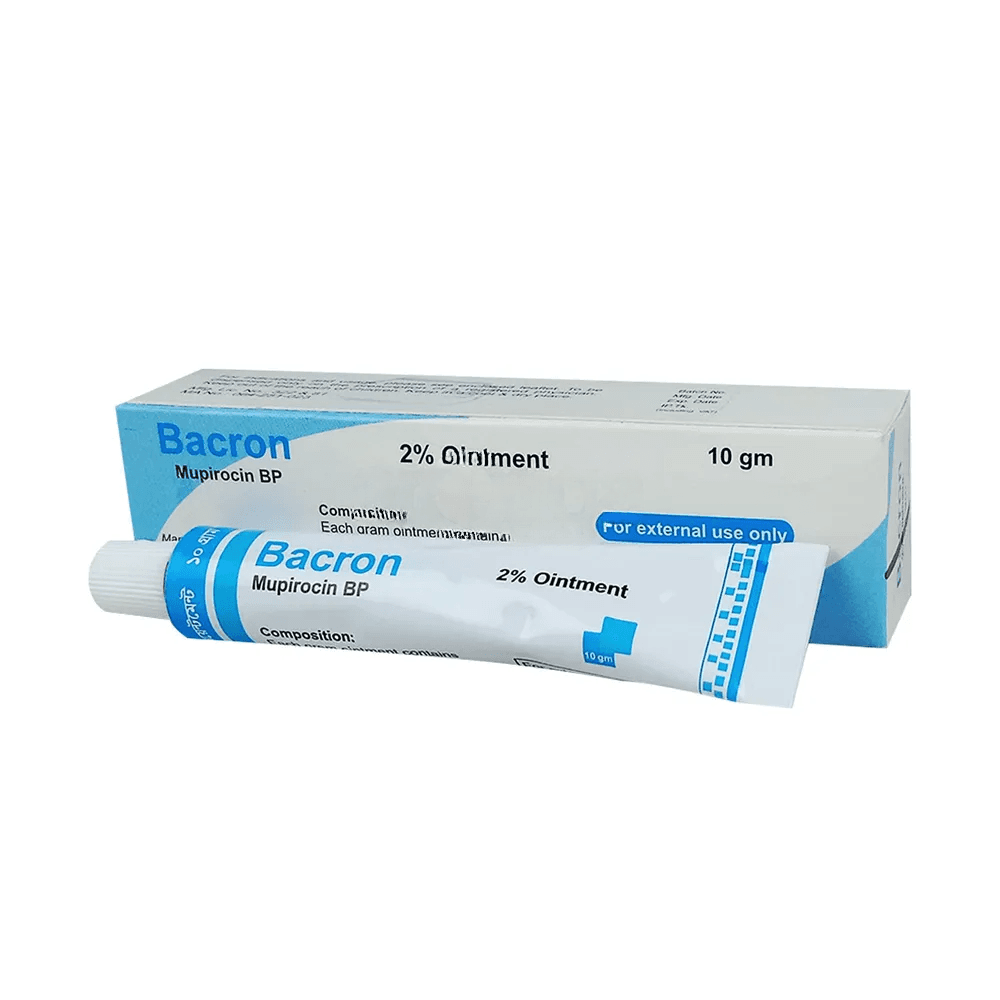
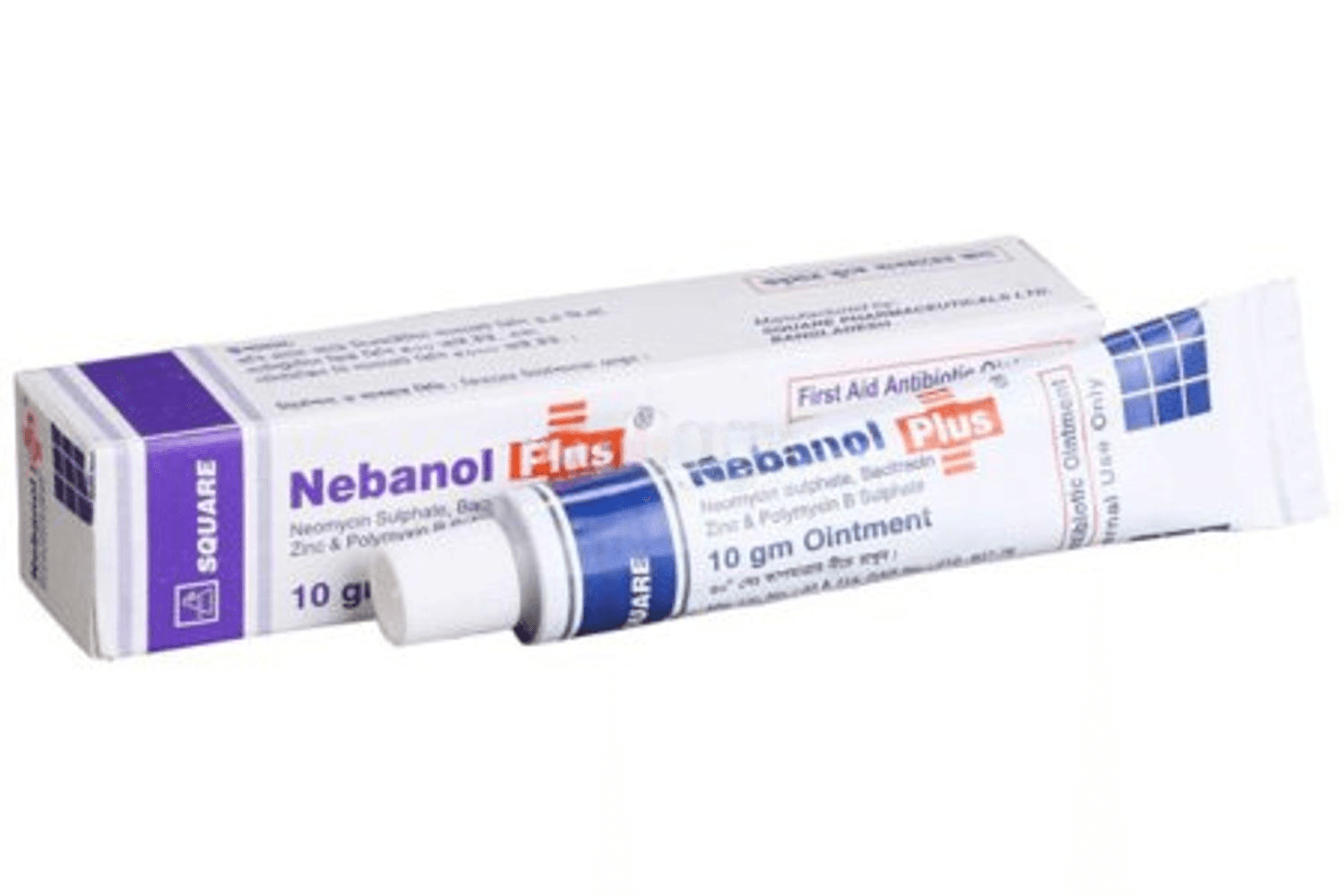
Impetigo
Topical use only\r\n\r\nApply a thin layer topically to affected area\r\n\r\nWash hands prior to application if the hands are not the area for treatment\r\n\r\nDo not swallow ozenoxacin or use it in the eyes, mouth, lips, inside the nose, or inside the female genital area\r\n\r\nTreated area may be covered by a sterile bandage or gauze dressing
Impetigo\r\nIndicated for impetigo due to Staphylococcus aureus (S. aureus) or Streptococcus pyogenes (S. pyogenes) in adults and children aged >2 months\r\n\r\nApply a thin layer topically to affected area q12hr for 5 days\r\n\r\nAffected area may be up to 100 cm² in adults and adolescents aged >12 years
Impetigo\r\nIndicated for impetigo due to Staphylococcus aureus (S. aureus) or Streptococcus pyogenes (S. pyogenes) in adult and children ?2 months\r\n\r\nSee also Administration\r\n\r\n<2 months: Safety and efficacy not established\r\n\r\n2 months to <12 years\r\nApply a thin layer topically to affected area q12hr for 5 days\r\nAffected area may be up to 2% of the total body surface area and not exceeding 100 cm²\r\n\r\n>12 years\r\nApply a thin layer topically to affected area q12hr for 5 days\r\nAffected area may be up to 100 cm² in adults and adolescents aged >12 years
Quinolone antimicrobial drug; it inhibits bacterial DNA replication enzymes, DNA gyrase A, and topoisomerase IV\r\n\r\nOzenoxacin has been shown to be bactericidal against S. aureus (including methicillin-resistant isolates) and S. pyogenes organisms
Prolonged use of ozenoxacin may result in overgrowth of nonsusceptible bacteria and fungi; if such infections occur, discontinue use and institute alternative therapy\r\n\r\nAntagonism interactions with ozenoxacin were observed with ciprofloxacin against S. aureus
Frequency Not Defined\r\nRosacea\r\n\r\nSeborrheic dermatitis
Pregnancy\r\nData are not available on the use of ozenoxacin in pregnant women\r\n\r\nSystemic absorption of ozenoxacin in humans is negligible following topical administration of ozenoxacin; owing to the negligible systemic exposure, it is not expected that maternal use of ozenoxacin will result in fetal exposure to the drug\r\n\r\nLactation\r\nNo data are available regarding the presence of ozenoxacin in human milk, and the effects of ozenoxacin on the breastfed infant or on milk production\r\n\r\nBreastfeeding is not expected to result in exposure of the child to ozenoxacin due to the negligible systemic absorption of ozenoxacin in humans following topical administration of ozenoxacin
N/A