Search products by name
Search medicines by name
0
0 item
৳ ০.০০
আপনার সব স্বাস্থ্যসেবার সমাধান — এখন এক জায়গাতেই


১০৬৫৭
info@shukhee.com
টেলিকম ভবন, ৫৩/১, বক্স নগর, ঢাকা-১২১৬
৳ ০.০০
১০৬৫৭
info@shukhee.com
টেলিকম ভবন, ৫৩/১, বক্স নগর, ঢাকা-১২১৬


Quantity:

Products

Payment

Delivery
Treatment of all patients with Type 1 Diabetes
Treatment of Type 2 Diabetes patients not adequately controlled by diet and/or oral hypoglycemic agents
Initial stabilization of diabetes in patients with diabetic ketoacidosis, hyperosmolar non‑ketotic syndrome, or during stress (infection, surgery)
Treatment of gestational diabetes
| Strength | Contents per ml | Ratio |
|---|---|---|
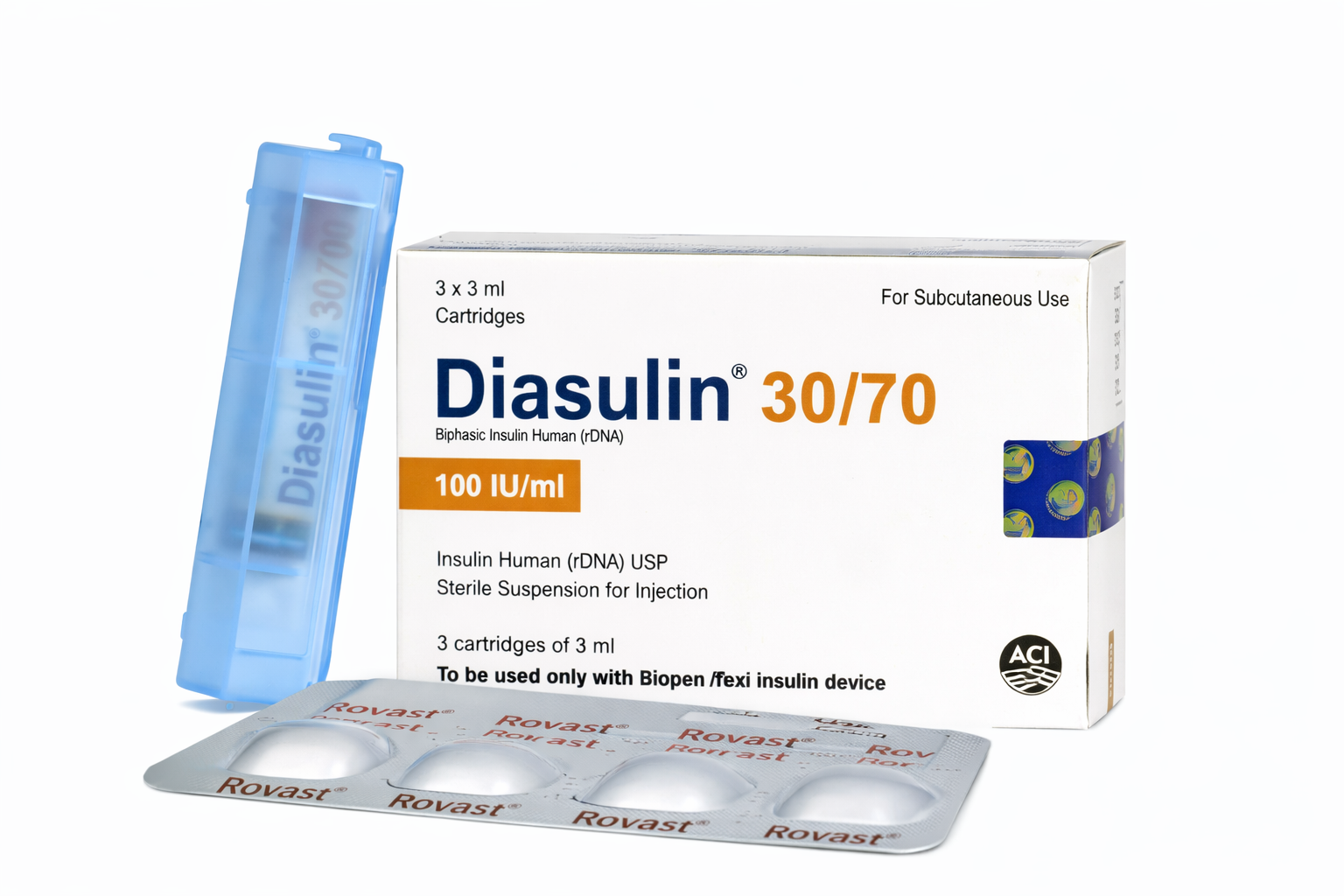
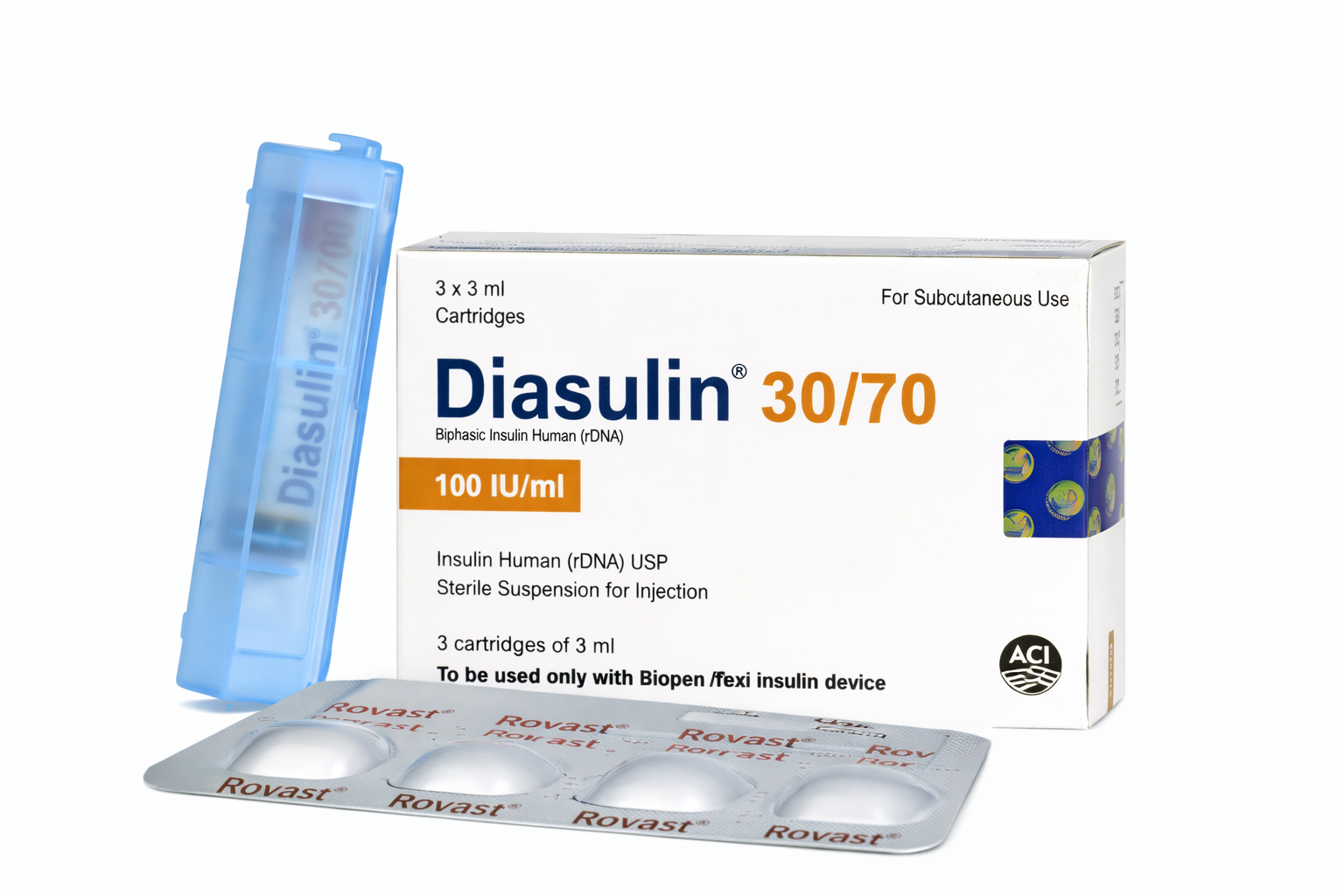
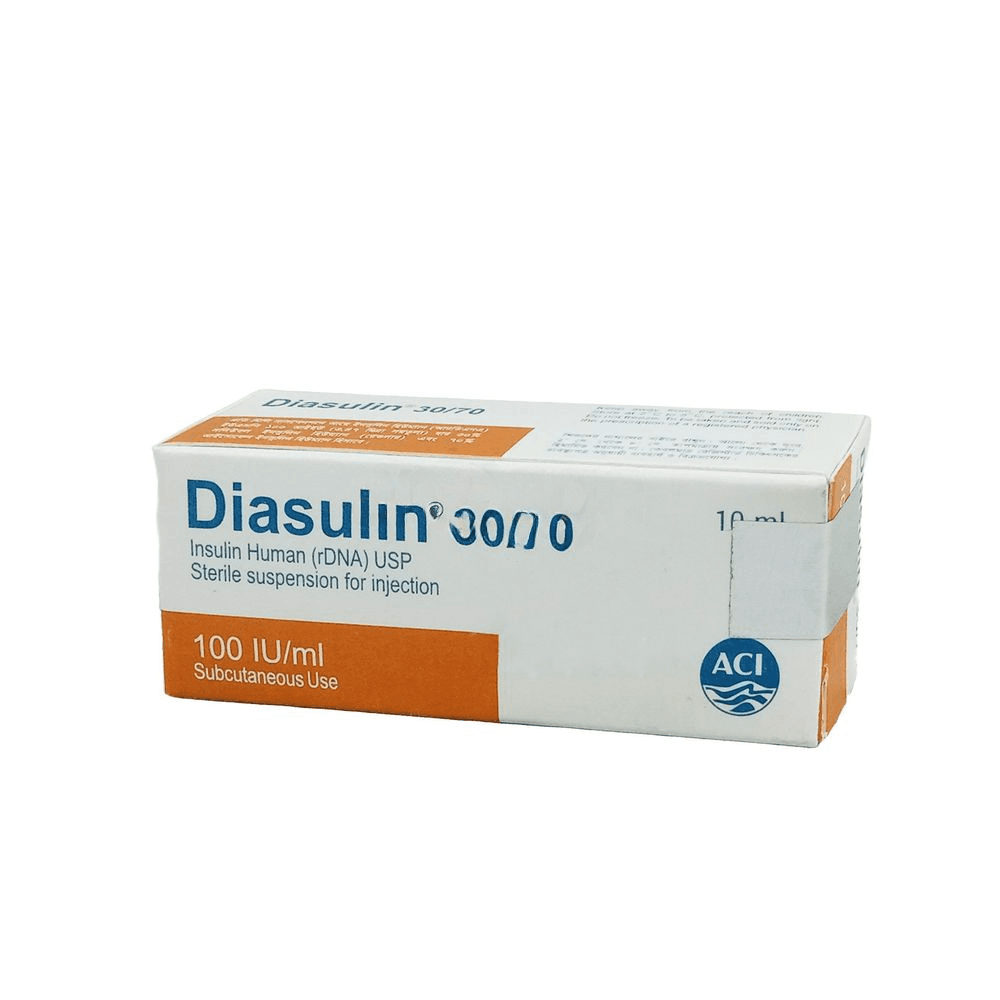
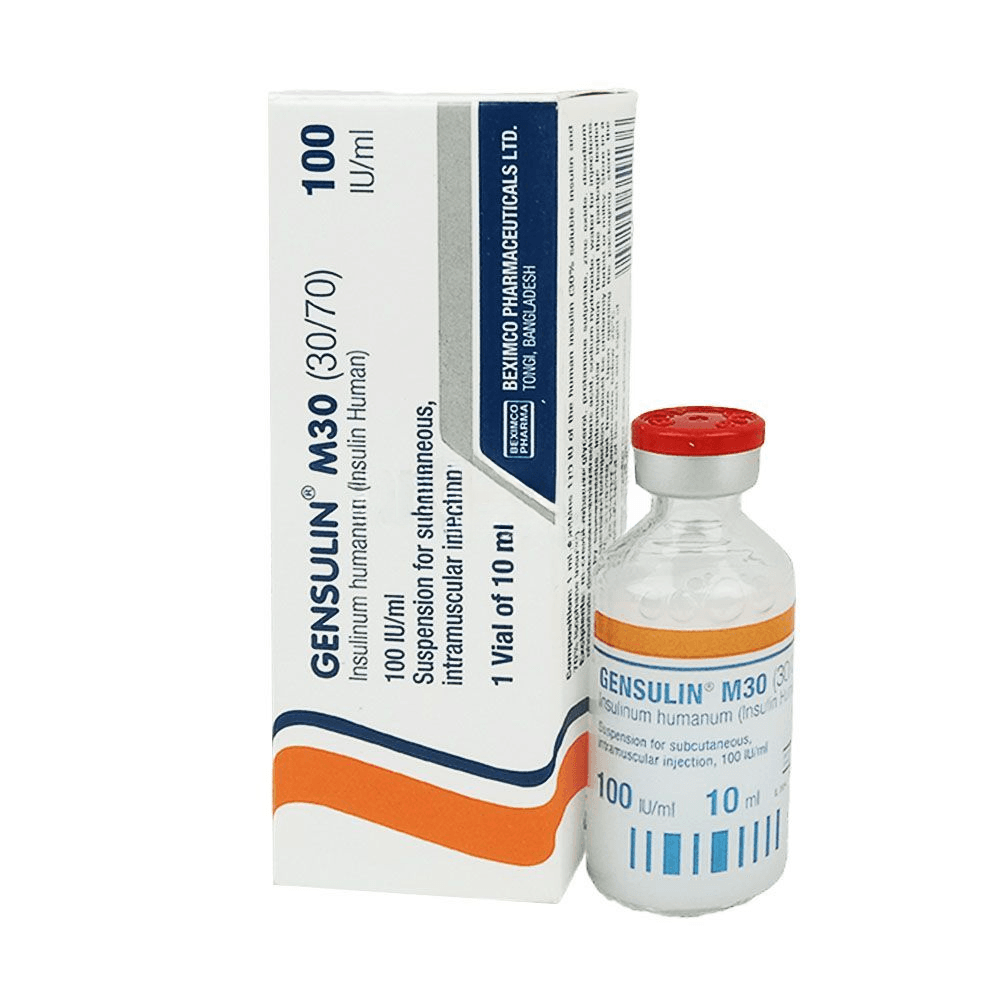
| 30/70 | Insulin Human (rDNA) USP 100 IU (equivalent to 3.47 mg) — 30% Regular Insulin Human + 70% Isophane Insulin Human | 30 : 70 |
| 50/50 | Insulin Human (rDNA) USP 100 IU (equivalent to 3.47 mg) — 50% Regular Insulin Human + 50% Isophane Insulin Human | 50 : 50 |
Insulin lowers blood glucose by promoting cellular uptake of glucose and inhibiting hepatic glucose output.
Onset of action: within 30 minutes
Peak plasma level: 1 – 3 hours
Duration of action: approximately 10 – 24 hours
Individualized by the physician according to patient needs.
Type 1 Diabetes: 0.5 – 1.0 IU/kg/day (maintenance therapy)
Type 2 Diabetes: usually lower, e.g. 0.3 – 0.6 IU/kg/day Injection should be followed within 30 minutes by a meal containing carbohydrates.
Administer subcutaneously in the abdominal wall, thigh, gluteal region, or deltoid. Rotate injection sites within the same region to avoid lipodystrophy. Avoid use if the cartridge is damaged, frozen, or not uniformly white and cloudy after mixing. Before use, roll the cartridge gently until the suspension appears uniformly white and cloudy.
May reduce insulin requirement: oral hypoglycemics, MAO inhibitors, ACE inhibitors, salicylates, alcohol
May increase insulin requirement: thiazides, corticosteroids, thyroid hormones, β‑sympathomimetics, growth hormone
β‑blockers may mask hypoglycemia symptoms
Hypoglycemia
Hypersensitivity to human insulin or any excipient
Hypoglycemia — most common
Lipodystrophy at injection site
Allergic reactions: rash, itching, swelling, or rarely generalized hypersensitivity
Edema may occur transiently at therapy initiation
Insulin does not cross the placenta. It is safe during pregnancy and lactation. Insulin requirements may vary: lower in the first trimester, higher in the second and third, and return to baseline postpartum.
Inadequate dosing or discontinuation may lead to hyperglycemia or diabetic ketoacidosis. Dose adjustment may be required during illness, stress, or changes in diet or activity. Switching insulin type or brand should be done under medical supervision. Avoid use if clumps or solid particles are visible after mixing.
Mild hypoglycemia: treat with oral glucose or sugar
Severe hypoglycemia: treat with Glucagon 0.5–1 mg IM/SC or IV glucose by a healthcare professional After recovery, administer oral carbohydrates to prevent recurrence
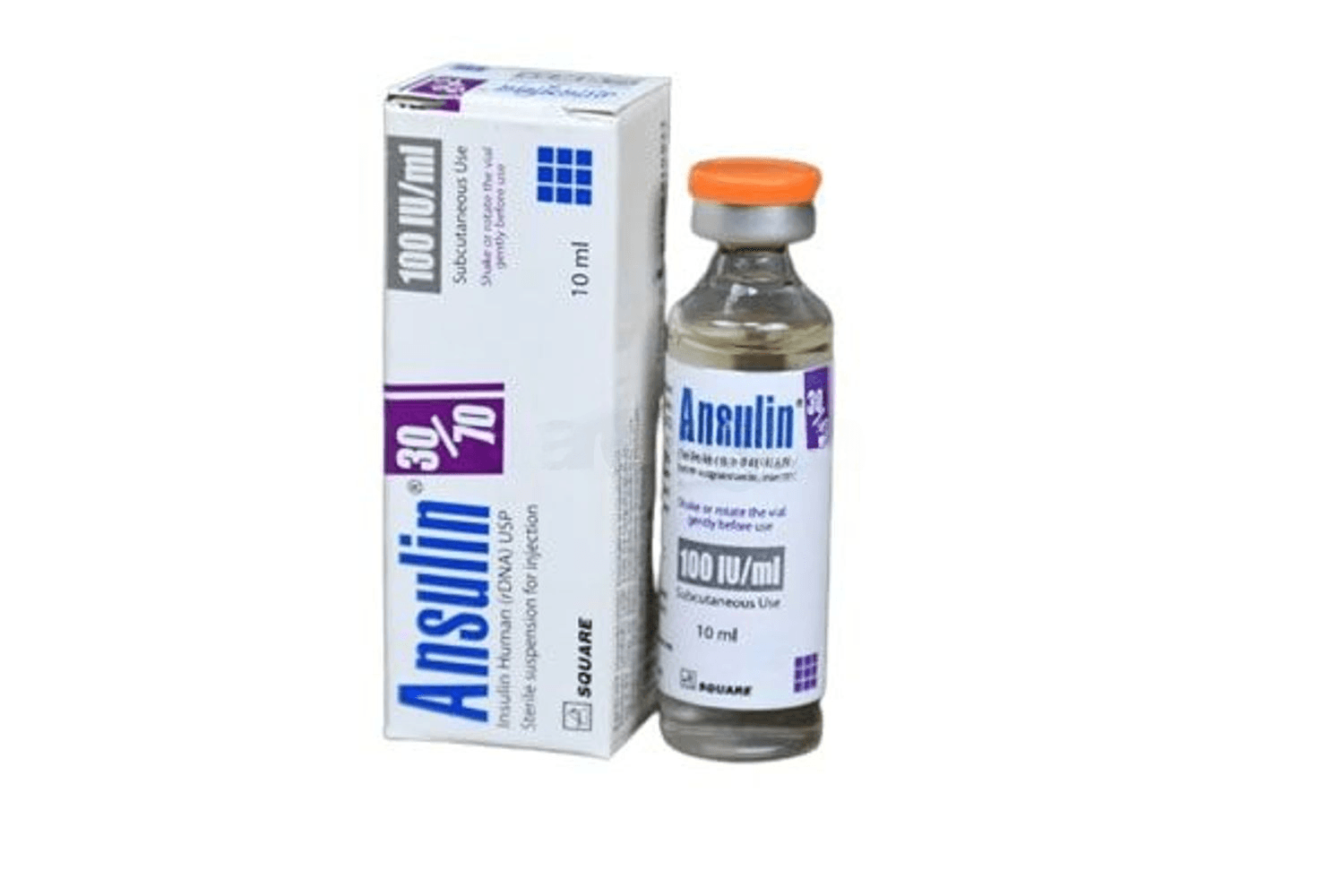
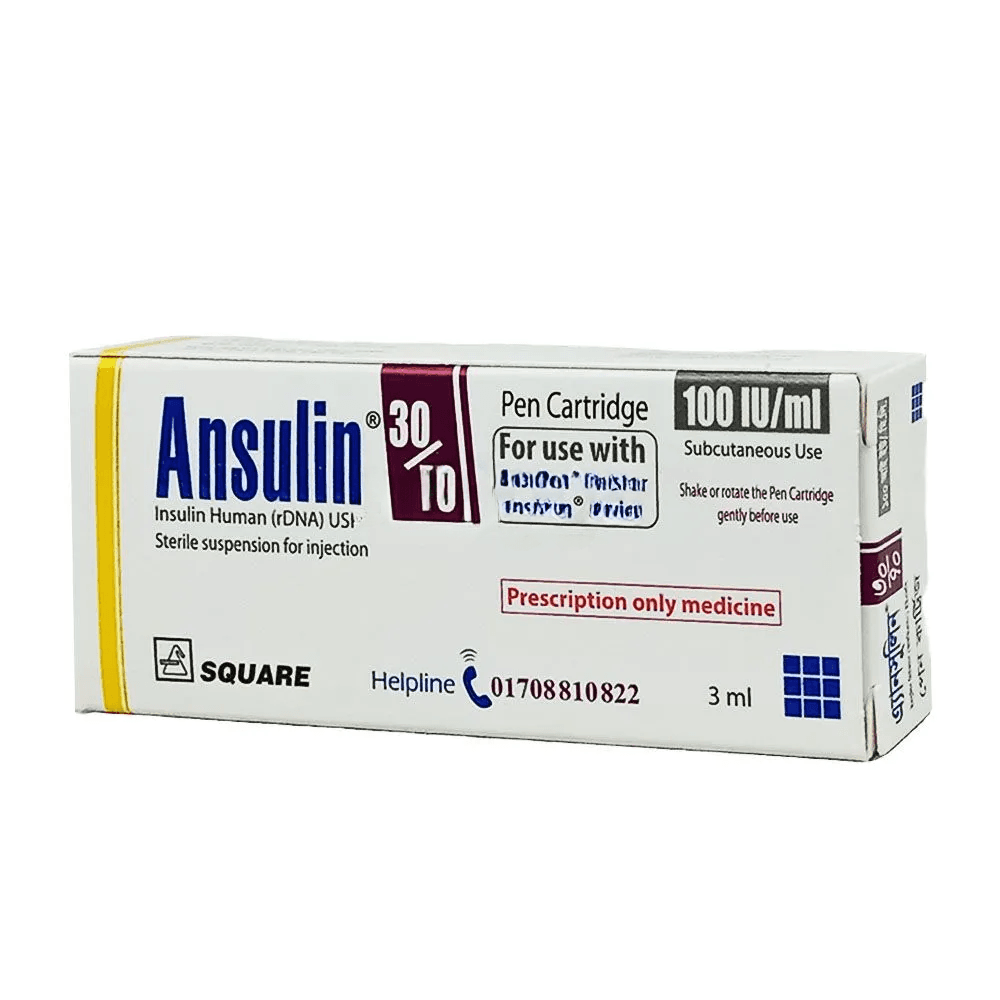
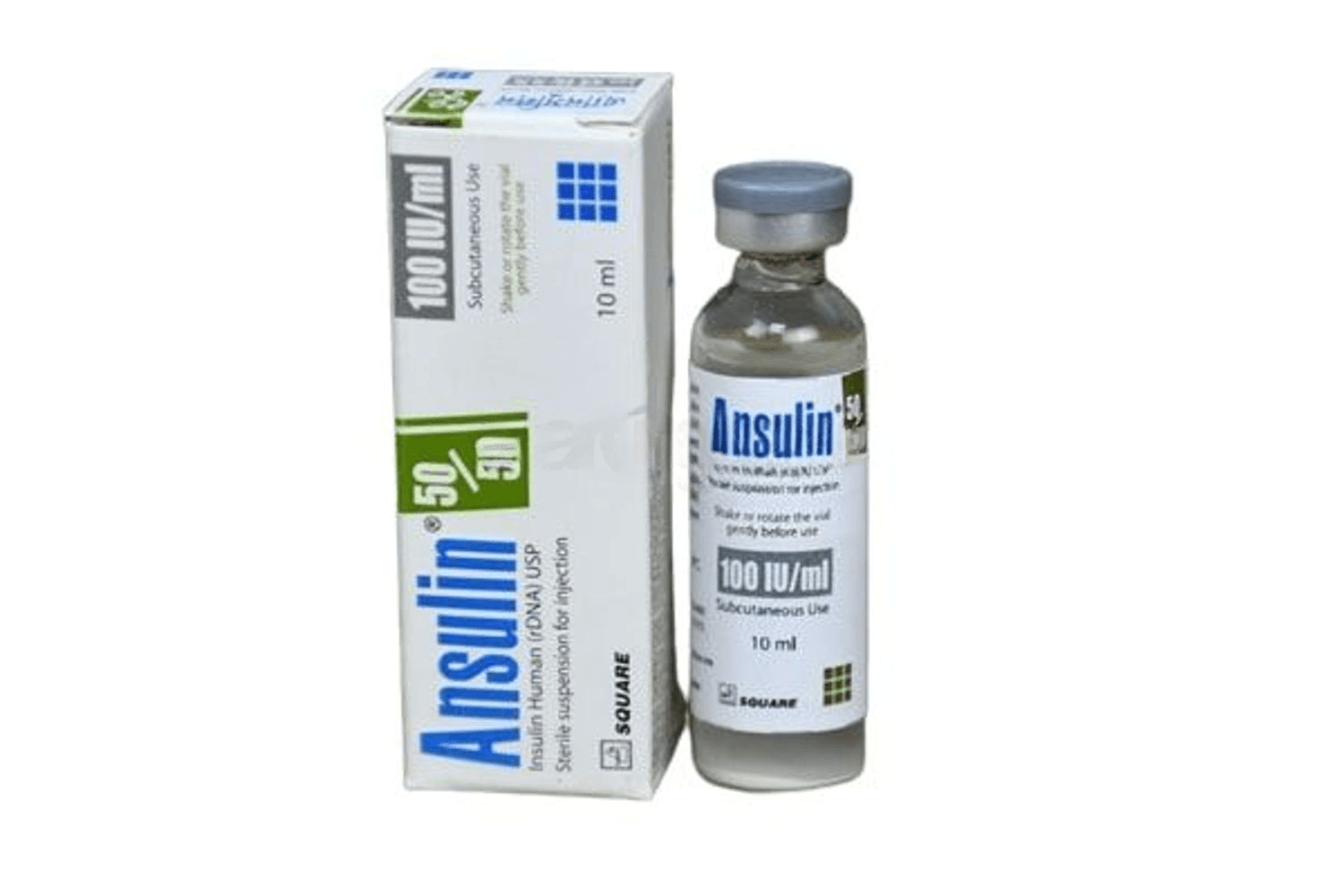
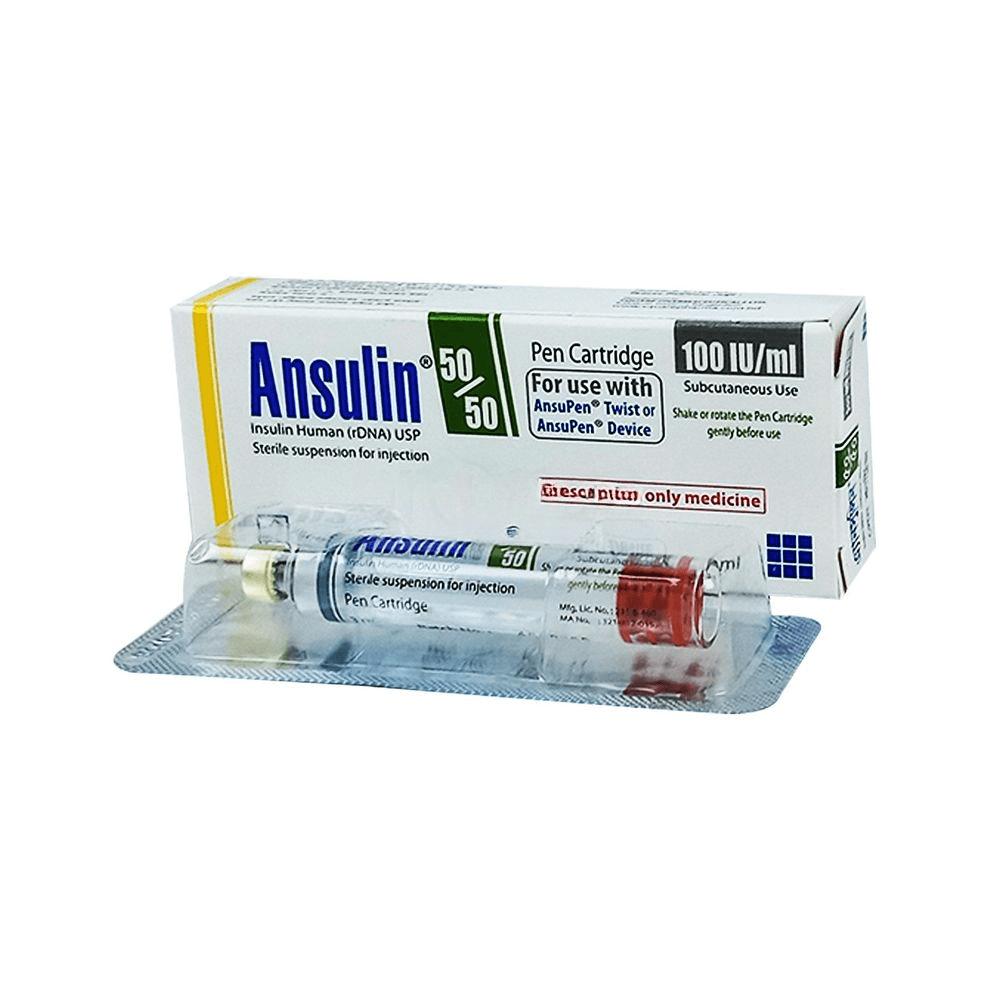
Diabetes mellitus
Administer within 15 min before a meal or immediately after a meal. Administer subcutaneously in the upper arm, thigh or abdominal wall. A subcutaneous injection into the abdominal wall results in a faster absorption than from other injection sites.
$4e
Subcutaneous\r\nType 1 Diabetes Mellitus\r\nSuggested guidelines for beginning dose\r\nKetones moderate or less: 0.5 U/kg/day SC\r\nKetones large: 0.7 U/kg/day SC
Renal impairment: Dose adjustments may be needed.
Hypoglycaemia.Hypersensitivity to any of the components.
$4f
Pregnancy (insulin requirements tend to fall during the 1st trimester, increase during the 2nd and 3rd) and lactation. Caution with decreased insulin requirements: Diarrhea, nausea/vomiting, malabsorption, hypothyroidism, renal impairment, hepatic impairment\r\nHypokalemia may occur\r\nNot for IV or IM administration\r\nUse with caution in renal and hepatic impairment (dosage requirements may be reduced)\r\nCaution with increased insulin requirements: Fever, hyperthyroidism, trauma, infection, surgery\r\n\r\nLactation: Safe to use while breastfeeding
Allergic reactions. Injection site reaction, lipodystrophy, pruritus, rash, lipoatrophy, hypokalaemia, blurred vision. Hypoglycaemia, insulin resistance.\r\nHeadache,Influenza-like symptoms,Dyspepsia,Diarrhea,Back pain,Pharyngitis,
Oral hypoglycemic agents, MAOIs, nonselective beta-blocker, ACE inhibitors, salicylates, alcohol, anabolic steroids & sulphonamides may reduce insulin requirement. OCs, thiazides, glucocorticoids, thyroid hormones, sympathomimetics & danazol may increase insulin requirements. \r\n\r\nOctreotide/lanreotide may both decrease & increase insulin requirement. beta-blockers may mask symptoms of hypoglycemia. Alcohol may intensify or reduce hypoglycemic effect of insulin.
N/A